

Vitamin D deficiency is becoming increasingly common in Bangalore, even among people who assume they get enough sunlight. Many individuals visit hospitals with complaints like fatigue, body pain, or low immunity, only to discover that their Vitamin D levels are significantly low. This trend is not limited to a specific age group—it affects working professionals, homemakers, and even young adults.
The surprising part is that Bangalore is not a city lacking sunlight. Yet, modern lifestyle patterns have quietly reduced our natural exposure to it. As a result, Vitamin D deficiency has turned into a silent urban health issue.
Vitamin D plays a crucial role in maintaining overall health. It helps the body absorb calcium, which is essential for strong bones and teeth. It also supports muscle strength, boosts immunity, and contributes to mental well-being.
When Vitamin D levels drop, the body does not show immediate warning signs. Over time, however, it can lead to bone weakness, frequent illnesses, and even long-term complications like osteoporosis.
One of the main reasons is the shift toward an indoor lifestyle. Most people in Bangalore spend long hours working in offices, tech parks, or from home. Even when they step out, it is often early in the morning or late in the evening—times when sunlight is not strong enough for Vitamin D synthesis.
Urban factors also play a role. Pollution levels can reduce the penetration of UVB rays, which are necessary for Vitamin D production. Additionally, the frequent use of sunscreen, while beneficial for skin protection, can limit the body's ability to produce Vitamin D if used excessively.
Diet is another contributing factor. Many people do not consume enough Vitamin D-rich foods such as eggs, fish, or fortified dairy products. Combined with reduced outdoor activity and increased screen time, these habits create the perfect conditions for deficiency.
Understanding the difference between normal and low Vitamin D levels helps in early detection and prevention.
| Factor | Healthy Vitamin D Levels | Vitamin D Deficiency |
|---|---|---|
| Energy Levels | Active and energetic | Constant fatigue |
| Bone Health | Strong bones | Bone pain and weakness |
| Immunity | Fewer infections | Frequent illness |
| Muscle Strength | Stable and strong | Weakness or cramps |
| Mood | Stable | Irritability and low mood |
Vitamin D deficiency often develops gradually. Many people ignore early symptoms, assuming they are due to stress or workload. However, signs like persistent tiredness, joint pain, muscle weakness, and frequent infections should not be overlooked.
In some cases, people may also experience mood changes, including mild depression or irritability. These symptoms indicate that the body is not functioning at its optimal level.
Certain groups are more vulnerable to Vitamin D deficiency. People who work indoors for long hours or avoid sunlight are at higher risk. Individuals with darker skin tones require more sunlight exposure to produce the same amount of Vitamin D.
Elderly individuals, people with obesity, and those with chronic conditions like diabetes or thyroid disorders are also more likely to develop deficiency. This is why regular health checkups become important.
Preventing Vitamin D deficiency does not require drastic changes. Small lifestyle adjustments can make a big difference.
Spending 15–30 minutes in morning sunlight, especially before 11 AM, can significantly improve Vitamin D levels. Including foods like eggs, fish, fortified milk, and mushrooms in your diet also helps.
Regular physical activity, especially outdoor exercise, improves both Vitamin D absorption and overall health. In some cases, doctors may recommend supplements after evaluating your blood test results.
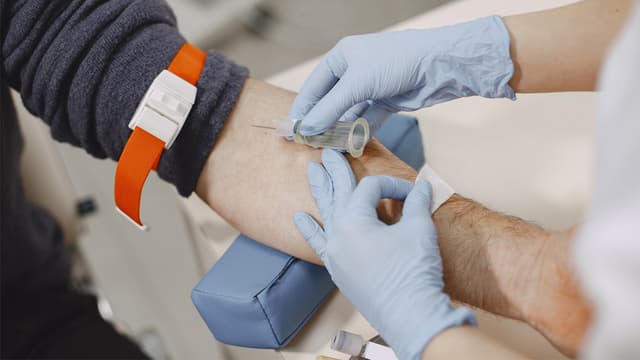
If you experience ongoing fatigue, bone discomfort, or repeated infections, it is important to get your Vitamin D levels checked. Early diagnosis can prevent long-term complications and help you recover faster.
At this stage, it is also useful to evaluate your overall health. Conditions like thyroid imbalance or diabetes can sometimes be linked to low Vitamin D levels.
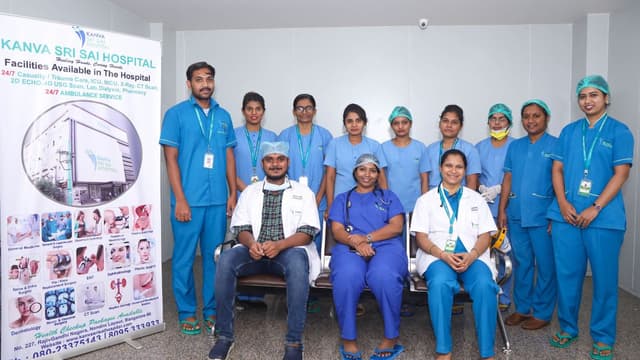
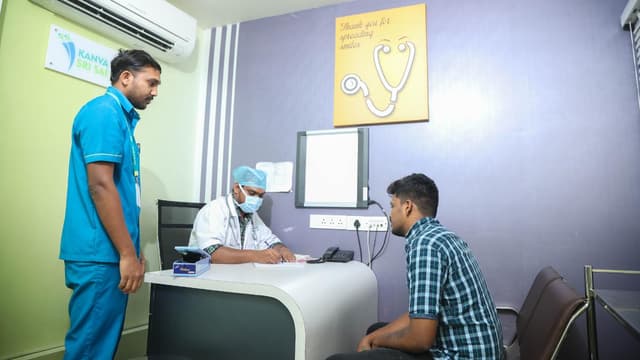
At Kanva Sri Sai Hospital, we provide comprehensive diagnostic and treatment support for Vitamin D deficiency and related conditions. Our advanced laboratory services ensure accurate testing, while our experienced doctors offer personalized care.
You can also explore our related services:
Vitamin D deficiency in Bangalore is not just a seasonal issue—it is a result of changing lifestyles. The combination of indoor work culture, limited sun exposure, and dietary gaps has made it a common urban health concern.
The good news is that it is both preventable and treatable. With timely diagnosis, better lifestyle choices, and proper medical guidance, you can maintain healthy Vitamin D levels and improve your overall well-being.
Vitamin D deficiency is rising in Bangalore mainly due to indoor lifestyles, long working hours, limited sun exposure, and increased screen time. Urban factors like pollution and dietary habits also contribute to reduced Vitamin D levels.
Most people need around 15–30 minutes of direct sunlight daily, preferably before 11 AM, to maintain healthy Vitamin D levels. The exact duration may vary based on skin type and lifestyle.
Early symptoms include fatigue, body pain, muscle weakness, frequent infections, and low mood. These signs are often ignored but can worsen over time if not addressed.
Foods that help improve Vitamin D levels include:
However, diet alone may not be sufficient in many cases.
Yes. If left untreated, it can lead to bone weakness, osteoporosis, fractures, and reduced immunity. It may also impact mental health and overall energy levels.
People at higher risk include:
You should consider testing if you experience persistent fatigue, bone pain, or frequent illness. Regular health checkups can also help detect deficiency early.
You can get accurate Vitamin D testing and expert consultation at Kanva Sri Sai Hospital, where advanced diagnostic facilities and experienced doctors ensure proper evaluation and treatment.