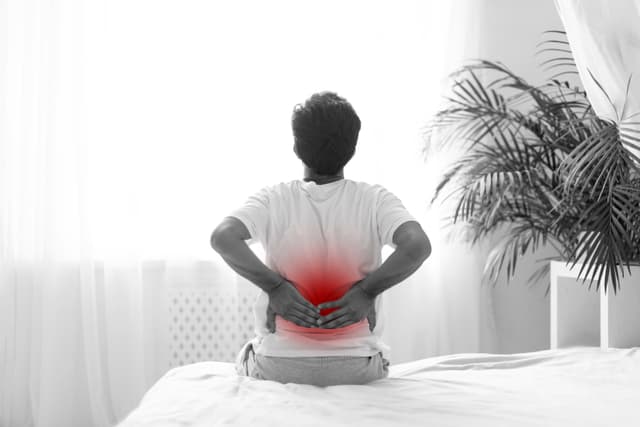

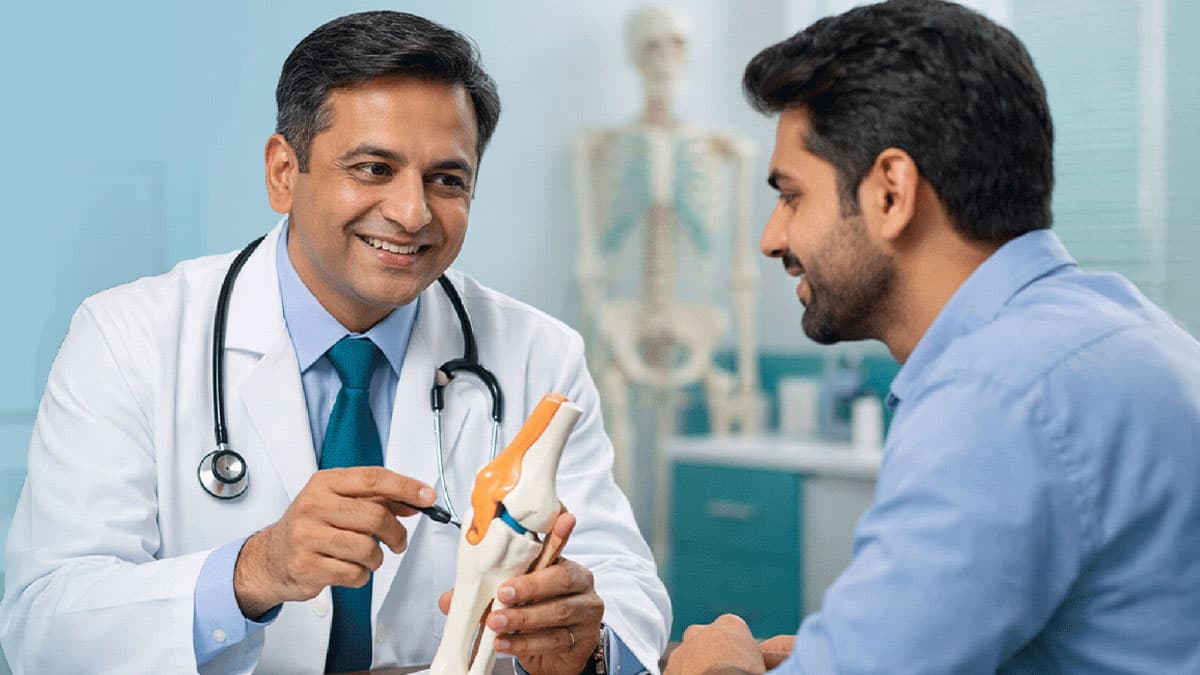
Knee pain can develop from an injury, overuse, arthritis, or problems affecting the muscles, ligaments, cartilage, and other structures around the knee. Mild pain may improve with rest, but persistent pain, swelling, stiffness or difficulty walking may require an orthopaedic evaluation.
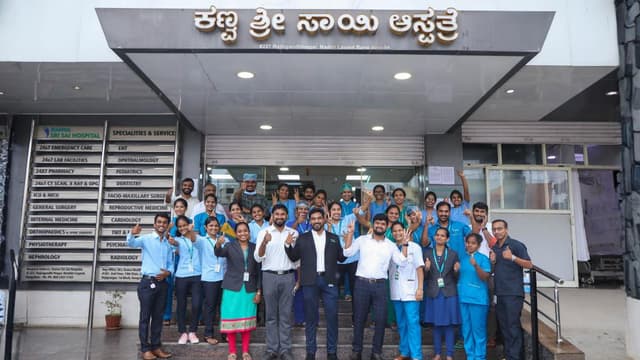
For people looking for orthopaedic care in Laggere for knee pain, Kanva Sri Sai Hospital in Nandini Layout, Bengaluru, provides orthopaedic evaluation and treatment for joint, bone and musculoskeletal conditions.
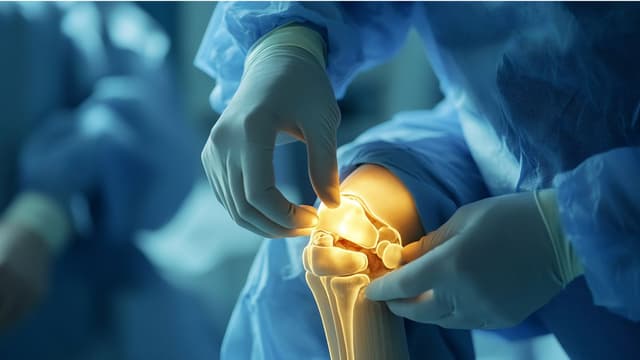
The knee is a complex joint involving bones, cartilage, ligaments, tendons and muscles. A problem affecting any of these structures can result in pain or reduced movement.
Knee pain can develop suddenly after an injury or gradually over time.
Some of the common causes include:
Osteoarthritis occurs when cartilage within a joint gradually wears down.
It can cause knee pain, stiffness and reduced movement. Symptoms may become more noticeable during activities such as walking, standing for long periods or climbing stairs.
Falls, sports injuries, accidents or sudden twisting movements can damage structures within the knee.
Ligament injuries, meniscus injuries and fractures are examples of problems that may require orthopaedic assessment.
Repeated stress on the knee from running, exercise, occupational activities or other repetitive movements can sometimes lead to pain.
The discomfort may initially be mild but become more noticeable if the activity continues.
Small fluid-filled sacs called bursae help reduce friction around joints.
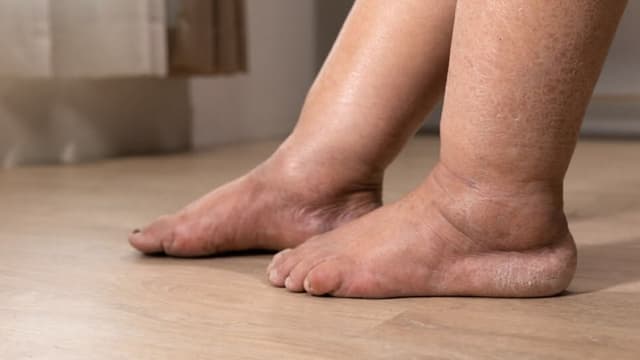
Inflammation of a bursa around the knee can cause pain, swelling and tenderness.
Tendons connect muscles to bones. Repetitive strain or injury can cause inflammation or irritation around these structures, leading to pain during movement.
Because different knee conditions can produce similar symptoms, identifying the cause is important before deciding on treatment.
Knee pain itself is only one symptom.
Depending on the underlying condition, you may also experience:
Symptoms that continue for several days, repeatedly return or interfere with daily activities may need medical evaluation.
| Knee Problem | Common Symptoms | When to Consider Orthopaedic Care |
|---|---|---|
| Osteoarthritis | Gradual pain and stiffness | When pain affects daily activities |
| Ligament injury | Pain, swelling or instability | After twisting or sports injury |
| Meniscus injury | Pain, swelling or catching sensation | If movement becomes difficult |
| Bursitis | Localised swelling and tenderness | If symptoms persist |
| Tendon problem | Pain during movement or activity | If pain repeatedly returns |
| Fracture | Severe pain, swelling or inability to bear weight | Seek prompt medical attention |
Symptoms alone cannot confirm the exact condition. An orthopaedic doctor may need to examine the knee and recommend appropriate tests.
Knee pain while climbing or descending stairs is a common complaint.
Stair climbing places additional demand on the knee joint and surrounding muscles. Conditions involving cartilage, the kneecap, tendons or arthritis may therefore become more noticeable during this activity.
If the pain happens occasionally after unusual physical activity, rest may help.
However, repeated pain while climbing stairs, particularly when accompanied by swelling or stiffness, may require an orthopaedic assessment.
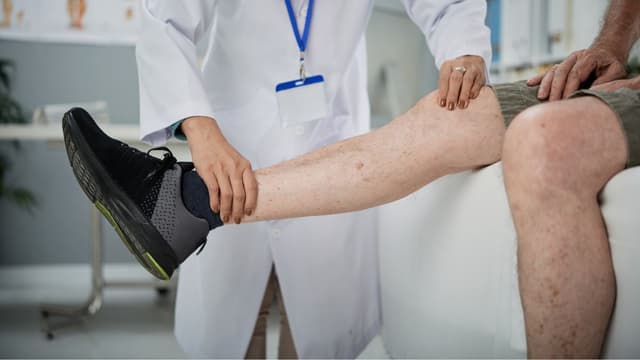
Diagnosis usually begins with understanding when and how the pain started.
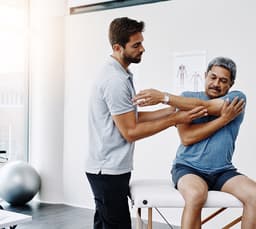
An orthopaedic doctor may ask whether the pain followed an injury, which movements make it worse, whether swelling occurs, and whether the knee feels unstable.
The doctor may then examine:
Additional tests may be recommended depending on the suspected condition.
An X-ray can help identify fractures, changes associated with arthritis, and certain bone abnormalities.
An MRI provides detailed images of soft tissues and may be recommended when problems involving ligaments, cartilage, tendons or the meniscus are suspected.
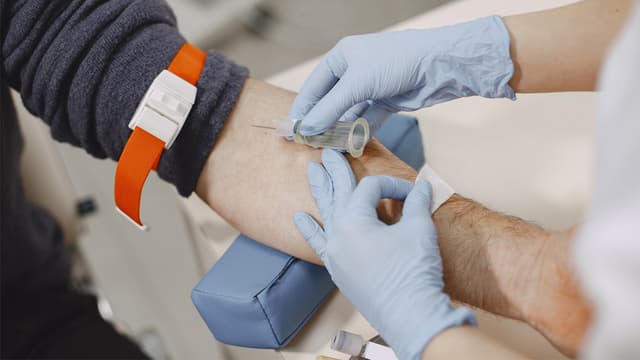
Blood tests aren't necessary for every knee problem but may be recommended if certain inflammatory or systemic conditions are suspected.
The appropriate investigation depends on the patient's symptoms and clinical findings.
Knee pain treatment depends on the underlying cause, severity of symptoms, age, activity level, and overall health of the patient.
Not everyone with knee pain needs surgery.
Temporarily reducing activities that worsen the pain may allow irritated tissues to recover.
However, prolonged inactivity isn't appropriate for every condition, so medical guidance may be helpful when symptoms continue.
Specific exercises may help improve strength, flexibility and movement around the knee.
A rehabilitation programme should be appropriate for the diagnosed condition rather than based on random exercises found online.
Doctors may recommend appropriate medication to manage pain or inflammation depending on the patient's condition and medical history.
For selected knee conditions, injections may be considered as part of treatment. Whether they are suitable depends on the diagnosis and individual patient.
Surgery may be considered when significant structural damage is present or when severe symptoms don't respond adequately to conservative treatment.
The type of surgery depends entirely on the underlying knee problem.
Consider an orthopaedic evaluation if knee pain:
Prompt medical attention may be necessary after a major injury, severe swelling, visible deformity or inability to put weight on the affected leg.
If you live in Laggere and knee pain is affecting your mobility or daily routine, an orthopaedic evaluation can help determine the underlying cause rather than simply managing the pain temporarily.
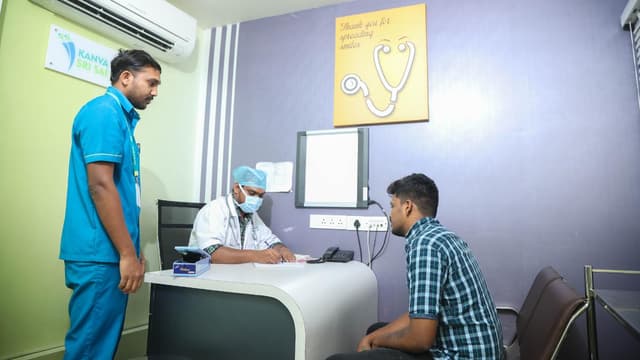
Located in Nandini Layout, Bengaluru, Kanva Sri Sai Hospital provides Orthopaedic services for patients from Laggere and surrounding areas.
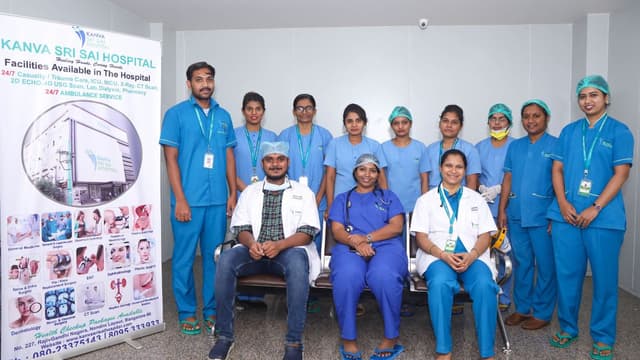
The Orthopaedics team at Kanva Sri Sai Hospital evaluates bone, joint, and musculoskeletal problems, including knee pain and injuries. Depending on the condition, diagnostic investigations and appropriate treatment options can be recommended based on individual clinical needs.
For internal linking, Kanva Sri Sai Hospital can naturally link to the hospital's Orthopaedics speciality page.
Not every knee condition can be prevented, particularly injuries and age-related joint changes.
However, certain habits may support long-term joint health.
Maintaining a healthy body weight can reduce unnecessary stress on weight-bearing joints. Regular physical activity can also help maintain muscle strength and mobility when performed appropriately.
Wearing suitable footwear, increasing exercise intensity gradually, and using proper technique during physical activities may help reduce the risk of some injuries.
Most importantly, don't repeatedly exercise through significant knee pain without understanding its cause.
Knee pain can make simple activities such as walking, climbing stairs, standing up or exercising uncomfortable.
While temporary pain may improve with rest, persistent or worsening symptoms deserve attention.
Finding the underlying cause helps determine whether you need activity modification, physiotherapy, medication, or another form of treatment.
For people seeking orthopaedic care in Laggere for knee pain, the Orthopaedics team at Kanva Sri Sai Hospital, Nandini Layout, Bengaluru, provides evaluation and treatment based on each patient's condition and mobility needs.
Knee pain can result from arthritis, injuries, overuse, tendon problems, and other conditions affecting the joint.
Stair climbing increases stress on the knee, which can make arthritis, kneecap or soft-tissue problems more noticeable.
Seek an evaluation if pain persists, repeatedly returns, causes swelling, or begins to interfere with walking and daily activities.
Gentle walking may help some conditions, but the appropriate level of activity depends on the cause and severity of your knee pain.
No. Many knee conditions can be managed with non-surgical treatments such as activity changes, physiotherapy or medication.
Doctors may use a physical examination, X-ray, or MRI depending on the suspected cause of the knee problem.
Patients from Laggere can consider Kanva Sri Sai Hospital in Nandini Layout, Bengaluru, for orthopaedic evaluation and treatment.