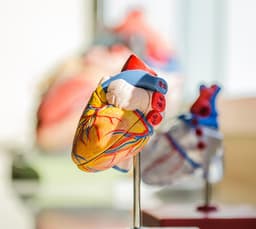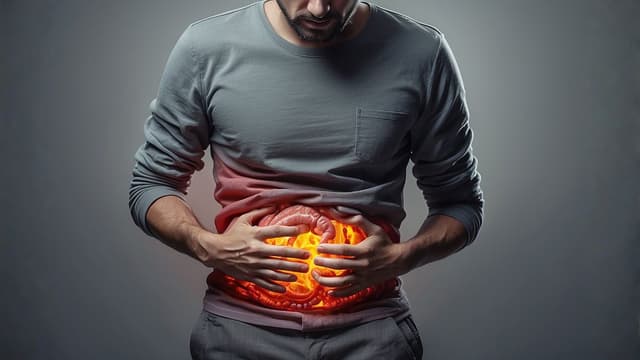

A heart attack occurs when blood flow to a part of the heart muscle becomes blocked, usually due to a buildup of plaque in the coronary arteries. This blockage prevents oxygen from reaching the heart tissue, causing damage to the muscle. Over time, conditions such as high cholesterol, high blood pressure, and diabetes can increase the risk of artery blockage.
Many individuals may not realize that heart attack symptoms often begin gradually rather than suddenly. Early recognition of these symptoms allows patients to seek medical care quickly and reduce potential heart damage.
Recognizing the heart attack warning signs early is essential for preventing life-threatening complications. When treatment begins quickly, doctors can restore blood flow and minimize damage to the heart muscle.
People frequently ask what the early signs of a heart attack are, and understanding these symptoms helps individuals take timely action and seek immediate medical attention.
One of the most common cardiac emergency symptoms is chest discomfort or pressure. Patients often describe this sensation as tightness, heaviness, or squeezing in the chest. The discomfort may last several minutes or come and go.
These symptoms should never be ignored, especially when accompanied by other heart disease symptoms such as shortness of breath or fatigue.
Pain that spreads from the chest to the left arm, neck, jaw, or back can be a major warning sign of a heart attack. This pain may feel like pressure or discomfort rather than sharp pain.
Learning how to recognize heart attack symptoms can help individuals identify these warning signs early and seek medical help before the condition becomes severe.
Shortness of breath and unusual fatigue can also signal a heart attack. These symptoms may occur even without chest pain and can develop gradually over several hours or days.
People experiencing these heart attack warning signs should consider immediate medical evaluation, especially if symptoms worsen with activity.
Some heart attacks arise with symptoms that resemble digestive problems. Patients may experience nausea, vomiting, cold sweats, or a sensation similar to indigestion.
Understanding what to do during a heart attack is critical. Immediate medical attention is necessary if these symptoms occur along with chest discomfort or breathing difficulty.
Heart attack symptoms in women can sometimes be less obvious than in men. Women may experience fatigue, nausea, back pain, or shortness of breath instead of severe chest pain.
These subtle heart disease symptoms can delay diagnosis if they are mistaken for other health issues. Recognizing these signs is important for early treatment.
Hormonal differences and variations in heart disease patterns may influence how symptoms appear in women. As a result, symptoms may be more subtle or atypical.
Regular heart health screening tests can help detect cardiovascular risk factors early and reduce the likelihood of unexpected cardiac events.
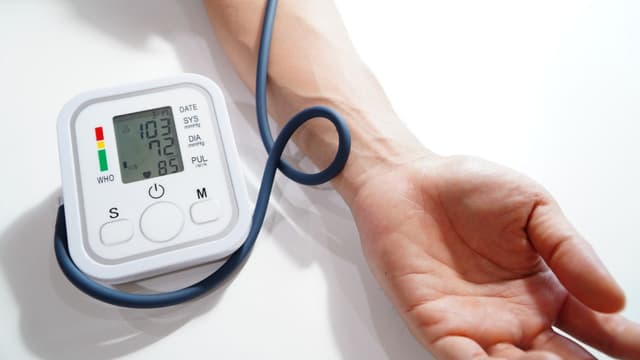
Several medical conditions significantly increase the risk of heart attacks. High blood pressure damages artery walls, while diabetes and high cholesterol contribute to plaque buildup.
These heart attack risk factors can gradually increase the likelihood of coronary artery disease if not managed properly.
Lifestyle habits also play a major role in heart health. Smoking damages blood vessels, while obesity and lack of exercise increase strain on the heart.
Maintaining healthy habits and regular preventive cardiology care can help reduce these risk factors and protect cardiovascular health.
If a person experiences persistent chest pain, difficulty breathing, or severe dizziness, they should seek medical attention immediately. Waiting too long can increase the risk of serious complications.
People often ask when to go to the hospital for chest pain, and the answer is simple: any unexplained chest discomfort that lasts more than a few minutes requires urgent medical evaluation.
During a suspected heart attack, immediate action is critical. Calling emergency medical services and seeking professional help as soon as possible can save lives.
Medical teams specializing in cardiology emergency care are trained to provide rapid treatment and restore blood flow to the heart.
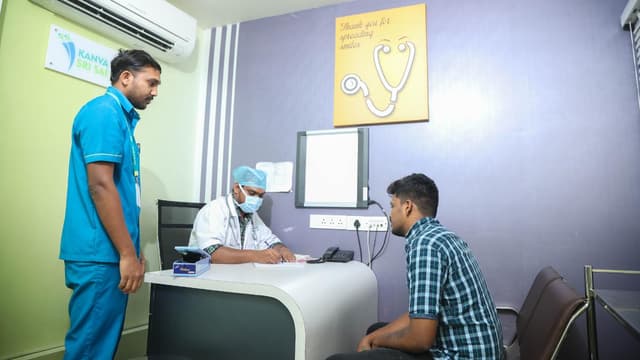
Healthcare institutions such as Kanva Sri Saiemphasize timely response and early intervention for patients experiencing cardiac symptoms.
Preventing heart disease begins with healthy lifestyle habits. A balanced diet rich in fruits, vegetables, whole grains, and lean proteins supports heart health.
Regular physical activity and stress management techniques can help control blood pressure and reduce heart attack risk factors.
Routine medical check-ups play an important role in preventing cardiovascular disease. Doctors use heart health screening tests to detect early signs of heart disease and monitor risk factors.
Regular cardiologist consultations allow individuals to receive personalized guidance for maintaining heart health and preventing future complications.
Early symptoms include chest discomfort, shortness of breath, fatigue, dizziness, and pain spreading to the arm, neck, or jaw.
A heart attack occurs when blood flow to the heart muscle is blocked due to plaque buildup in the coronary arteries.
Early recognition allows immediate treatment, which can restore blood flow and reduce damage to the heart muscle.
Yes, some people experience symptoms like fatigue, nausea, or shortness of breath without intense chest pain.
Women may experience fatigue, nausea, back pain, shortness of breath, or mild chest discomfort.
High blood pressure, diabetes, high cholesterol, smoking, obesity, and a sedentary lifestyle increase the risk.