

Foamy urine and swollen feet can sometimes occur for harmless reasons, but when they persist or appear together, they may indicate a problem affecting the kidneys or another underlying health condition. Protein leaking into the urine and fluid retention are among the possible explanations, so ongoing symptoms should be medically evaluated.
For people looking for kidney care near Rajajinagar, the Nephrology team at Kanva Sri Sai Hospital, Nandini Layout, Bengaluru, provides evaluation and management of kidney-related conditions.
Occasional bubbles or foam in urine are not always a sign of kidney disease.
Urine may appear foamy when you urinate quickly or forcefully. Concentrated urine caused by inadequate fluid intake can also sometimes look more bubbly than usual.
However, urine that remains noticeably foamy over time may need further evaluation.
One possible reason is protein in the urine, medically known as proteinuria.
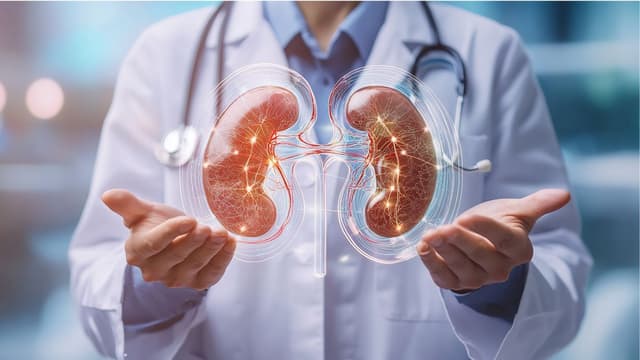
Healthy kidneys normally help keep important proteins in the blood while removing waste and excess fluid. When the kidney's filtering system is affected, protein such as albumin may pass into the urine.
Persistent foamy urine therefore shouldn't automatically be diagnosed as a kidney problem, but it is worth discussing with a doctor.
Swelling caused by fluid accumulating in body tissues is known as oedema.
It commonly affects the feet, ankles and lower legs.
Temporary swelling can happen after standing or sitting for long periods, particularly after a long day. High salt intake and certain medications can also contribute.
Persistent swelling, however, may sometimes be associated with conditions involving the kidneys, heart, liver or blood vessels.
When the kidneys are not adequately regulating salt and fluid, excess fluid may accumulate in the body and contribute to swelling.
Persistent foamy urine together with swelling of the feet or ankles can sometimes be associated with protein loss in the urine or impaired kidney function.
However, these symptoms alone cannot diagnose kidney disease.
Other medical conditions can produce similar symptoms, which is why urine tests, blood tests and a clinical assessment may be needed.
The combination deserves particular attention if it occurs alongside high blood pressure, changes in urination, unusual tiredness or swelling around the eyes.
| Symptom | Possible Explanation | When to Seek Medical Advice |
|---|---|---|
| Occasional bubbles in urine | Forceful urination or concentrated urine | If it becomes persistent |
| Persistent foamy urine | Protein may be present in urine | Consider medical evaluation |
| Swollen feet or ankles | Fluid retention or other causes | If persistent or worsening |
| Puffy eyes | Fluid retention or other conditions | If repeatedly present |
| Blood in urine | Kidney or urinary tract conditions | Should be medically evaluated |
| Reduced urine output | Multiple possible causes | Seek medical advice |
| Breathlessness with significant swelling | Possible fluid accumulation or other condition | Prompt assessment may be needed |
Several kidney-related problems may cause protein in the urine, fluid retention or both.
Chronic kidney disease (CKD) involves a gradual decline in kidney function over time.
Diabetes and high blood pressure are important risk factors for CKD.
Early kidney disease may cause few noticeable symptoms, which is one reason blood and urine tests are important for people at increased risk.
The glomeruli are tiny filtering structures inside the kidneys.
Conditions affecting these filters can allow protein or blood to enter the urine and may contribute to swelling.
Nephrotic syndrome refers to a group of findings that includes high levels of protein in the urine.
People may experience swelling, particularly around the feet, ankles or eyes, along with other changes.
The underlying cause needs to be identified before appropriate treatment can be planned.
Kidney function can sometimes decline suddenly because of severe illness, dehydration, certain medications, urinary obstruction or other medical problems.
A sudden decrease in urine output or rapidly developing swelling requires medical assessment.
No.
This distinction is important.
Foamy urine can occur without kidney disease, and swollen feet have many possible causes unrelated to the kidneys.
For example, prolonged standing may cause temporary ankle swelling, while forceful urination can create bubbles in the toilet.
The concern increases when symptoms are persistent, unexplained, worsening or occurring together.
Rather than assuming the cause based on an online symptom list, appropriate medical testing can provide a clearer answer.
A doctor may begin by asking about your symptoms, medical history, medications and conditions such as diabetes or high blood pressure.
Several tests can then help evaluate kidney health.
Urine testing can detect protein, blood and other abnormalities.
A urine albumin test may be used to identify abnormal protein leakage.
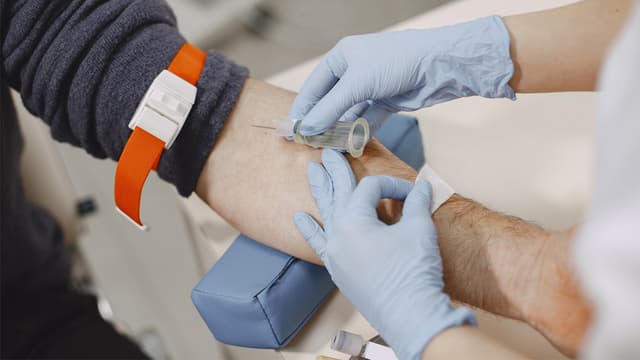
Blood tests can measure creatinine and help estimate how effectively the kidneys are filtering blood.
The estimated glomerular filtration rate, or eGFR, is commonly used as one indicator of kidney function.
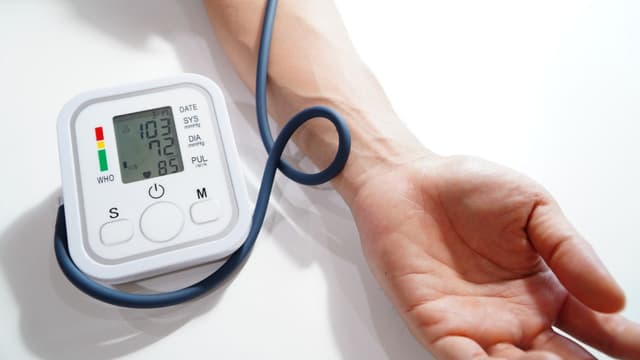
High blood pressure can both contribute to kidney disease and develop as a consequence of kidney problems.
Monitoring blood pressure is therefore an important part of kidney assessment.
A kidney ultrasound may be recommended to examine the kidneys and urinary system for structural abnormalities or obstruction.
Additional investigations depend on the patient's symptoms and initial test results.
Treatment depends on the underlying kidney condition rather than the symptoms alone.
For some patients, management may involve controlling blood pressure or blood glucose, adjusting medications, reducing dietary sodium or treating the underlying disease.
More advanced kidney problems may require specialist management and closer monitoring.
Dialysis is required only in certain situations when kidney function becomes severely impaired. Foamy urine or swollen feet alone does not mean that someone needs dialysis.
Early evaluation can help doctors identify the cause and determine the appropriate next steps.
Consider medical evaluation if you notice:
People with diabetes, high blood pressure, or a family history of kidney disease may also benefit from appropriate kidney health monitoring.
If you live in Rajajinagar or surrounding areas and are experiencing persistent foamy urine, swelling, or other possible kidney-related symptoms, a nephrology evaluation can help determine whether your kidneys are functioning normally.
Located in Nandini Layout, Bengaluru, Kanva Sri Sai Hospital provides Nephrology services for patients from Rajajinagar and nearby localities.
The Nephrology team at Kanva Sri Sai Hospital evaluates kidney-related conditions using appropriate clinical assessment and diagnostic investigations. Treatment is then planned according to the patient's diagnosis, kidney function, and overall health.
For internal linking, the first contextual mention of Kanva Sri Sai Hospital can link to the hospital's Nephrology speciality page.
Healthy everyday habits can help reduce some kidney disease risk factors.
Manage blood pressure and diabetes appropriately if you have these conditions. Maintain adequate hydration, avoid excessive salt intake, and use medicines according to professional guidance.
Regular health checks can be particularly valuable for people with kidney disease risk factors because early stages may not produce obvious symptoms.
Most importantly, don't rely solely on symptoms to determine whether your kidneys are healthy.
Seeing foam in your urine once doesn't automatically mean you have kidney disease. Similarly, temporary ankle swelling after standing for many hours may have a simple explanation.
The pattern matters.
When foamy urine becomes persistent, swelling repeatedly occurs, or both symptoms appear together, medical evaluation can help identify whether kidney function or another health condition is involved.
For people seeking kidney care near Rajajinagar, the Nephrology team at Kanva Sri Sai Hospital, Nandini Layout, Bengaluru, provides kidney evaluation and management based on individual clinical needs.
Not always. Occasional foam can be harmless, but persistent foamy urine may require testing for protein and other abnormalities.
Yes. Some kidney conditions can cause fluid retention, which may lead to swelling in the feet, ankles, or legs.
Urine testing, including tests that measure albumin, can help detect abnormal amounts of protein in the urine.
Creatinine is a waste product measured in blood tests and is commonly used along with other measures to assess kidney function.
Yes. Long-term high blood pressure can damage kidney blood vessels and is an important risk factor for chronic kidney disease.
Persistent urinary changes, swelling, abnormal kidney tests, or known kidney disease may require evaluation by a nephrologist.
Patients from Rajajinagar can consider Kanva Sri Sai Hospital in Nandini Layout, Bengaluru, for nephrology evaluation and kidney care.