
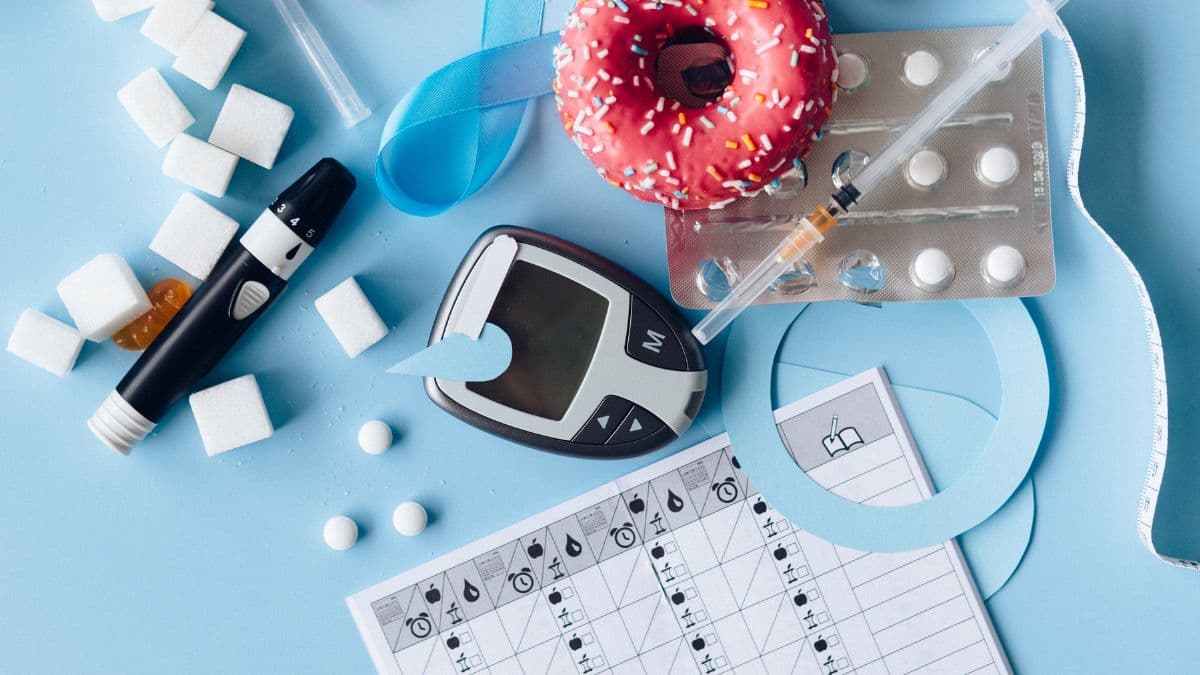
Diabetes is no longer just a hereditary condition or an age-related disease. In cities like Bangalore, it has become a growing lifestyle disorder. Many young professionals and middle-aged individuals are now being diagnosed with prediabetes or Type 2 Diabetes due to changes in daily habits.
The modern urban lifestyle—characterized by long working hours, unhealthy eating patterns, stress, and lack of physical activity—is one of the biggest contributors to this rise. What makes it more concerning is that many people do not realize they are at risk until symptoms begin to appear.
Your body relies on a balanced routine to regulate blood sugar levels. When your daily habits become irregular, it directly affects insulin function.
In urban settings, people often skip meals, rely on processed foods, and spend long hours sitting. These habits lead to sudden spikes and drops in blood sugar levels. Over time, this can result in insulin resistance, where the body cannot effectively use insulin to control glucose.
Stress also plays a major role. High stress levels increase cortisol, a hormone that can raise blood sugar levels and worsen metabolic health.
Urban living introduces several risk factors that silently impact your health. Lack of physical activity is one of the most common issues. Many individuals spend most of their day sitting—whether at work, during travel, or at home.
Unhealthy eating habits are another major factor. Frequent consumption of fast food, sugary drinks, and processed snacks leads to excessive calorie intake and poor nutrition.
Irregular sleep patterns, often caused by late-night work or screen usage, also disrupt metabolic processes. Over time, these combined factors increase the likelihood of developing diabetes.
Understanding how lifestyle choices impact your health can help you make better decisions.
| Factor | Healthy Lifestyle | Urban Lifestyle Risk |
|---|---|---|
| Physical Activity | Regular exercise | Sedentary routine |
| Diet | Balanced, home-cooked meals | Processed and high-sugar foods |
| Sleep | 7–8 hours, consistent | Irregular and poor-quality sleep |
| Stress Levels | Managed effectively | High stress and pressure |
| Blood Sugar Control | Stable | Frequent spikes |
Diabetes often develops gradually, and early symptoms may be mild. Many people overlook these signs until the condition progresses.
Common symptoms include frequent urination, increased thirst, fatigue, blurred vision, and unexplained weight changes. Some individuals may also experience slow healing of wounds or frequent infections.
Recognizing these early signs and taking timely action can prevent serious complications.
Urban professionals are among the highest risk groups due to sedentary work environments and high stress levels. Individuals with a family history of diabetes are also more vulnerable.
People who are overweight, physically inactive, or have conditions like hypertension or thyroid disorders face an increased risk. Additionally, irregular eating patterns, such as skipping meals or late-night eating, can further worsen the situation.
Preventing diabetes does not require drastic changes. Small, consistent improvements in your daily routine can significantly reduce risk.
Regular physical activity, even simple walking for 30 minutes a day, helps improve insulin sensitivity. Eating balanced meals at regular intervals helps maintain stable blood sugar levels.
Reducing processed food intake and increasing fiber-rich foods like vegetables, fruits, and whole grains also supports better metabolic health.
Managing stress through relaxation techniques, proper sleep, and limiting screen time can further improve overall health.
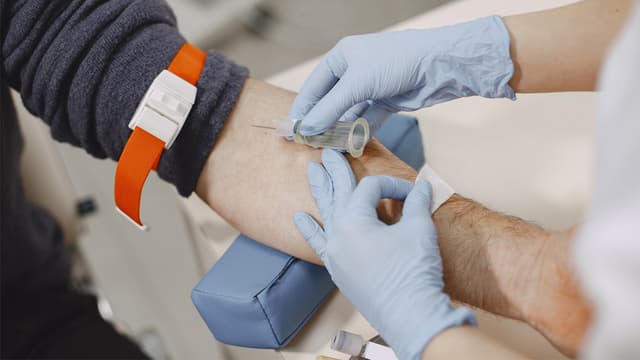
If you experience persistent fatigue, unusual thirst, or frequent urination, it is important to get your blood sugar levels checked. Regular health screenings are especially important for individuals with risk factors.
Early diagnosis allows for better management and prevents complications such as heart disease, kidney issues, and nerve damage.
At Kanva Sri Sai Hospital, we provide comprehensive care for diabetes prevention and management. Our team focuses on early detection, accurate diagnosis, and personalized treatment plans.
You can explore our related services:
Urban lifestyle has made life more convenient, but it has also introduced serious health risks. Diabetes is one of the most common conditions linked to modern living, especially in cities like Bangalore.
The good news is that it is largely preventable. By making conscious lifestyle choices and seeking timely medical care, you can protect your health and reduce your risk of diabetes.
Diabetes is rising due to sedentary lifestyles, unhealthy diets, high stress, and irregular sleep patterns common in urban environments.
Yes. Chronic stress raises cortisol levels, which can increase blood sugar and contribute to insulin resistance.
Lack of physical activity reduces insulin sensitivity, making it harder for the body to regulate blood sugar levels.
Early signs include fatigue, increased thirst, frequent urination, blurred vision, and slow healing of wounds.
Yes. A healthy diet, regular exercise, proper sleep, and stress management can significantly reduce the risk of diabetes.
If you are at risk, it is advisable to check your blood sugar levels at least once a year or as recommended by your doctor.
No. While genetics play a role, lifestyle factors are a major cause of diabetes in urban populations.
You can get accurate testing and expert consultation at Kanva Sri Sai Hospital, where advanced diagnostic and treatment facilities are available.