High blood pressure, also known as hypertension, occurs when the force of blood pushing against artery walls remains consistently high. Over time, this pressure damages blood vessels and forces the heart to work harder than normal. Many individuals develop high blood pressure symptoms gradually, often without realizing the condition is progressing.
The problem with hypertension is that it can silently affect vital organs such as the heart, brain, and kidneys. Without proper heart health monitoring, individuals may not notice changes until serious complications occur.
Hypertension is often called a silent condition because symptoms may not appear until blood pressure reaches dangerously high levels. Many people live with elevated blood pressure for years without obvious warning signs.
Regular hypertension screening tests are essential for early detection. Routine monitoring allows doctors to identify abnormal readings and recommend preventive measures before complications develop.
One of the most common hypertension symptoms is persistent headaches or dizziness. These symptoms occur when increased pressure affects blood flow to the brain.
Although headaches may occur for many reasons, frequent or severe headaches may indicate underlying high blood pressure causes that require medical attention. Identifying these symptoms early helps patients seek appropriate treatment.
Other early high blood pressure symptoms may include fatigue, blurred vision, and occasional chest discomfort. These signs may appear when the heart struggles to pump blood effectively due to elevated pressure in the arteries.
People experiencing these symptoms should consider undergoing hypertension screening tests to evaluate their cardiovascular health.
In advanced stages, uncontrolled hypertension may cause severe symptoms such as intense headaches, nosebleeds, and shortness of breath. These symptoms can indicate dangerously high blood pressure levels.
Patients often ask what the warning signs of high blood pressure are, and these severe symptoms may signal an urgent need for medical evaluation.
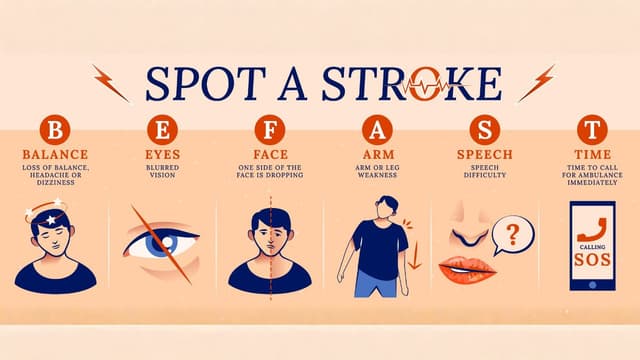
If left untreated, hypertension may lead to serious complications such as a heart attack, stroke, kidney damage, and heart failure. Long-term exposure to high blood pressure weakens the heart and damages the arteries.
Proper hypertension management and regular health monitoring can help prevent these life-threatening complications.
Urban lifestyles often contribute to rising hypertension rates. High stress levels, poor dietary habits, lack of exercise, and excessive salt intake can increase blood pressure over time.
Many professionals living in cities require regular preventive heart health care to maintain cardiovascular wellness and avoid long-term complications.
Certain individuals have a higher risk of hypertension due to genetic factors, aging, or existing medical conditions such as diabetes or obesity.
Understanding these high blood pressure causes allows doctors to recommend early screening and lifestyle changes that support long-term cardiovascular health.
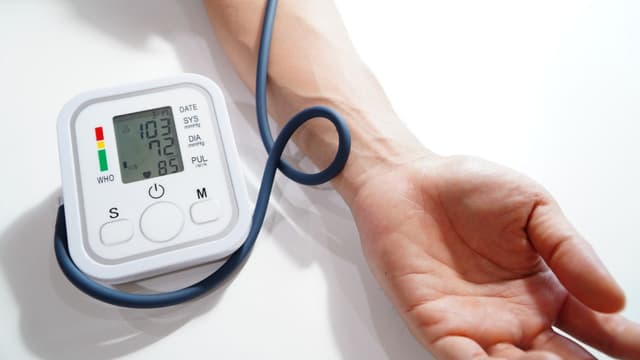
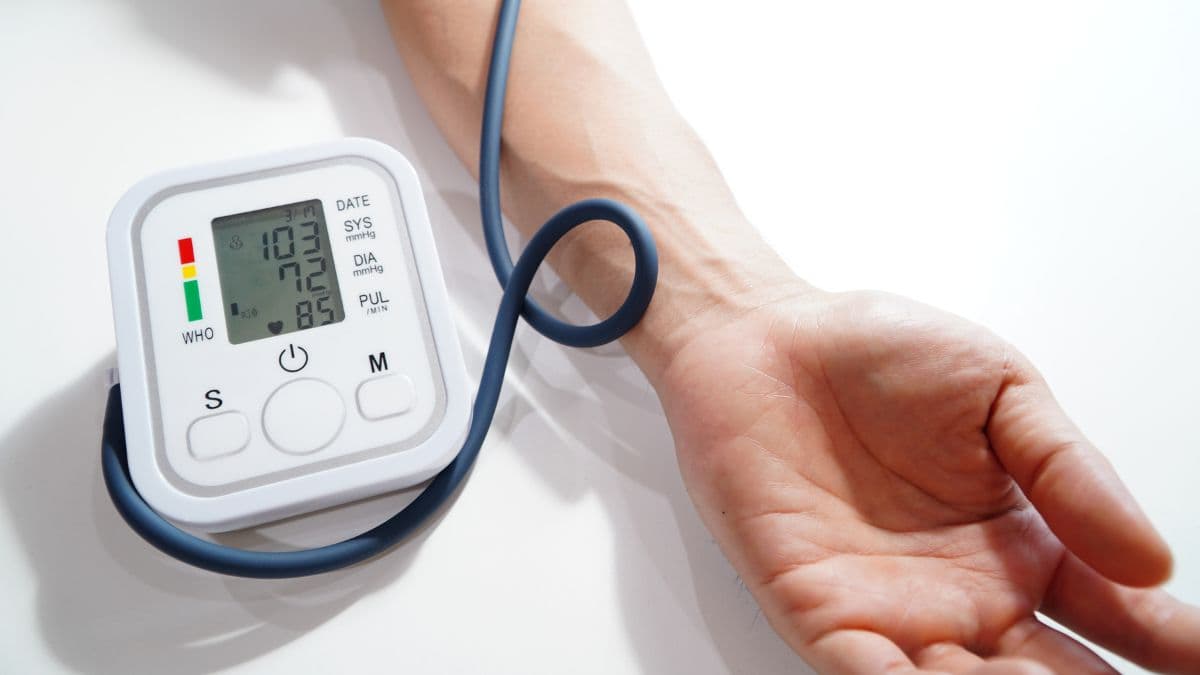
The most common method used to diagnose hypertension is blood pressure measurement. Doctors use specialized equipment to measure systolic and diastolic pressure levels.
Routine health check-ups play a key role in detecting high blood pressure symptoms early and preventing complications through timely treatment.
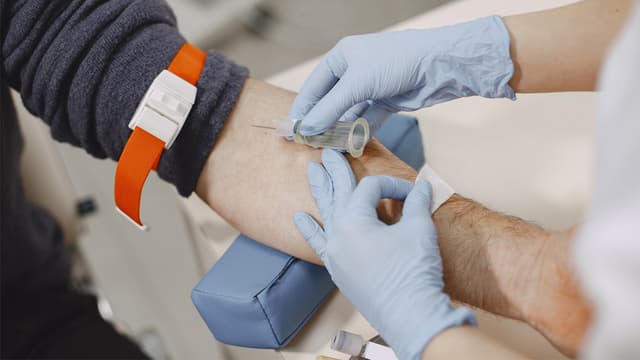
In some cases, doctors may recommend additional diagnostic tests to evaluate organ health. Blood tests, urine tests, and ECG examinations help determine whether hypertension has affected the heart or kidneys.
These tests support accurate diagnosis and guide doctors in developing effective blood pressure treatment Bangalore strategies.
Lifestyle changes are essential for managing hypertension. Regular physical activity improves heart function and helps regulate blood pressure levels.
A balanced diet rich in fruits, vegetables, and whole grains supports hypertension management and reduces cardiovascular risk.
Excessive salt consumption is one of the leading contributors to hypertension. Reducing sodium intake and choosing healthier food options can significantly lower blood pressure levels.
Stress management techniques such as meditation, yoga, and relaxation exercises also play a key role in preventive heart health care.
Persistent headaches, dizziness, chest pain, or unexplained fatigue should not be ignored. These symptoms may indicate serious cardiovascular issues that require medical attention.
Individuals experiencing these warning signs should consider seeking cardiology care in Bangalore to receive an accurate diagnosis and treatment.
Regular screening is essential for detecting hypertension early and preventing serious complications. Routine heart health monitoring helps doctors track blood pressure changes and recommend suitable treatments.
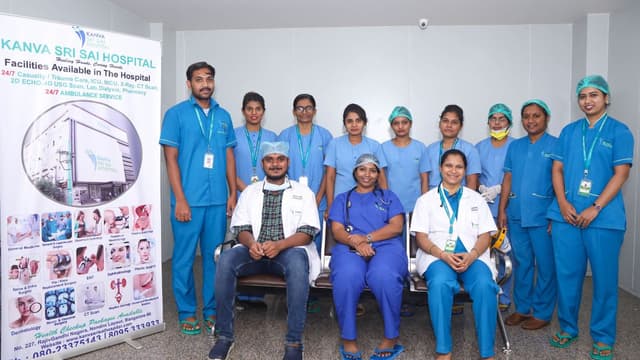
Healthcare providers at Kanva Sri Sai emphasize the importance of preventive screening and personalized treatment plans to support long-term cardiovascular health.
Early signs may include frequent headaches, dizziness, fatigue, blurred vision, and occasional chest discomfort.
High blood pressure often develops without noticeable symptoms until it reaches a severe stage.
Common causes include stress, poor diet, excess salt intake, lack of exercise, obesity, and genetic factors.
Doctors diagnose hypertension through blood pressure monitoring and routine health check-ups.
You should consult a doctor if you experience persistent headaches, dizziness, chest pain, or shortness of breath.
Yes, regular exercise, a balanced diet, reduced salt intake, and stress management can help regulate blood pressure.