
Chronic back pain has become increasingly common in urban environments where long working hours and sedentary lifestyles dominate daily routines. Many professionals spend extended periods sitting at desks, often with poor posture, which places continuous pressure on the spine. Over time, this strain can lead to muscle stiffness and persistent discomfort.
People experiencing ongoing discomfort often search for back pain treatment in Bangalore to address their symptoms before the condition worsens. Early diagnosis and proper care can help reduce pain and restore mobility.
The human spine is designed to support body weight and enable movement, but repetitive strescan gradually weaken muscles and ligaments. Activities such as lifting heavy objectsimproper posture, and long hours of sitting can increase pressure on spinal discs.
These factors contribute to chronic back pain symptoms, which may worsen over time if lefuntreated. Recognizing early signs of spinal stress allows individuals to seek timely medicaadvice.
One of the most frequent causes of chronic back pain is muscle strain causedsudden movements or overexertion. However, structural conditions such as herniadiscs, degenerative disc disease, and spinal arthritis can also lead to long-tpain.
Understanding what causes chronic back pain helps doctors determine the meffective spine pain treatment for each patient. Accurate diagnosis is essential choosing the right treatment approach.
Poor posture is another major contributor to back pain. Slouching while sittiincorrect lifting techniques, and repetitive physical movements can gradually damspinal structures.
Individuals experiencing these issues may benefit from back pain physiotherprograms designed to improve posture, strengthen muscles, and support spialignment.
Chronic back pain often begins as mild stiffness that gradually becomes more persistent. Patients may feel discomfort in the lower back after prolonged sitting or standing.
These chronic back pain symptoms can interfere with daily activities and reduce mobility. Identifying the symptoms early allows doctors to recommend suitable lower back pain treatment options.
In some cases, chronic back pain may be accompanied by nerve-related symptoms such as numbness, tingling sensations, or weakness in the legs. These symptoms may indicate nerve compression or spinal disc problems.
If these signs occur, a medical evaluation is essential to determine the extent of the chronic back pain and to prevent long-term nerve damage.
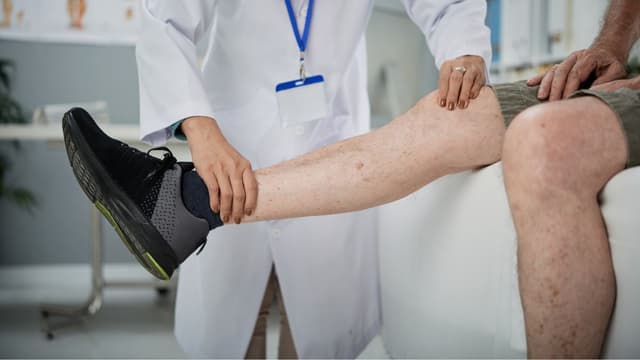
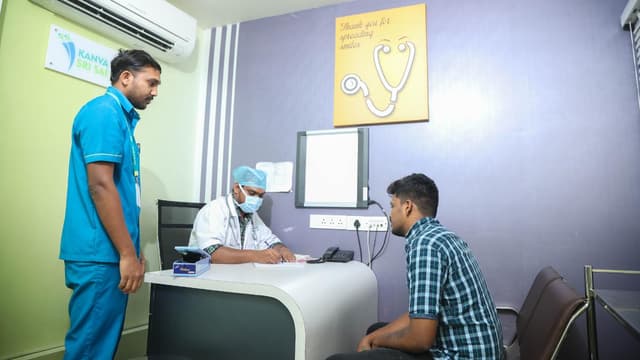
Doctors usually begin a diagnosis with a detailed physical examination to evaluate posture, range of motion, and areas of tenderness. This helps identify possible causes of back pain.
During evaluation, specialists assess muscle strength and spinal alignment to determine the most appropriate back pain management program for the patient.
In some cases, imaging tests such as X-rays, CT scans, or MRIs may be required to examine the spine in greater detail. These tests help detect structural problems such as disc herniation or spinal degeneration.
Patients often ask how chronic back pain is diagnosed, and imaging studies provide valuable information for accurate diagnosis and treatment planning.
Physiotherapy is one of the most effective lower back pain treatment methods for chronic back problems. Rehabilitation programs include stretching exercises, strengthening routines, and posture correction techniques.
These therapies improve flexibility, reduce pain, and restore spinal stability through structured spinal rehabilitation therapy.
Doctors may prescribe medications to reduce inflammation and relieve pain. Pain management therapies, including heat therapy and manual therapy, can also help improve mobility.
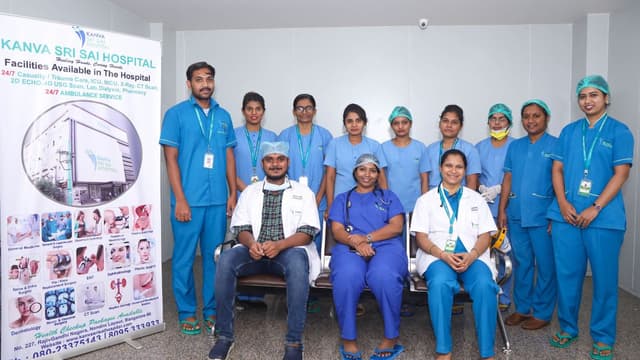
At healthcare centers such as Kanva Sri Sai, specialists offer personalized back pain treatment plans that combine medication, rehabilitation, and lifestyle adjustments.
For patients who do not respond to conservative treatments, doctors may recommend injection therapies. Steroid injections help reduce inflammation around spinal nerves and relieve pain.
These minimally invasive treatments are part of advanced orthopedic spine care designed to provide relief without major surgery.
In rare cases where non-surgical treatments fail to provide relief, surgery may be considered. Surgical procedures are usually recommended when severe spinal damage or nerve compression is present.
Consulting a spine specialist in Bangalore helps determine whether surgery is necessary or if other treatment options can effectively manage the condition.
Preventing back pain often begins with improving workplace ergonomics. Using supportive chairs, maintaining correct posture, and adjusting desk height can reduce spinal strain.
Practicing good posture and regular stretching can help prevent chronic back pain symptoms from developing in the first place.
Regular exercise plays a vital role in maintaining spinal health. Activities such as yoga, swimming, and core strengthening exercises help support the spine and reduce stress on back muscles.
A structured back pain management program that includes exercise and lifestyle changes can significantly reduce the risk of recurring back pain and improve overall mobility.
Chronic back pain is commonly caused by muscle strain, poor posture, disc problems, or long-term spinal stress.
You should consult a doctor if back pain lasts longer than a few weeks or causes numbness, weakness, or severe discomfort.
Doctors diagnose chronic back pain through physical examination and imaging tests like X-rays or MRI scans.
Yes, physiotherapy helps strengthen muscles, improve posture, and reduce pain through guided exercises.
Common symptoms include persistent lower back stiffness, discomfort, nerve pain, numbness, or reduced mobility.
Yes, many patients find relief through physiotherapy, medications, and pain management therapies.