
Frequent urination can happen for simple reasons, such as drinking more fluids, but it can also be associated with urinary tract infections, diabetes, prostate problems, bladder conditions or other health concerns. If you are urinating more often than usual, especially at night or with pain, urgency or blood in the urine, a medical evaluation can help identify the cause.
For people looking for urology care near Rajagopala Nagar, the Urology team at Kanva Sri Sai Hospital, Nandini Layout, Bengaluru, provides evaluation and treatment for a range of urinary conditions.
Frequent urination means needing to pass urine more often than is normal for you.
There isn't one number that defines what is normal for everyone. How often you urinate can depend on how much fluid you drink, your age, medications, health conditions and daily habits.
The important question is whether your urination pattern has changed noticeably.
For example, needing to visit the bathroom much more frequently than before or repeatedly waking during the night to urinate may be worth discussing with a doctor.
Frequent urination is a symptom rather than a disease itself. Several conditions and everyday factors can cause it.
Increasing your water or other fluid intake naturally increases urine production.
Drinks containing caffeine may also make some people urinate more frequently.
A urinary tract infection (UTI) can cause a frequent or urgent need to urinate.
Other symptoms may include:
A doctor may recommend a urine test if a UTI is suspected.
Frequent urination can sometimes occur when blood glucose levels are high.
The kidneys may try to remove excess glucose through urine, which can lead to increased urination and thirst.
Frequent urination combined with unusual thirst, fatigue, or unexplained weight changes should be medically evaluated.
In men, the prostate can become enlarged with age.
An enlarged prostate, also called benign prostatic hyperplasia (BPH), can affect urine flow and cause symptoms such as:
A urologist can evaluate these symptoms and determine whether prostate enlargement or another condition is responsible.
An overactive bladder can create a sudden, difficult-to-control urge to urinate.
Some people may need to use the bathroom frequently even when the bladder isn't completely full.
Because similar symptoms can occur with infections and other urinary problems, proper evaluation is important before assuming overactive bladder is the cause.
| What You Notice | Possible Cause | When to Consider Medical Advice |
|---|---|---|
| Frequent urination without pain | High fluid intake or other causes | If the change persists |
| Burning while urinating | Possible UTI | Medical evaluation is recommended |
| Weak urine stream | Possible prostate or urinary obstruction | Consult a urologist |
| Frequent nighttime urination | Prostate, bladder or other conditions | If it repeatedly affects sleep |
| Increased thirst and urination | Possible blood sugar problem | Consider medical evaluation |
| Blood in the urine | Multiple possible urinary causes | Should be medically evaluated |
| Unable to pass urine | Possible urinary retention | Seek urgent medical attention |
Waking during the night to urinate is known as nocturia.
Occasionally waking once during the night may not necessarily indicate a medical problem, particularly if you drank fluids close to bedtime.
However, repeatedly waking to urinate can disrupt sleep and may sometimes be associated with bladder problems, prostate enlargement, medications, sleep-related conditions or other health issues.
If nighttime urination is new, becoming more frequent or affecting your quality of sleep, discuss it with a healthcare professional.
Finding the cause usually begins with understanding your symptoms.
A doctor may ask:
Depending on the answers and examination, further tests may be recommended.
A urine test can help identify infection, blood, or other abnormalities.
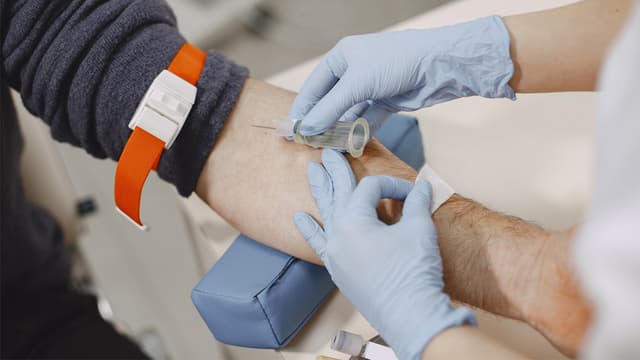
Blood tests may be recommended to assess blood glucose, kidney function or other relevant health indicators.
An ultrasound may be used to evaluate the kidneys, bladder or prostate depending on the suspected cause.
A urologist may recommend further investigations when symptoms suggest problems involving bladder function, urinary obstruction or the prostate.
Not every patient needs every test. The investigations are selected according to symptoms and medical history.
There is no single treatment for frequent urination because treatment depends on the underlying cause.
For example, treatment for a urinary infection is different from treatment for an enlarged prostate or overactive bladder.
Depending on the diagnosis, management may involve medication, lifestyle changes, bladder-related strategies, or procedures when medically appropriate.
This is why repeatedly trying home remedies without understanding the cause may delay appropriate treatment.
Consider seeing a urologist if frequent urination persists, becomes worse or occurs with other urinary symptoms.
Medical evaluation is particularly important if you experience:
Seek urgent medical attention if you become unable to pass urine or develop severe symptoms.
If you live in Rajagopala Nagar or nearby areas and are experiencing ongoing urinary symptoms, consulting a urologist can help determine whether the problem is related to the bladder, prostate, kidneys, or another part of the urinary system.
Located in Nandini Layout, Bengaluru, Kanva Sri Sai Hospital provides Urology services for patients from Rajagopala Nagar and surrounding localities.
The Urology team at Kanva Sri Sai Hospital evaluates conditions such as urinary symptoms, prostate-related problems, kidney stones, and other urinary tract disorders. Diagnostic testing may be recommended based on each patient's symptoms and clinical needs.
For internal linking, the first contextual mention of Kanva Sri Sai Hospital can link naturally to the hospital's Urology speciality page.
Not every cause of frequent urination can be prevented.
However, simple habits may support urinary health. These can include maintaining appropriate hydration, avoiding excessive caffeine if it worsens symptoms, and paying attention to changes in urinary patterns.
Avoid significantly reducing water intake simply to stop frequent urination unless a healthcare professional has advised you to do so.
More importantly, don't ignore persistent changes.
Frequent urination is your body's symptom, not the diagnosis. Identifying why it is happening is the first step toward appropriate treatment.
An occasional increase in urination may simply reflect increased fluid intake. But when the change continues, interrupts sleep or occurs alongside pain, burning, blood in the urine or difficulty urinating, it deserves attention.
A urologist can evaluate your symptoms and determine whether they are related to an infection, prostate problem, bladder condition or another cause.
For patients seeking urology care near Rajagopala Nagar, the Urology team at Kanva Sri Sai Hospital, Nandini Layout, Bengaluru, provides specialist evaluation and treatment based on individual clinical needs.
Frequent urination has many possible causes, including increased fluid intake, UTIs, bladder conditions, diabetes and prostate problems.
Nighttime urination may be related to evening fluid intake, bladder problems, prostate enlargement, medications or other health conditions.
Yes. High blood glucose can increase urine production, and frequent urination may occur along with increased thirst.
Yes. An enlarged prostate can affect urine flow and cause frequent urination, nighttime urination and difficulty emptying the bladder.
A urologist can evaluate persistent urinary symptoms involving the bladder, prostate and other parts of the urinary system.
Seek medical attention if it occurs with blood in urine, fever, severe pain, difficulty urinating or inability to pass urine.
Patients around Rajagopala Nagar can consider Kanva Sri Sai Hospital in Nandini Layout, Bengaluru, for urology evaluation and treatment.