

Dizziness and fatigue can happen due to low hemoglobin, dehydration, low blood sugar, thyroid problems, vitamin deficiency, sleep issues, heart rhythm changes, infections, or stress. If these symptoms keep coming back, worsen with activity, or affect daily work, a doctor may advise blood tests, an ECG, a BP check, and other investigations.
Many people ignore dizziness and fatigue because they seem common. But when both symptoms happen together, they can signal that the body is not getting enough oxygen, energy, hydration, or circulation support. At Kanva Sri Sai Hospital, doctors help patients identify whether these symptoms are linked to a simple lifestyle issue or an underlying medical condition.
Dizziness is a broad symptom. It may feel like light-headedness, imbalance, spinning, faintness, or unsteadiness while walking.
Fatigue means more than normal tiredness. It is a low-energy feeling that does not improve fully with rest and may affect work, concentration, exercise, or daily activity.
When dizziness and fatigue occur together, doctors usually look for common medical causes first. These may include anemia, low BP, low sugar, thyroid imbalance, vitamin deficiency, infection, poor sleep, anxiety, or heart-related issues.
The most common causes are often simple, but they still need proper evaluation if symptoms are repeated. A person may feel dizzy and tired after skipping meals, drinking less water, working long hours, or sleeping poorly.
Common causes include:
In Bengaluru, many patients also deal with long commute hours, screen-heavy work, skipped breakfast, low sunlight exposure, and high stress. These lifestyle patterns can worsen underlying health problems.
You should see a doctor if dizziness and fatigue keep coming back, last for several days, or interfere with normal activity. Do not wait if the symptoms are getting stronger or appearing without a clear trigger.
Book a consultation if you notice:
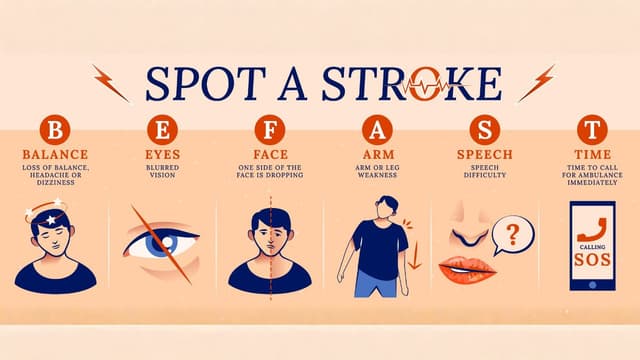
Seek emergency care if dizziness comes with chest pain, fainting, severe breathlessness, confusion, one-sided weakness, slurred speech, or sudden severe headache. These may need immediate medical attention.
Testing depends on your age, symptoms, medical history, and physical examination. A doctor may start with basic tests and add more only if needed.
| Test | Why It Is Done | What It May Detect |
|---|---|---|
| CBC Blood Test | Checks hemoglobin and blood cells | Anemia, infection signs |
| Blood Sugar Test | Checks glucose levels | Diabetes, low sugar episodes |
| Thyroid Profile | Measures thyroid function | Hypothyroid or hyperthyroid changes |
| Vitamin B12 and D Test | Checks nutrient deficiency | Weakness, nerve symptoms, low stamina |
| ECG and BP Check | Reviews heart rhythm and pressure | Arrhythmia, low BP, heart strain |
This table is a starting guide, not a fixed test list. Some patients may also need kidney function tests, liver function tests, electrolyte tests, urine tests, pregnancy test, ENT evaluation, or imaging based on symptoms.
At Kanva Sri Sai Hospital, patients can be evaluated through general medicine, diagnostics, laboratory services, cardiology, and other departments, depending on the cause of dizziness and fatigue.
Yes, low hemoglobin is one of the common reasons for dizziness and fatigue. Hemoglobin carries oxygen in the blood, so low levels can reduce oxygen supply to the brain, muscles, and organs.
This may cause:
Low hemoglobin may happen because of iron deficiency, heavy menstrual bleeding, poor nutrition, vitamin B12 deficiency, chronic disease, or hidden blood loss. A CBC test is usually the first step to check this.
Yes, stress and poor sleep can cause dizziness and fatigue, but they should not be blamed without checking other causes. Long-term stress can affect sleep, appetite, hydration, breathing pattern, and heart rate.
Poor sleep can make the brain feel foggy and the body feel heavy. If sleep quality is low for weeks, even normal tasks may feel difficult.
However, symptoms from anemia, thyroid imbalance, low sugar, heart rhythm issues, or infection can look similar. That is why testing is useful when symptoms are repeated or unexplained.
Before your appointment, track your symptoms clearly. This helps the doctor understand whether the problem is related to food, sleep, posture, periods, medicines, or activity.
Note these details:
Do not start iron tablets, thyroid medicine, BP medicine, or supplements without testing. Wrong self-treatment can delay diagnosis or create new problems.
Dizziness and fatigue are common, but repeated symptoms should not be ignored. They may be linked to low hemoglobin, low BP, low sugar, thyroid imbalance, vitamin deficiency, sleep issues, infection, or heart rhythm changes.
At Kanva Sri Sai Hospital, patients in and around Nandini Layout, Bengaluru, can consult doctors for dizziness, fatigue, weakness, low hemoglobin symptoms, and diagnostic testing.
Actionable takeaways:
Common causes include anemia, dehydration, low sugar, poor sleep, thyroid issues, vitamin deficiency, infection, or stress.
Doctors often start with CBC, blood sugar, thyroid profile, vitamin B12, vitamin D, and electrolyte tests.
Yes. Low hemoglobin reduces oxygen delivery, causing tiredness, dizziness, weakness, breathlessness, and a fast heartbeat.
It is serious if linked with chest pain, fainting, severe breathlessness, confusion, one-sided weakness, or slurred speech.
Start with a general physician. Based on findings, you may be referred to cardiology, ENT, neurology, or diagnostics.