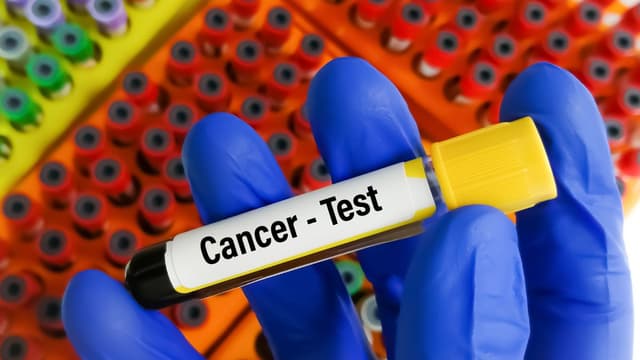
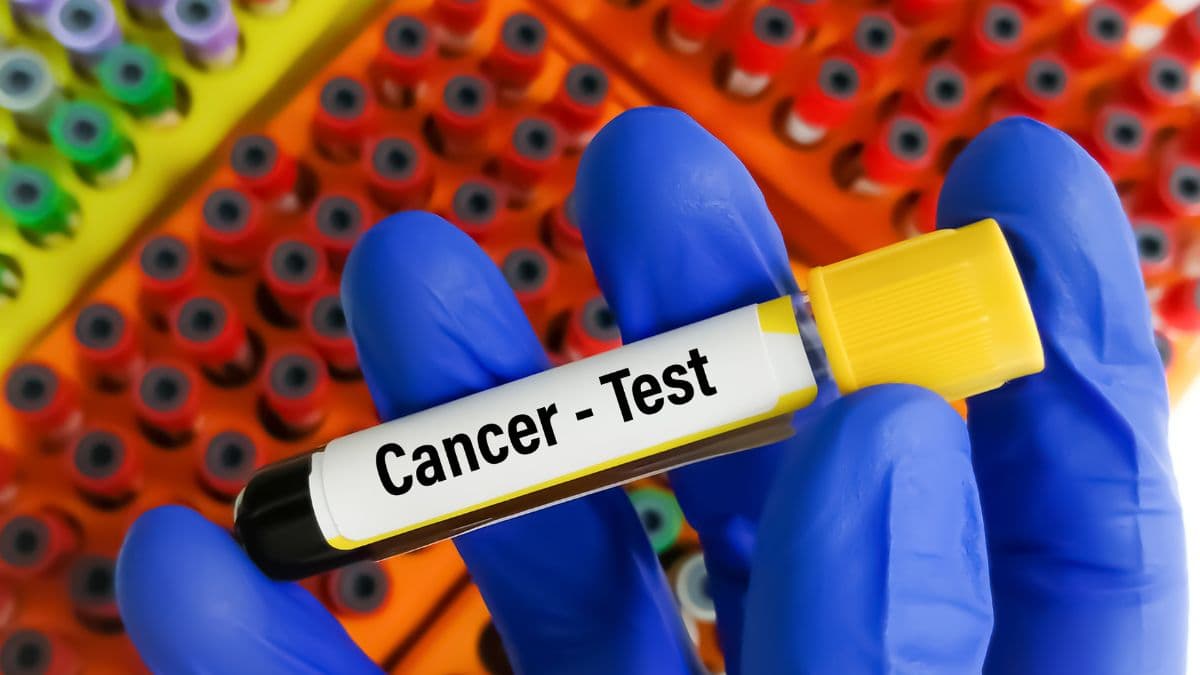
Cancer is one of the leading causes of death worldwide, but early detection can significantly improve treatment outcomes. Many types of cancer develop slowly and may not show symptoms in the early stages. This is why early cancer detection tests are crucial for identifying abnormalities before the disease progresses. When cancer is detected early, treatment options are often more effective, and survival rates improve significantly.
Regular cancer screening tests for adults help doctors detect potential health issues before symptoms appear. These screenings play a vital role in preventive healthcare and reduce the chances of late-stage diagnosis.
Preventive healthcare focuses on identifying diseases before they cause severe health problems. Preventive cancer screening helps doctors identify early signs of cancer, allowing timely intervention and better treatment outcomes.
Routine preventive health screening is recommended for adults based on age, medical history, and risk factors. These screenings help detect conditions early and guide doctors in recommending appropriate treatment plans.
Several lifestyle habits can increase the risk of cancer. Smoking, excessive alcohol consumption, poor diet, lack of exercise, and exposure to environmental toxins are some of the common factors linked to cancer development.
Understanding these risks helps individuals make healthier choices and participate in regular cancer screening programs. Maintaining a balanced lifestyle and undergoing regular screening can help reduce the chances of developing cancer.
Family history plays an important role in determining cancer risk. Individuals with a history of cancer in close relatives may have a higher likelihood of developing certain cancers.
In such cases, doctors often recommend personalized cancer risk assessment and early screening programs. These tests help detect abnormalities before symptoms develop and allow doctors to monitor health more closely.
Breast cancer is one of the most common cancers among women. Mammography is a widely recommended screening test used to detect early signs of breast cancer.
This imaging test can identify tumors before they become noticeable through physical symptoms. Regular mammograms are considered essential early cancer detection tests for women, particularly after the age of 40.
Cervical cancer screening involves tests such as the Pap smear and HPV test. These screenings help detect abnormal cell changes in the cervix before they develop into cancer.
Women are encouraged to undergo routine cancer screening tests as recommended by healthcare providers. Early detection allows doctors to treat abnormal cells before they become cancerous. complications.
Colorectal cancer screening is recommended for adults over the age of 45 or earlier for individuals with high-risk factors. Screening tests include stool tests, colonoscopy, and sigmoidoscopy.
These oncology diagnostic tests help detect polyps or abnormal growths in the colon that may develop into cancer over time. Early removal of polyps significantly reduces cancer risk.
Lung cancer screening is often recommended for individuals with a history of smoking or other high-risk factors. Low-dose CT scans can detect lung abnormalities before symptoms appear.
These tests are part of advanced early cancer detection programs that help identify cancer at a stage when treatment is more effective.
Age plays a crucial role in determining the timing of cancer screening. Many experts recommend starting certain screenings at specific ages based on risk levels and medical history.
For example, breast cancer screening typically begins around age 40, while colorectal cancer screening may start around age 45. These guidelines help ensure that individuals undergo routine cancer screening tests at the right time.
The frequency of cancer screening depends on individual risk factors and the type of screening test. Some tests may be recommended annually, while others may be performed every few years.
Many people ask how often cancer screening should be done, and doctors usually recommend personalized schedules based on health history and lifestyle factors.
One of the main advantages of preventive cancer screening is the ability to detect cancer before symptoms develop. Early detection increases the chances of successful treatment and reduces the need for aggressive therapies.
Many patients ask why early cancer screening is important, and the answer lies in the improved survival rates associated with early-stage diagnosis.
Early diagnosis allows doctors to begin treatment at an earlier stage when cancer is more manageable. Treatments such as surgery, radiation therapy, or medication can be more effective when the disease is detected early.
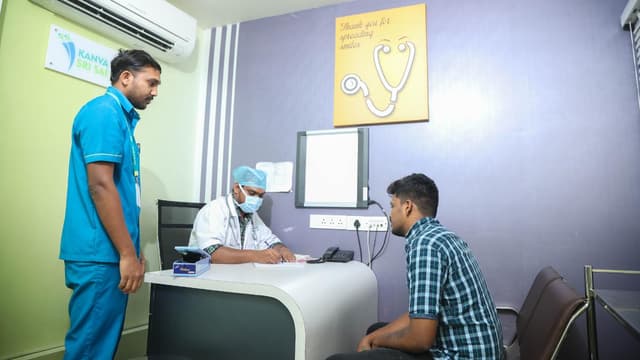
Healthcare providers at institutions such as Kanva Sri Sai encourage adults to participate in regular screening programs to support long-term health and to detect serious conditions early.
Each individual's cancer risk profile is different, which is why doctors recommend personalized screening plans. These plans are based on factors such as age, medical history, lifestyle habits, and genetic risk.
Consulting healthcare professionals helps determine what cancer screening tests adults should get and when they should be performed.
Regular medical check-ups are essential for maintaining long-term health. Routine screenings help doctors monitor health changes and identify potential issues early.
Participating in regular preventive health screening programs allows adults to take proactive steps toward protecting their health and preventing serious illnesses.
Cancer screening involves medical tests that help detect cancer or abnormal cells before symptoms appear.
Early cancer detection improves treatment success rates and helps prevent the disease from progressing to advanced stages.
Common screening tests include mammograms, Pap smears, colonoscopy, stool tests, and low-dose CT scans for lung cancer.
Screening age varies by cancer type, but many tests begin between ages 40 and 45, depending on risk factors.
The frequency depends on the type of test, age, medical history, and individual cancer risk factors.
People with a history of heavy smoking or high-risk exposure may be advised to undergo low-dose CT scans.