Short answer: Laparoscopic surgery pain level is generally mild to moderate and significantly lower compared to traditional open procedures.
Most patients asking "How painful is laparoscopic surgery?" are relieved to learn that discomfort is usually manageable with medication and improves within a few days.
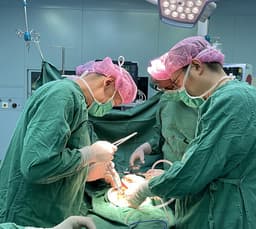
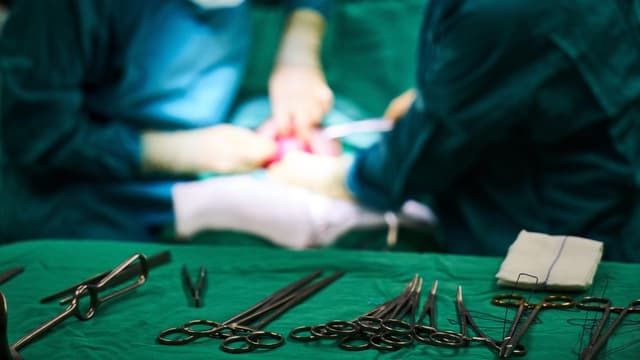
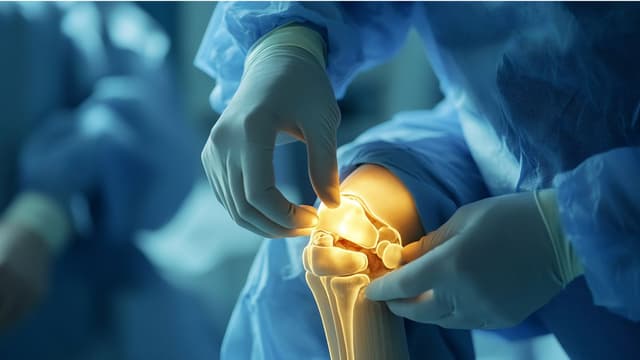
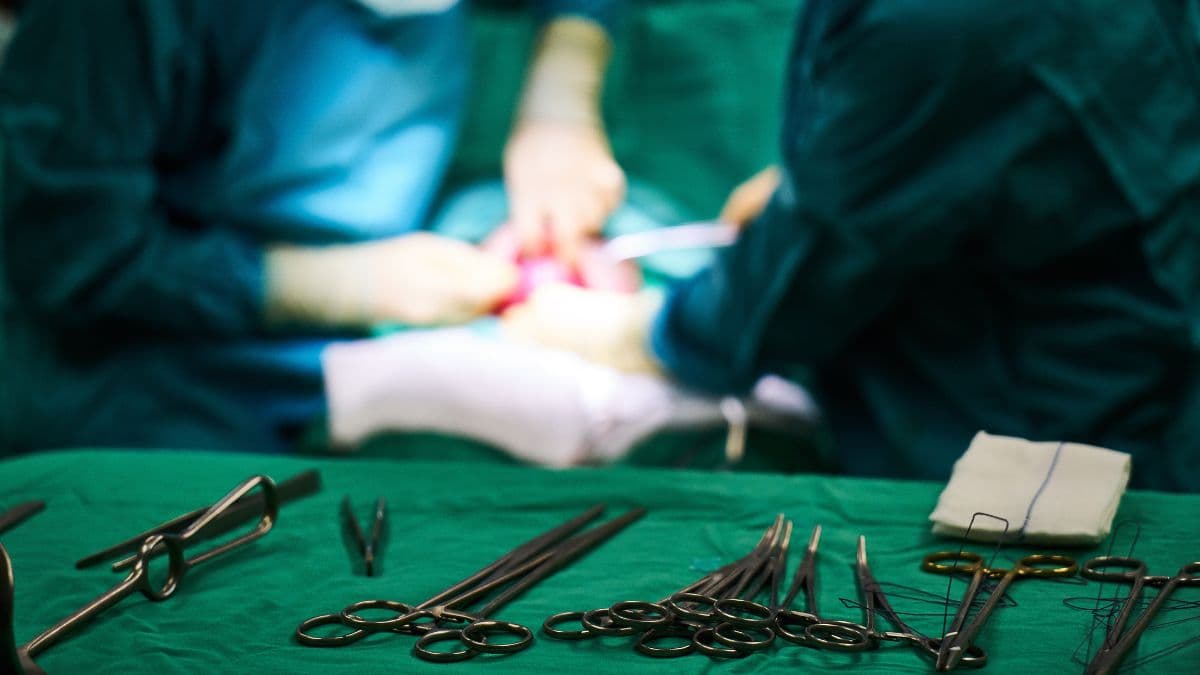
Laparoscopic surgery is a surgical technique that uses small incisions (usually 0.5–1 cm) and a tiny camera (laparoscope) to perform procedures inside the abdomen or pelvis.
Laparoscopy involves inserting a thin tube with a camera through small incisions to guide the surgeon. Specialized tools are used to complete the procedure safely.
It is known as minimally invasive surgery because it avoids large incisions. Smaller cuts mean:
Unlike open surgery, which requires a larger incision, laparoscopic surgery causes less trauma to muscles and surrounding tissues. That's why many patients researching "Does laparoscopic surgery hurt?" discover it is typically much less painful than expected.
Doctors recommend laparoscopy for diagnostic and therapeutic purposes, especially when a faster recovery time after laparoscopic surgery is important. Many patients treated at Kanva Sri Sai report quicker return to daily activities compared to traditional surgery.
Many people associate the word "surgery" with severe pain. Additionally, stories from older open procedures contribute to the misconception that laparoscopy is equally painful.
Search queries like "Is laparoscopy painful after surgery?" often reflect this fear.
Clinical studies consistently show that the pain of laparoscopic surgery recovery is significantly lower than that of open surgery. Patients often report manageable discomfort that responds well to standard pain relief medications.
On a standard pain scale:
This comparison answers the common question: "Which is more painful, open or laparoscopic surgery?"
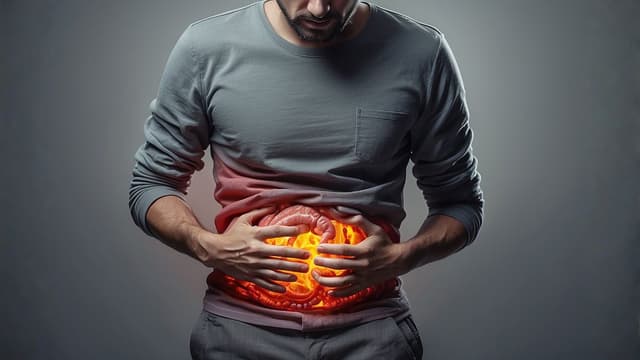
Pain after laparoscopic surgery is usually most noticeable during the first 24 hours. You may experience:
Pain is typically controlled with prescribed medications.
By day 3–5, most patients report significant improvement. Recovery pain gradually decreases, and many resume light activities within a week.
One of the most searched questions is: "Why does shoulder pain happen after a laparoscopy?"
During surgery, carbon dioxide gas is used to inflate the abdomen for better visibility. This gas can irritate the diaphragm.
The diaphragm shares nerve pathways with the shoulder. When irritated, the brain interprets the discomfort as shoulder pain, a phenomenon known as referred pain.
Shoulder pain usually lasts 24–72 hours and resolves on its own as the gas is absorbed by the body.
Many patients compare laparoscopic surgery vs open surgery pain before deciding.
Less tissue damage means less postoperative pain.
Open surgery may require 6–8 weeks.
Laparoscopic procedures usually involve:
Many modern surgical centers, including Kanva Sri Sai, prioritize minimally invasive approaches whenever suitable for the patient.
Another common concern: "How long does pain last after laparoscopic surgery?"
Pain should steadily decrease each day. If it worsens instead of improving, consult your doctor.
Seek medical advice if you experience:
Effective pain management after laparoscopic surgery ensures smoother healing.
Doctors may prescribe:
These medications control laparoscopic surgery recovery pain effectively.
Early movement reduces stiffness and speeds recovery. Many patients ask, "Can I walk the same day after surgery?" In most cases, yes, light walking is encouraged.
Tips to reduce pain after laparoscopy include:
Pain levels vary between individuals.
More complex surgeries may cause a slightly higher laparoscopic surgery pain level.
Scar tissue from earlier operations can increase discomfort.
Pain perception differs from person to person.
Conditions like diabetes or obesity may affect healing and recovery time after laparoscopic surgery.
Although minimally invasive surgery pain is usually manageable, certain symptoms require attention.
Pain that intensifies rather than improves may signal complications.
A fever above 101°F may indicate infection.
Excessive swelling at incision sites is not normal.
Watch for:
These may be laparoscopic surgery side effects requiring medical care.
No. Laparoscopic surgery vs open surgery pain comparisons show that laparoscopy is typically less painful.
Most pain improves within 3–7 days.
It results from carbon dioxide gas irritating the diaphragm.
No surgery is completely painless, but minimally invasive surgery is significantly less painful than open procedures.
Yes, light walking is often recommended to promote recovery.