
Chest pain in women should never be ignored. While chest pain can sometimes happen due to acidity, stress, muscle pain, or anxiety, it can also be a warning sign of a heart problem. The challenge is that heart-related symptoms in women are not always obvious.
Many women may not feel the classic severe chest pain that people usually associate with a heart attack. Instead, they may experience pressure, tightness, breathlessness, nausea, back pain, jaw pain, unusual tiredness, dizziness, or indigestion-like discomfort.
At Kanva Sri Sai Hospital, women with chest pain, breathlessness, palpitations, dizziness, or suspected heart symptoms can consult the Cardiology Department for timely evaluation and treatment guidance.
Chest pain in women is often mistaken for gas, acidity, stress, weakness, or tiredness. Many women also delay care because they are used to managing discomfort silently or prioritising family responsibilities over their own health.
This delay can be risky.
Heart symptoms in women may be mild, vague, or different from typical chest pain. Some women may feel heaviness in the chest, while others may only feel shortness of breath, sweating, nausea, or pain spreading to the shoulder, arm, neck, jaw, or upper back.
That is why any unusual chest discomfort should be checked, especially if it is new, repeated, or associated with other symptoms.
Chest pain is an important symptom, but it is not the only warning sign. Women may experience other symptoms that are easy to miss.
| Warning Sign | What It May Feel Like |
|---|---|
| Chest pressure or tightness | Heavy, squeezing, or uncomfortable feeling |
| Shortness of breath | Difficulty breathing even at rest |
| Pain in arm, back, neck, or jaw | Pain spreading beyond the chest |
| Nausea or vomiting | Can feel like gastric discomfort |
| Unusual tiredness | Extreme weakness without clear reason |
| Sweating | Cold sweat or sudden sweating |
| Dizziness | Light-headedness or fainting feeling |
| Indigestion-like pain | Burning, heaviness, or upper stomach discomfort |
If these symptoms appear suddenly, repeatedly, or along with chest discomfort, medical attention should not be delayed.
Heart-related chest pain does not always feel sharp. It may feel like:
Some women may feel symptoms while resting or sleeping. Others may notice discomfort during physical activity or emotional stress.
Many people confuse chest pain with acidity. Sometimes acidity can cause burning in the chest, sour burps, or discomfort after food. But heart-related pain can also feel like indigestion.
This is why self-diagnosis is risky.
| Symptom | Acidity May Feel Like | Heart Problem May Feel Like |
|---|---|---|
| Chest discomfort | Burning after meals | Pressure, heaviness, tightness |
| Pain location | Upper stomach or chest | Chest, arm, jaw, back, shoulder |
| Trigger | Spicy food, lying down | Walking, stress, exertion, sometimes rest |
| Associated symptoms | Burping, sour taste | Breathlessness, sweating, dizziness |
| Relief | May improve with antacid | May not improve with antacid |
If chest discomfort comes with sweating, breathlessness, dizziness, nausea, arm pain, jaw pain, or unusual weakness, treat it as urgent and seek medical care.
You should consult a doctor if chest pain is new, repeated, unexplained, or getting worse. Even mild chest discomfort should be evaluated if you have risk factors such as diabetes, high blood pressure, obesity, smoking, high cholesterol, kidney disease, or family history of heart disease.
Visit a doctor if you have:
Early evaluation can help detect heart problems before they become serious.
Chest pain may need emergency care if it is severe, sudden, or associated with red flag symptoms.
Visit the emergency department immediately if you have:
Do not wait at home to see if it settles. In heart-related emergencies, early treatment can save heart muscle and reduce complications.
Some women have a higher risk of heart disease and should take chest pain more seriously.
Higher-risk groups include:
If you belong to any of these groups, do not ignore chest discomfort, breathlessness, or unusual fatigue.
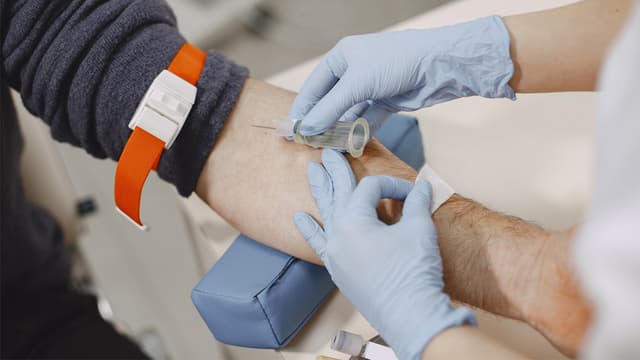
The tests depend on symptoms, age, risk factors, and clinical condition.
Common tests may include:
| Test | Why It Is Done |
|---|---|
| ECG | Checks heart rhythm and signs of heart strain |
| Troponin Test | Helps detect heart muscle injury |
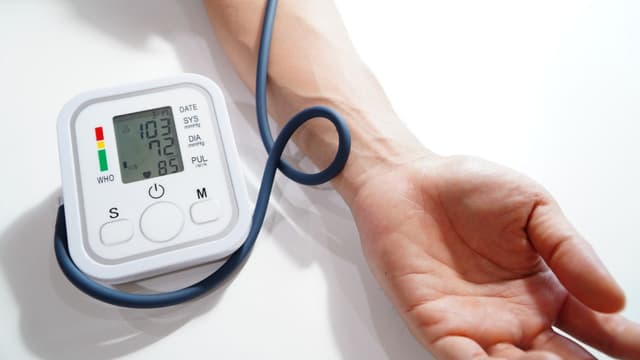
| Blood Pressure Check | Identifies high BP-related risk |
| Blood Sugar Test | Checks diabetes-related heart risk |
| Lipid Profile | Checks cholesterol levels |
| Echocardiogram | Evaluates heart structure and pumping |
| TMT / Stress Test | Assesses heart function during activity |
| Chest X-ray | May help check lung or chest-related causes |
A cardiologist will decide which tests are needed after examining the patient.
Avoid these mistakes when chest pain occurs:
Chest pain should be checked properly, especially when symptoms are unusual or repeated.
Heart health can be protected with regular checkups and lifestyle changes.
Helpful steps include:
Women with existing diabetes, BP, cholesterol, or kidney disease should follow up regularly with their doctor.
You should visit Kanva Sri Sai Hospital if you have chest pain, chest tightness, breathlessness, palpitations, dizziness, sweating, or pain spreading to the arm, back, jaw, neck, or shoulder.
The Cardiology Department can help evaluate symptoms, identify possible heart-related causes, and guide the right treatment. If symptoms are severe, emergency care should be taken immediately.
Kanva Sri Sai Hospital also provides support through General Medicine, Emergency Care, Diagnostics, and other speciality departments when needed.
No. Chest pain can happen due to acidity, muscle pain, stress, lung problems, or other causes. But heart-related causes must be ruled out, especially if symptoms are new, repeated, or severe.
Women may have chest pressure, breathlessness, nausea, sweating, dizziness, unusual tiredness, and pain in the arm, back, neck, jaw, or shoulder.
Yes. In some women, heart-related discomfort may feel like indigestion, upper stomach pain, or acidity. If it comes with sweating, breathlessness, dizziness, or arm/jaw pain, seek urgent care.
Chest pain should be treated as an emergency if it is severe, lasts more than a few minutes, comes back repeatedly, spreads to the arm or jaw, or is associated with sweating, breathlessness, fainting, or vomiting.
You should consult the Cardiology Department. If symptoms are sudden or severe, visit emergency care immediately.
Chest pain in women should not be dismissed as acidity, stress, or tiredness without proper evaluation. Women may experience heart symptoms differently, and warning signs can be subtle.
Chest pressure, breathlessness, nausea, sweating, dizziness, unusual tiredness, or pain spreading to the arm, back, neck, jaw, or shoulder should be taken seriously.
If you or a family member has chest pain or warning signs of a heart problem, visit Kanva Sri Sai Hospital for timely cardiac evaluation and care.