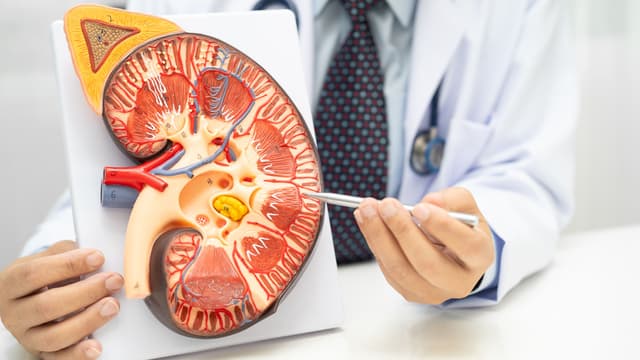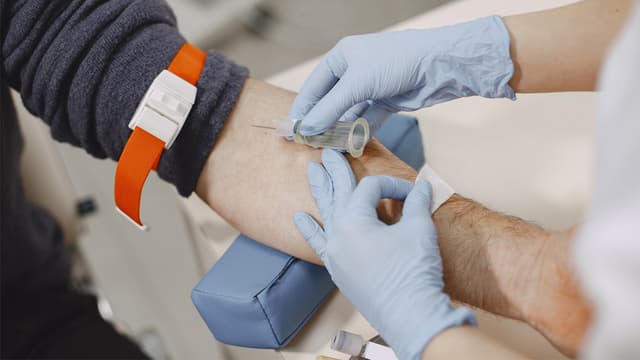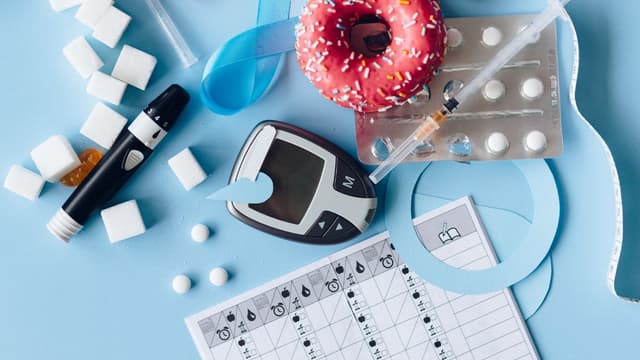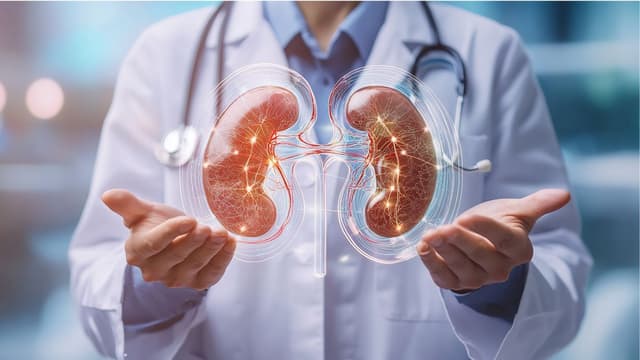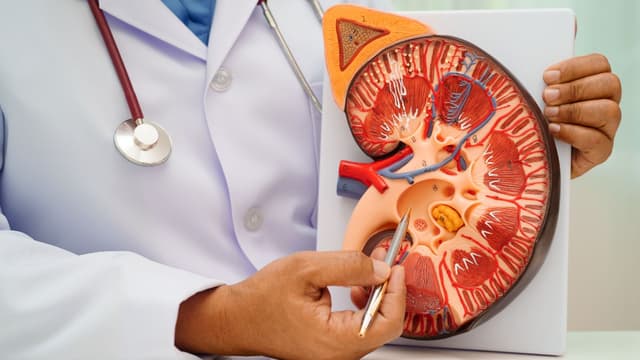
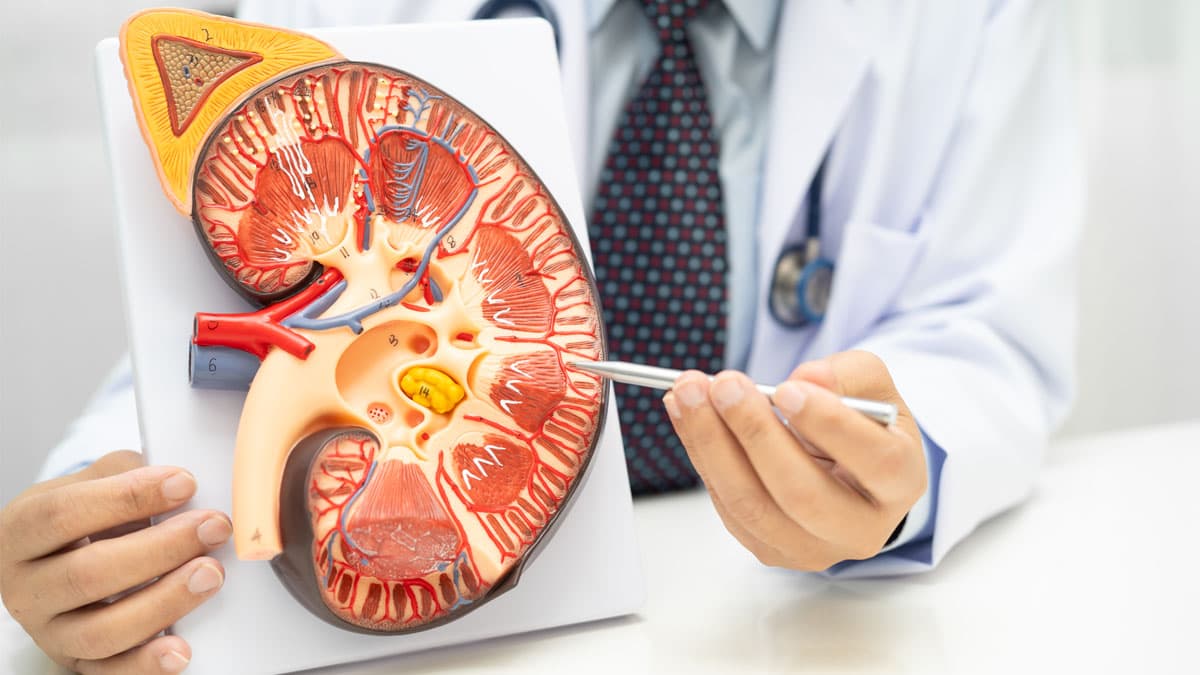
Creatinine is a waste product produced by normal muscle activity. Healthy kidneys filter creatinine from the blood and remove it through urine. When creatinine levels become high, it may mean the kidneys are not filtering waste properly.
A single high creatinine value does not always mean kidney failure. It may happen due to dehydration, certain medicines, high protein intake, intense exercise, infection, or kidney-related disease. But if creatinine remains high or keeps increasing, it should not be ignored.
At Kanva Sri Sai Hospital, patients with high creatinine levels, swelling, reduced urine, diabetes-related kidney concerns, high blood pressure, and suspected kidney disease can consult the Nephrology Department for timely evaluation and treatment guidance.
Creatinine is a waste substance made when muscles use energy. It enters the blood and is filtered by the kidneys. The body usually removes creatinine through urine.
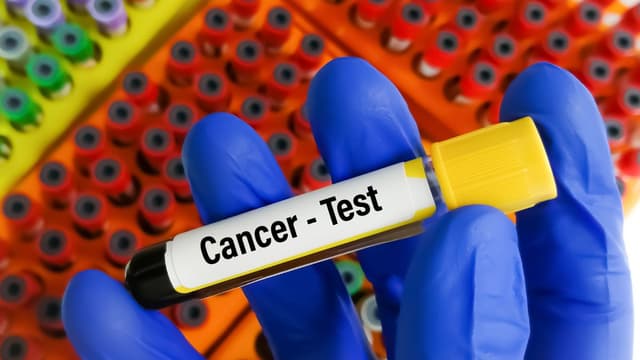
When kidney function reduces, creatinine may start building up in the blood. This is why doctors commonly use serum creatinine tests to understand kidney function.
However, creatinine level alone is not enough to judge kidney health. Doctors usually check creatinine along with eGFR, urine tests, blood pressure, medical history, and symptoms.
High creatinine may suggest that the kidneys are not filtering blood properly. It may be linked to acute kidney injury or chronic kidney disease. In some cases, creatinine may rise temporarily due to dehydration, fever, infection, or medication use.
That is why it is important to repeat tests and consult a kidney specialist if the level is high or increasing.
Common causes of high creatinine include:
A nephrologist can identify whether the rise is temporary or related to kidney damage.
Creatinine levels can vary depending on age, sex, body size, muscle mass, diet, and health condition. A value that looks high for one person may not mean the same for another.
Instead of looking only at creatinine, doctors usually calculate eGFR. eGFR stands for estimated glomerular filtration rate. It helps estimate how well the kidneys are filtering blood.
| Test | What It Helps Understand |
|---|---|
| Serum Creatinine | Waste level in blood |
| eGFR | Kidney filtering capacity |
| Urine Albumin | Protein leakage in urine |
| Blood Pressure | Kidney and heart risk |
| Ultrasound KUB | Kidney size, stones, or obstruction |
This is why kidney evaluation should be done as a complete assessment, not based on one number alone.
Early kidney problems may not cause clear symptoms. Many patients discover high creatinine only during routine blood tests.
As kidney function worsens, symptoms may appear gradually.
Common symptoms include:
These symptoms should not be ignored, especially if the patient has diabetes, high blood pressure, kidney stones, or a history of kidney disease.
You should visit a nephrologist if your creatinine level is repeatedly high or increasing. You should also consult a kidney doctor if creatinine is high along with symptoms such as swelling, reduced urine, breathlessness, vomiting, or uncontrolled blood pressure.
Visit a kidney doctor if you have:
Early consultation can help slow kidney damage and prevent complications.
Diabetes is one of the common causes of kidney disease. High blood sugar can damage small blood vessels in the kidneys over time. This may lead to protein leakage in urine and gradual reduction in kidney function.
People with diabetes should not wait for symptoms. Kidney damage can start silently.
Diabetic patients should regularly check:
If a diabetic patient has high creatinine or protein in urine, a nephrologist consultation is important.
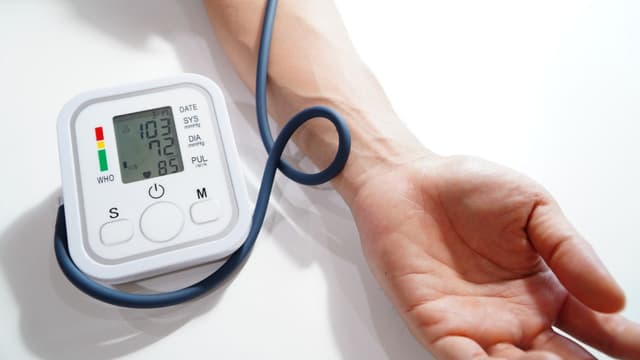
High blood pressure can damage kidney blood vessels. At the same time, kidney disease can also increase blood pressure. This creates a harmful cycle.
If blood pressure remains high despite medicines, or if creatinine is rising along with high BP, kidney evaluation is needed.
Warning signs include:
Controlling blood pressure is one of the most important steps in protecting kidney function.
A nephrologist may recommend tests based on your symptoms and previous reports.
Common tests include:
| Test | Purpose |
|---|---|
| Serum Creatinine | Checks creatinine level in blood |
| eGFR | Estimates kidney filtering ability |
| Urine Routine | Checks infection, blood, protein, and sugar |
| Urine Albumin-Creatinine Ratio | Detects early kidney damage |
| Blood Urea | Checks waste buildup |
| Electrolytes | Checks sodium, potassium, and other salts |
| Ultrasound KUB | Looks for stones, obstruction, or kidney size changes |
| Blood Sugar and HbA1c | Checks diabetes control |
| Blood Pressure Monitoring | Checks kidney-related BP risk |
These tests help the doctor understand the cause and severity of kidney dysfunction.
No. High creatinine does not always mean dialysis.
Many patients with high creatinine can be managed with medicines, diet changes, hydration correction, blood pressure control, diabetes control, and regular monitoring.
Dialysis is usually considered only when kidney function is severely reduced or when the patient develops serious complications such as fluid overload, very high potassium, severe breathlessness, uncontrolled vomiting, or advanced kidney failure.
The goal of early nephrology care is to protect kidney function and delay or prevent worsening.
If your creatinine is high, do not make major diet or medicine changes without medical advice.
Avoid these common mistakes:
Some medicines and supplements can affect kidney function. Always carry your current medicine list when visiting a nephrologist.
Diet advice depends on kidney function, potassium level, sodium level, diabetes, blood pressure, and stage of kidney disease. A kidney diet should be personalized.
General kidney-friendly habits include:
Patients with advanced kidney disease may need specific restrictions on protein, potassium, phosphorus, and fluid intake. This should be guided by a nephrologist or renal dietitian.
Visit the hospital immediately if high creatinine is associated with:
These may indicate serious kidney dysfunction or complications that need urgent treatment.
You can visit Kanva Sri Sai Hospital if you have high creatinine levels or symptoms suggesting kidney problems. The Nephrology Department can help evaluate kidney function, identify the cause, and guide treatment.
You should consult if you have:
Kanva Sri Sai Hospital also provides support through diagnostics, dialysis care, emergency care, and other speciality departments when required.
There is no single dangerous number for everyone. The risk depends on eGFR, symptoms, urine output, age, diabetes, blood pressure, and whether creatinine is rising quickly. A nephrologist should review repeatedly high or increasing creatinine.
Yes, in some cases. If creatinine is high due to dehydration, infection, medication effects, or temporary kidney injury, it may improve with proper treatment. Chronic kidney disease needs long-term monitoring.
You should consult a nephrologist, also called a kidney doctor. They specialize in kidney function, high creatinine, chronic kidney disease, dialysis care, and kidney-related blood pressure issues.
No. High creatinine does not always mean kidney failure. It means kidney function needs evaluation. The cause may be temporary or chronic.
Some painkillers can affect kidney function, especially when taken frequently or without medical advice. If your creatinine is high, speak to a doctor before taking pain medicines.
High creatinine levels should not be ignored, especially if they are repeated or increasing. It may be an early sign that the kidneys are under stress or not filtering waste properly.
The earlier kidney problems are detected, the better the chances of controlling the cause and slowing further damage.
If you have high creatinine, swelling, reduced urine, diabetes, high blood pressure, or abnormal kidney test results, visit Kanva Sri Sai Hospital for nephrology consultation and timely kidney care.