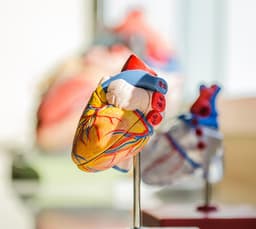


Swollen feet and breathlessness can be a heart problem, especially when they happen together. This combination may suggest fluid buildup because the heart is not pumping efficiently, but it can also be linked to kidney, lung, thyroid, blood, or circulation issues. If the symptoms are new, worsening, or linked with chest discomfort, medical evaluation should not be delayed.
At Kanva Sri Sai Hospital, doctors often advise patients not to ignore symptoms like ankle swelling, shortness of breath, unusual fatigue, and sudden weight gain, especially when they occur together. Globally, cardiovascular diseases remain the leading cause of death, taking an estimated 17.9 million lives each year. That is why symptoms such as shortness of breath, ankle swelling, fatigue, and sudden weight gain should be taken seriously, particularly in people with diabetes, high blood pressure, obesity, or a family history of heart disease.
Swollen feet occur when excess fluid collects in the tissues of the feet, ankles, or legs. Breathlessness happens when the lungs, heart, blood, or muscles are not meeting the body’s oxygen demand properly.
When both symptoms appear together, one possible cause is heart failure, where the heart cannot pump blood as effectively as the body needs. The CDC lists shortness of breath, tiredness, and swelling in the feet, ankles, legs, stomach, or neck veins as common heart failure symptoms.
However, swollen feet and breathlessness are not always caused by the heart. Other possible reasons include anemia, kidney disease, lung infection, asthma, thyroid imbalance, liver disease, pregnancy, side effects of medicines, or prolonged sitting.
Yes, swollen feet and breathlessness can be heart failure symptoms, especially when they develop gradually and worsen over time. Heart failure does not mean the heart has stopped; it means the heart is too weak or stiff to pump blood efficiently.
When the heart struggles to pump, blood flow may slow down, and fluid can collect in the lower body. This may cause swelling in both feet or ankles, tight footwear, visible sock marks, or heaviness in the legs.
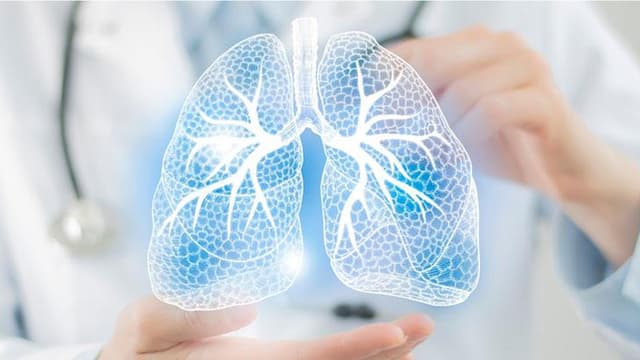
Breathlessness may happen because fluid can build up in or around the lungs. Mayo Clinic notes that fluid buildup from heart failure can cause shortness of breath and swelling in the legs and feet.
You should be more careful if swollen feet and breathlessness are linked with:
Swollen feet after standing for many hours may not always be serious. But swollen feet and breathlessness should be treated as urgent when breathing becomes difficult, swelling increases quickly, or symptoms appear with chest pain.
Use this simple checklist to understand the warning level before seeking care.
| Symptom Pattern | Possible Concern | Action Needed |
|---|---|---|
| Mild swelling after long standing, no breathing issue | Posture, heat, salt intake, or mild fluid retention | Rest, elevate legs, monitor |
| Both feet swollen with breathlessness while walking | Possible heart, kidney, lung, or anemia-related issue | Book a doctor consultation |
| Breathlessness while lying down or sleeping | Possible fluid overload or heart strain | Seek medical review soon |
| One leg swollen, painful, red, or warm | Possible clot or infection | Get urgent care |
| Chest pain with breathlessness and sweating | Possible cardiac emergency | Visit emergency care immediately |
This table is only a guide. A doctor must examine the patient and decide whether the case needs cardiology, general medicine, diagnostics, or emergency care. At Kanva Sri Sai Hospital, patients with these symptoms can be evaluated through multiple departments when the cause is not immediately clear.
Doctors usually begin with a physical examination, a blood pressure reading, an oxygen saturation check, a heart rate assessment, and an evaluation of swelling. They may ask when the symptoms started, whether the swelling affects one or both legs, and whether breathlessness occurs at rest, with walking, when climbing stairs, or when lying down.
Common tests may include:
In a multi-specialty hospital like Kanva Sri Sai, this evaluation becomes more practical because cardiology, general medicine, diagnostics, laboratory services, and emergency care can work together. This is useful because the same symptoms may have different causes in different patients.
Some patients should take swollen feet and breathlessness more seriously because their risk of heart disease is higher. These include people with long-standing high BP, diabetes, kidney disease, high cholesterol, smoking history, obesity, or previous heart problems.
Bengaluru patients with desk jobs may also ignore early warning signs because fatigue and breathlessness are often blamed on stress, poor sleep, or lack of exercise. But breathlessness while doing simple activities like walking inside the house, climbing one floor, or lying flat should not be dismissed.
Risk is also higher after 40, during pregnancy complications, after major surgery, and in people taking certain medicines that can cause fluid retention. A medical review helps separate simple swelling from a deeper circulation or heart-related issue.
Do not start water tablets, BP medicines, or heart medicines on your own. These medicines can affect kidney function, salt balance, blood pressure, and heart rhythm if used incorrectly.
Before visiting the doctor, note these details:
For prevention, maintain regular BP and sugar checks, reduce excess salt, stay active, avoid smoking, manage weight, and do annual health screening if you have risk factors. Early diagnosis at Kanva Sri Sai Hospital can help patients identify the cause before symptoms become severe.
Swollen feet and breathlessness can be a heart problem, especially when both symptoms appear together or worsen over time. They may also point to kidney, lung, thyroid, blood, or circulation problems, so proper testing is important.
Actionable takeaways:
At Kanva Sri Sai Hospital, patients in and around Nandini Layout, Bengaluru, can consult doctors for heart-related warning signs, breathing difficulty, swelling, and diagnostic evaluation.
No. Swelling may come from standing, travel, pregnancy, medicines, kidney issues, thyroid disease, or heart-related fluid buildup.
Worry if symptoms are sudden, worsening, happen at rest, or appear with chest pain, dizziness, or fast heartbeat.
Yes. Long-term uncontrolled BP can strain the heart and may lead to fluid retention and breathing difficulty.
Start with a general physician or cardiologist. Go to emergency care if breathing difficulty or chest pain is severe.
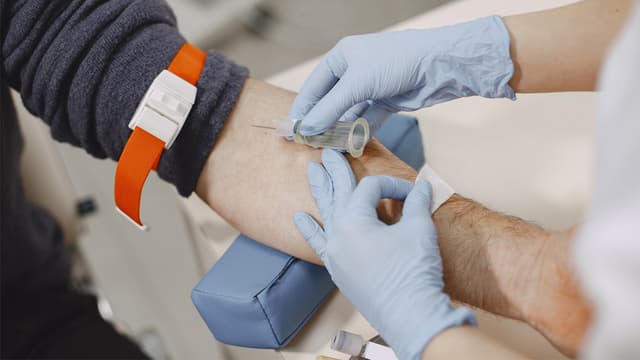
Doctors may suggest an ECG, an echocardiogram, a chest X-ray, kidney tests, thyroid tests, hemoglobin, and cardiac blood markers.