

Numbness and tingling are common symptoms that many people experience at some point. But is numbness and tingling a nerve problem, or could it be something else? In many cases, these sensations are harmless and temporary. However, persistent or sudden symptoms may indicate an underlying neurological or medical condition that requires attention.
This guide provides a medical explanation of numbness and tingling, including causes, warning signs, diagnosis, and treatment options.
Numbness is a reduced or complete loss of sensation in a part of the body. You may feel unable to sense touch, temperature, or pain. It often affects the hands, feet, arms, or legs.
"Pins and needles" describes a prickling or tingling sensation in the body. The medical term for this feeling is paresthesia. Many people ask, what causes pins and needles? Most commonly, it happens when pressure temporarily compresses a nerve.
Temporary numbness usually resolves within minutes once pressure is relieved. Chronic tingling in the feet or persistent numbness in the hands and feet may suggest nerve irritation, poor circulation, or a systemic condition.
There are several possible causes, ranging from mild to serious.
Neurological causes of tingling sensations are among the most frequent explanations.
Peripheral neuropathy occurs when peripheral nerves are damaged. Common peripheral neuropathy symptoms include burning pain, weakness, and chronic tingling in the feet or hands. Diabetes is the leading cause.
A compressed nerve in the neck or back can lead to tingling sensations in the body.
This occurs when a spinal nerve root becomes inflamed or compressed.
Carpal tunnel syndrome affects the wrist and can cause numbness in the hands, especially at night.
Reduced blood flow can temporarily limit oxygen supply to nerves.
If symptoms frequently recur or worsen, evaluation by a specialist is important. At Kanva Sri Sai, patients experiencing persistent numbness in the hands and feet are carefully assessed to determine whether the cause is vascular or neurological.
Can a vitamin deficiency cause tingling? Yes.
Vitamin B12 deficiency can damage nerves over time. Electrolyte imbalances may also trigger abnormal nerve signaling.
Diabetes:- Diabetes is a major cause of peripheral nerve damage.
Multiple sclerosis: -Multiple sclerosis can cause sudden numbness and tingling.
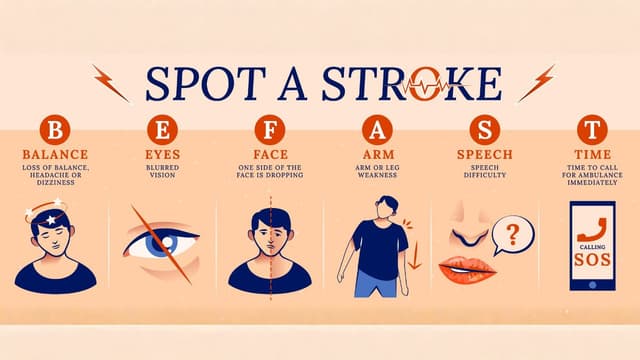
Stroke:- A stroke may cause sudden numbness on one side of the body.
Early diagnosis plays a critical role in preventing complications. Specialists at Kanva Sri Sai emphasize identifying underlying systemic causes before symptoms progress.
According to Dr. Jayanth S S, Consultant Neurologist at Kanva Sri Sai, persistent numbness, progressive weakness, or recurrent tingling sensations should never be ignored. Early neurological evaluation can significantly improve treatment outcomes and prevent long-term nerve damage.
Not always.
| Feature | Likely Nerve Problem | Likely Temporary Cause |
|---|---|---|
| Duration | Persistent | Resolves quickly |
| Weakness | Present | Absent |
| Recurrence | Frequent | Occasional |
If you're wondering, is numbness always neurological? The answer is no, but ongoing symptoms need evaluation.
Doctors begin with a physical examination and neurological assessment.
Nerve conduction studies help confirm peripheral neuropathy symptoms. Blood tests identify diabetes or a vitamin deficiency. MRI or CT scans detect structural causes.
As explained by Dr. Jayanth S S at Kanva Sri Sai, combining clinical evaluation with diagnostic testing ensures accurate identification of nerve damage symptoms and helps tailor treatment effectively.
Treatment depends on the underlying cause:
Numbness and tingling are often temporary and harmless, but persistent or sudden symptoms may signal an underlying nerve or medical condition such as Peripheral neuropathy, Diabetes, or even Stroke. If symptoms are ongoing, worsening, or accompanied by weakness or speech difficulty, prompt medical evaluation is essential. Early diagnosis helps prevent complications and ensures proper treatment.
Numbness and tingling are commonly caused by nerve compression, poor circulation, vitamin deficiencies, or conditions like diabetes and peripheral neuropathy.
No, it can also occur due to temporary pressure on nerves, anxiety, dehydration, or circulation issues.
Pins and needles, medically called paresthesia, is a tingling feeling usually caused by temporary nerve pressure.
Persistent, worsening, or sudden numbness accompanied by weakness or speech difficulty requires immediate medical attention.
Yes, deficiencies such as low vitamin B12 can damage nerves and cause tingling sensations.