
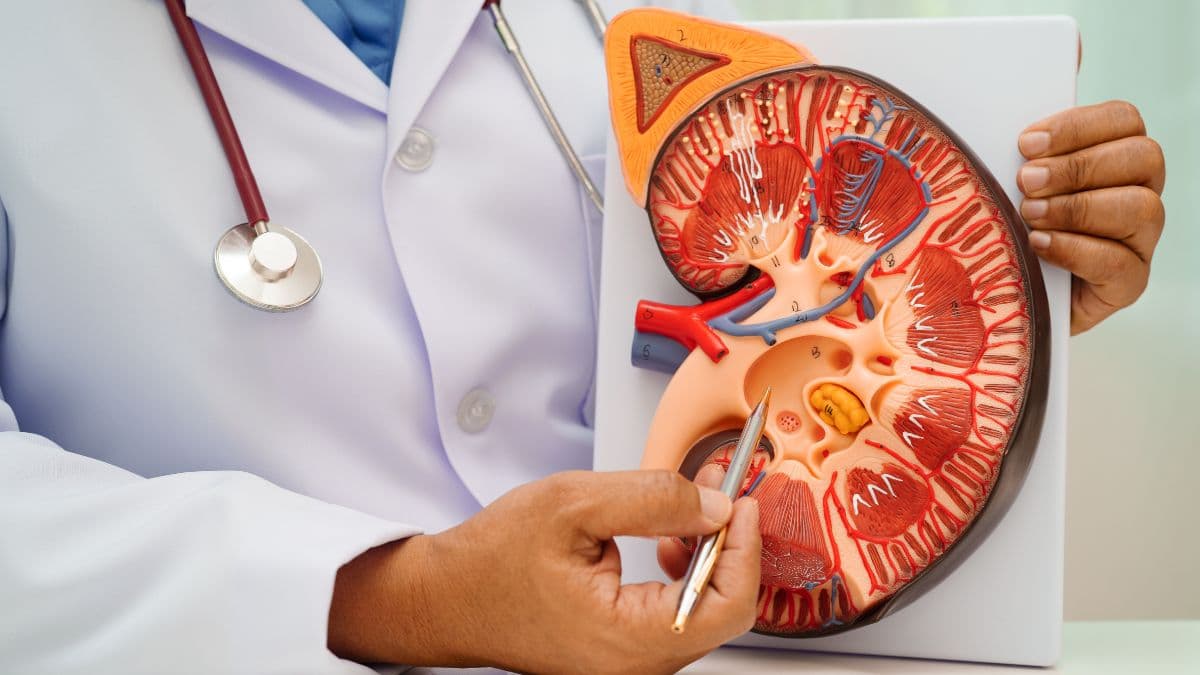
Dialysis is a medical treatment that helps remove waste, excess fluids, and toxins from the blood when the kidneys can no longer perform these functions effectively. In patients with advanced kidney disease or renal failure, dialysis acts as an artificial filtration system, maintaining the body's chemical balance and supporting overall health. Proper kidney dialysis care is essential for managing symptoms and improving the quality of life for patients with chronic kidney conditions.
For individuals experiencing kidney failure, dialysis becomes a crucial part of renal failure management. Regular treatment helps maintain electrolyte balance and prevents complications related to toxin buildup in the bloodstream.
There are two primary types of dialysis used in modern kidney failure treatment: hemodialysis and peritoneal dialysis. Hemodialysis uses a specialized machine to filter blood outside the body, while peritoneal dialysis uses the lining of the abdomen to remove waste internally.
Both treatment methods are part of comprehensive dialysis center treatment programs designed to support patients with chronic kidney disease. The choice of treatment depends on the patient's medical condition, lifestyle, and the doctor's recommendations.
Fatigue is one of the most common challenges faced by dialysis patients. Treatment sessions can affect energy levels, making it important for patients to maintain balanced daily routines. Adequate rest, regular sleep patterns, and proper nutrition play a major role in effective dialysis patient care.
Patients undergoing dialysis treatment in Bangalore should also follow their doctor's advice regarding medication and lifestyle changes to maintain optimal health during treatment.
Dialysis access sites, such as fistulas or catheters, require careful hygiene and monitoring to prevent infections. Keeping the access area clean and following proper care instructions helps reduce complications during treatment.
At healthcare facilities like Kanva Sri Sai, medical teams provide specialized guidance on kidney dialysis, ensuring patients understand how to safely maintain their access site between sessions.
Nutrition plays a vital role in supporting dialysis patients. A well-balanced kidney dialysis diet typically includes high-quality protein, controlled sodium intake, and foods that support overall kidney health.
Doctors often recommend foods such as lean proteins, fresh vegetables, and whole grains to help patients maintain energy and support recovery during dialysis.
Certain foods should be limited during dialysis treatment. Patients are often advised to reduce sodium, potassium, and phosphorus intake to prevent complications. Many people ask what foods dialysis patients should avoid, and common recommendations include processed foods, high-salt snacks, and certain high-potassium fruits.
Following a carefully planned diet helps support long-term kidney health monitoring and improves treatment outcomes.
Managing fluid intake is essential for dialysis patients because damaged kidneys cannot effectively remove excess fluid. Doctors typically recommend controlled hydration levels to prevent swelling, high blood pressure, or breathing difficulties.
Proper fluid management is a key part of dialysis patient care and helps prevent complications associated with kidney disease.
Regular physical activity can help dialysis patients maintain muscle strength, improve circulation, and boost overall well-being. Light exercises such as walking, stretching, and yoga may support recovery and improve energy levels.
Patients undergoing dialysis treatment in Bangalore should consult healthcare professionals before starting any exercise routine to ensure safety.
Regular monitoring of blood pressure and kidney function is crucial during dialysis treatment. Doctors evaluate blood pressure levels, electrolyte balance, and overall health to ensure that dialysis is working effectively.
Continuous kidney health monitoring helps doctors adjust treatment plans and prevent complications associated with chronic kidney disease.
Dialysis patients should be aware of warning signs such as severe fatigue, swelling, difficulty breathing, or unusual changes in weight. These symptoms may indicate complications that require immediate medical attention.
Recognizing these signs early supports effective renal failure management and helps prevent serious health risks.
Living with chronic kidney disease and dialysis can be emotionally challenging. Patients may experience stress, anxiety, or uncertainty about their health. Support from healthcare professionals, family members, and counseling services can help patients cope with these challenges.
Mental health support is an important aspect of comprehensive dialysis patient care, helping patients maintain emotional balance during long-term treatment.
Strong support systems play a crucial role in managing kidney disease. Family members and healthcare providers help ensure that patients follow treatment schedules, maintain proper diets, and attend regular medical check-ups.
Collaborative care improves overall outcomes for patients receiving dialysis center treatment.
Patients undergoing dialysis should consult a specialist if they experience persistent swelling, severe fatigue, or changes in urine output. These symptoms may indicate complications requiring medical attention.
Many people wonder when kidney patients should see a nephrologist, and regular specialist consultations are essential for managing chronic kidney disease effectively.
Consistent dialysis sessions and routine medical check-ups are essential for maintaining health in patients with kidney failure. Doctors monitor treatment progress, adjust dialysis schedules, and evaluate overall kidney health.
Regular follow-ups and adherence to treatment plans help ensure effective kidney failure treatment and improve long-term patient outcomes.
Dialysis is a medical treatment that removes waste and excess fluids from the blood when the kidneys cannot function properly.
The two main types are hemodialysis, which filters blood through a machine, and peritoneal dialysis, which uses the abdominal lining.
Most patients require dialysis about three times a week, depending on their medical condition and the doctor's advice.
Dialysis patients should limit foods high in sodium, potassium, and phosphorus, such as processed foods and salty snacks.
Yes, light activities like walking and stretching can help improve strength and overall well-being during dialysis treatment.
Managing fluid intake helps prevent swelling, high blood pressure, and breathing difficulties caused by fluid buildup.