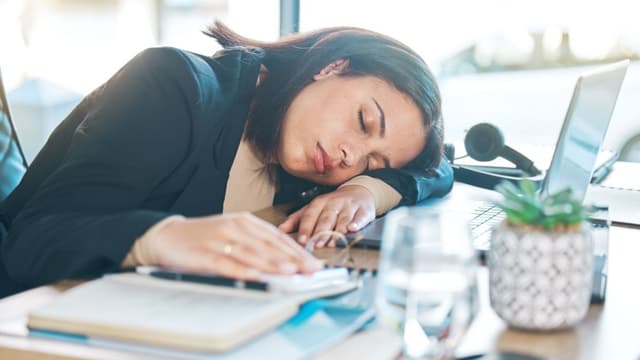


Sitting for long hours has become a normal part of daily life, especially for working professionals in Bangalore. Whether you are working from an office, attending meetings, or using your laptop at home, your body often stays in the same position for extended periods. While this may feel comfortable in the short term, sitting for more than 8–10 hours daily can seriously affect your spine health.
Many people ignore early warning signs like back pain or stiffness, assuming they are temporary. However, prolonged sitting can gradually lead to chronic spine issues if not addressed in time.
Your spine is designed for movement, not long periods of inactivity. When you sit continuously, especially with poor posture, it puts excessive pressure on your spinal discs.
Over time, this pressure can lead to:
Sitting also weakens the core muscles that support your spine, making it more vulnerable to injury and long-term damage.
In cities like Bangalore, long working hours and sedentary lifestyles are major contributors to spine problems. Many professionals spend most of their day sitting in front of screens, followed by long commutes and minimal physical activity.
Work-from-home culture has made things worse. Improper seating arrangements, lack of ergonomic furniture, and reduced movement throughout the day increase the risk of spinal issues.
Additionally, stress and lack of exercise further weaken the muscles that support your back.
Understanding the difference between a healthy spine and one affected by prolonged sitting can help you identify early warning signs.
| Factor | Healthy Spine | Spine Under Stress |
|---|---|---|
| Posture | Upright and balanced | Slouched or forward-leaning |
| Pain Levels | Minimal or none | Frequent back or neck pain |
| Flexibility | Good mobility | Stiffness and tightness |
| Muscle Strength | Strong core support | Weak back and core muscles |
| Daily Comfort | Comfortable sitting/standing | Discomfort during routine tasks |
Spine-related issues often start with mild discomfort and gradually worsen. Many people experience lower back pain after long working hours, which improves with rest. However, recurring pain is a warning sign.
Other symptoms include neck pain, shoulder tightness, tingling in the arms or legs, and difficulty maintaining posture. Ignoring these symptoms can lead to chronic conditions such as slipped discs or nerve compression.
People who sit for long hours without breaks are at the highest risk. This includes IT professionals, desk workers, students, and individuals working from home.
Those using non-ergonomic chairs or working from beds and sofas are more likely to develop posture-related issues. Individuals with obesity or lack of physical activity also face higher risk due to increased pressure on the spine.
Protecting your spine requires simple but consistent changes in your daily routine.
Taking short breaks every 30–45 minutes to stand, stretch, or walk helps reduce pressure on the spine. Maintaining proper posture while sitting—keeping your back straight and shoulders relaxed—is equally important.
Using an ergonomic chair with proper back support can make a significant difference. Regular exercise, especially core-strengthening activities, helps maintain spinal stability.
Simple habits like adjusting your screen to eye level and avoiding prolonged laptop use on beds can also prevent long-term damage.
If you experience persistent back pain, numbness, or difficulty in movement, it is important to seek medical attention. Early diagnosis can prevent complications and improve recovery.
Delaying treatment may lead to chronic pain or conditions that require more advanced intervention.
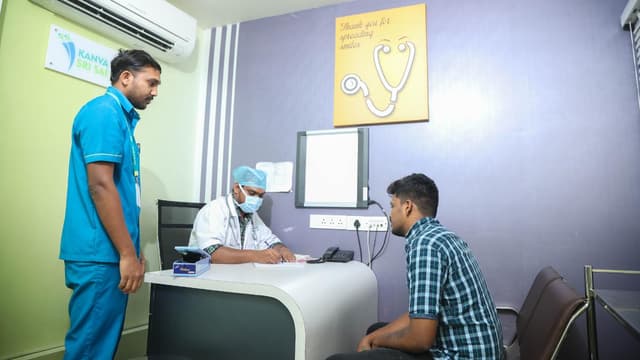
At Kanva Sri Sai Hospital, we provide comprehensive care for spine and musculoskeletal issues. Our specialists focus on accurate diagnosis and personalized treatment plans to help patients recover effectively.
You can explore our related services:
Sitting for 10 hours daily may seem unavoidable, but its impact on your spine should not be ignored. Small lifestyle changes can go a long way in preventing serious health issues.
By staying active, maintaining proper posture, and seeking timely medical care, you can protect your spine and improve your quality of life.
Yes. Prolonged sitting increases pressure on spinal discs and weakens supporting muscles, leading to long-term spine issues.
Sitting for more than 7–8 hours daily without breaks can negatively affect spine health.
Common signs include back pain, neck stiffness, poor posture, and muscle tightness.
In many cases, regular exercise and physiotherapy can improve spine health and reduce pain.
Sit upright with your back supported, feet flat on the floor, and screen at eye level.
It is recommended to take a break every 30–45 minutes to stretch or walk.
If pain persists for more than a few weeks or worsens over time, consult a doctor.
You can get expert consultation and treatment at Kanva Sri Sai Hospital, where specialists provide comprehensive spine care.