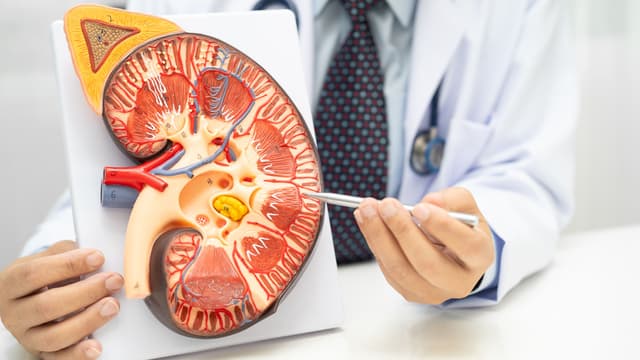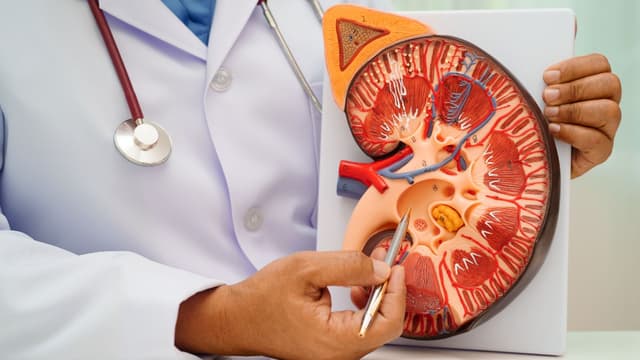

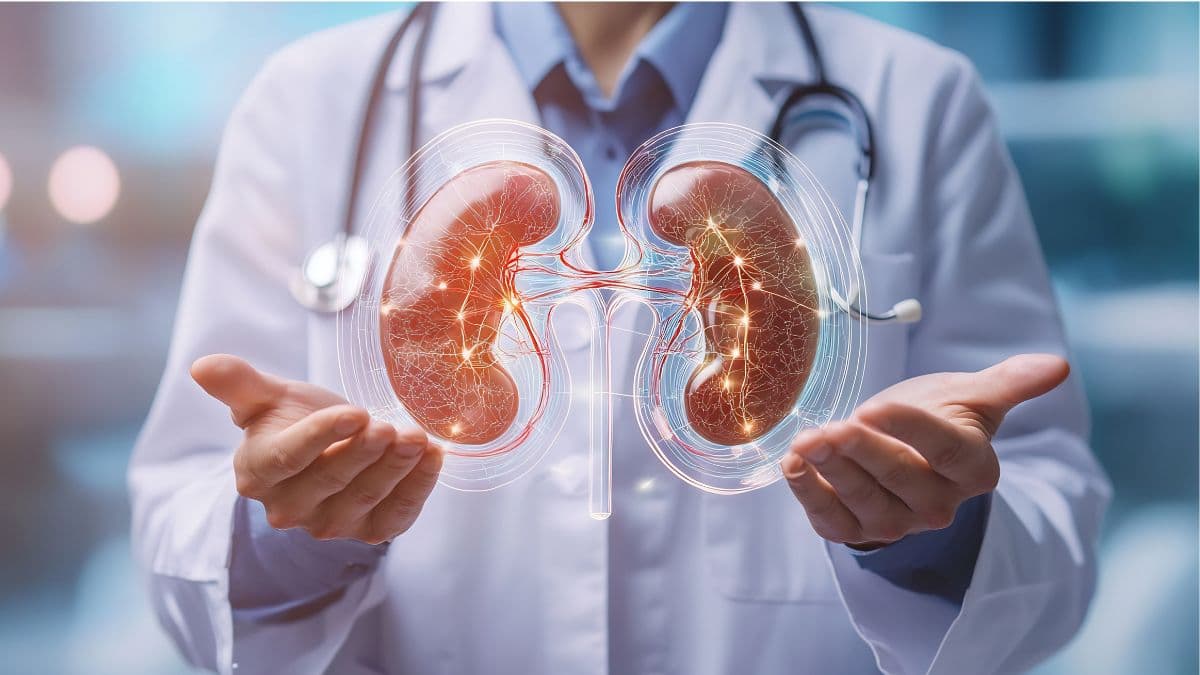
The kidneys are vital organs responsible for filtering waste and excess fluids from the blood. They help maintain the body's electrolyte balance, regulate blood pressure, and support the production of red blood cells. Healthy kidneys continuously remove toxins through urine, ensuring that the body functions efficiently.
When kidney function is affected, waste products can accumulate in the bloodstream, leading to serious health concerns. Recognizing early kidney failure signs can help individuals seek medical attention before the condition progresses into severe kidney disease.
Kidney damage often develops gradually. Many people may not notice symptoms in the early stages because the kidneys can still function even when partially damaged. However, over time, ongoing health issues may lead to chronic kidney disease symptoms.
Without proper kidney health monitoring, kidney function can decline slowly until the body begins to show more noticeable symptoms. Early medical evaluation helps detect kidney disease before it reaches advanced stages.
One of the earliest kidney failure signs is persistent fatigue. When kidneys fail to filter toxins effectively, waste builds up in the body, causing weakness and low energy levels. Swelling in the legs, ankles, or around the eyes may also occur due to fluid retention.
Changes in urination patterns are another warning sign. Individuals may notice increased frequency, reduced urine output, or changes in urine color. These symptoms may indicate early chronic kidney disease and should not be ignored.
Kidney problems can also affect digestion and appetite. Many patients experience nausea, vomiting, or a reduced desire to eat due to toxin buildup in the bloodstream.
People often ask what the symptoms of kidney failure are, and digestive discomfort is one of the early warning signs that may appear when kidney function declines. Identifying these symptoms early can help prevent serious complications.
As kidney disease progresses, fluid retention may become more severe. Excess fluid can accumulate in the lungs, causing shortness of breath and difficulty breathing.
These advanced kidney failure signs often require immediate medical attention. Early diagnosis and proper treatment can help manage symptoms and prevent further kidney damage.
Advanced kidney failure may also affect the nervous system and muscles. Patients may experience confusion, difficulty concentrating, muscle cramps, and sleep disturbances.
These symptoms occur because the kidneys are unable to maintain proper chemical balance in the body. Recognizing these chronic kidney disease symptoms is essential for timely medical intervention.
Diabetes and high blood pressure are among the most common kidney failure causes. These conditions damage blood vessels in the kidneys over time, reducing their ability to filter waste effectively.
Managing chronic conditions through lifestyle changes and medical treatment is essential for preventing long-term kidney damage and ensuring proper renal disease management.
Kidney infections, certain medications, and unhealthy lifestyle habits can also contribute to kidney damage. Overuse of pain medications, dehydration, and exposure to toxins may affect kidney function.
Understanding what causes kidney failure can help individuals take preventive measures and protect their kidney health.
Doctors use several diagnostic methods to evaluate kidney health. Blood tests that measure creatinine levels help determine how well the kidneys are filtering waste from the blood.
These tests are essential kidney function tests that help detect kidney disease at an early stage. Regular testing allows doctors to monitor kidney health and identify potential problems quickly.
Urine tests and imaging studies, such as ultrasound scans, are also used to diagnose kidney disease. Urine analysis can detect protein or blood in the urine, which may indicate kidney damage.
Imaging studies help doctors examine the size, shape, and structure of the kidneys. These diagnostic tools play a crucial role in renal disease management.
Patients experiencing persistent fatigue, swelling, frequent urination changes, or unexplained nausea should consider seeking a nephrologist consultation. Early evaluation helps doctors determine whether kidney disease is present.
At hospitals such as Kanva Sri Sai, nephrology specialists provide comprehensive kidney health evaluations and personalized treatment plans for patients with kidney-related conditions.
Early detection and treatment are essential for preventing severe kidney damage. Regular monitoring allows doctors to manage risk factors and slow the progression of kidney disease.
Timely chronic kidney disease care can significantly improve patient outcomes and help maintain kidney function for longer periods.
Treatment for kidney disease often involves a combination of medications and lifestyle changes. Doctors may prescribe medications to control blood pressure, manage diabetes, and reduce fluid retention.
Healthy habits such as maintaining a balanced diet, staying hydrated, and avoiding harmful substances can support effective kidney disease treatment and improve overall health.
In advanced stages of kidney failure, patients may require dialysis to filter waste from the blood when the kidneys can no longer perform this function. Dialysis helps maintain essential body functions and prolong life.
In some cases, a kidney transplant may be recommended as a long-term solution. With proper medical care and ongoing monitoring, patients can manage kidney disease effectively and maintain a better quality of life.
Early symptoms include fatigue, swelling in the legs or face, changes in urination, nausea, and loss of appetite.
You should consult a nephrologist if you experience persistent swelling, fatigue, abnormal urination, or abnormal kidney test results.
Common causes include diabetes, high blood pressure, infections, long-term medication use, and chronic kidney disease.
Doctors diagnose kidney failure using blood tests, urine analysis, and imaging studies such as an ultrasound.
Kidney function tests include blood creatinine tests, glomerular filtration rate (GFR) assessment, and urine protein analysis.
Maintaining healthy blood pressure, managing diabetes, staying hydrated, and avoiding harmful medications can help protect kidney health.