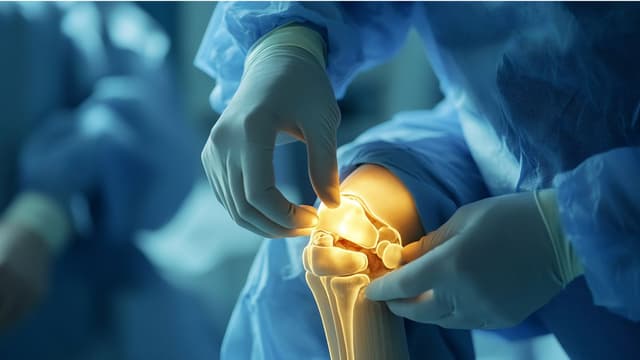

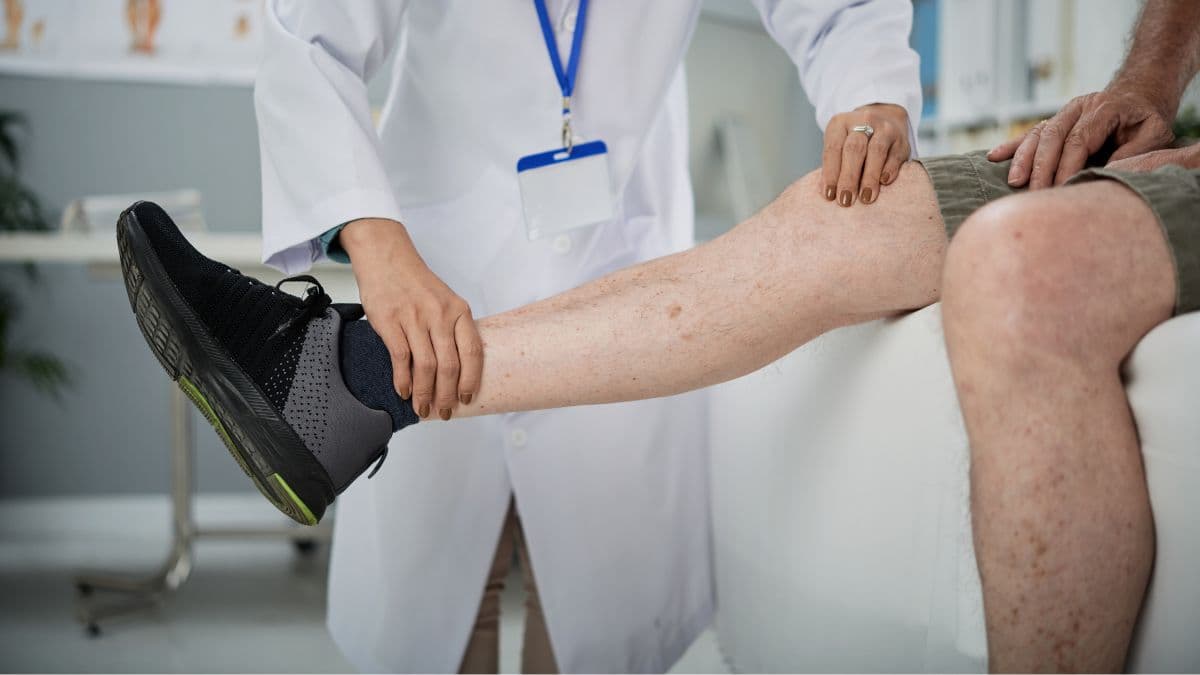
Knee pain is one of the most common orthopedic complaints affecting people of all age groups. It may develop due to injuries, overuse, or underlying joint conditions. Problems such as ligament injuries, cartilage damage, and osteoarthritis often lead to discomfort in the knee joint. Many individuals experience pain during movement, especially after physical activity or prolonged standing.
Understanding the cause of knee discomfort is the first step toward effective knee joint pain treatment. Early diagnosis allows doctors to recommend appropriate non-surgical knee pain treatment options that help manage symptoms without the need for surgery.
Lifestyle factors and aging can significantly impact knee health. As people grow older, cartilage within the knee joint gradually wears down, increasing the risk of arthritis and joint stiffness. Lack of physical activity, excess body weight, and repetitive stress on the knees may further worsen the condition.
Many patients experiencing joint discomfort look for knee arthritis treatment without surgery to avoid invasive procedures. Maintaining an active lifestyle and seeking timely medical care are essential for preserving joint function and reducing pain.
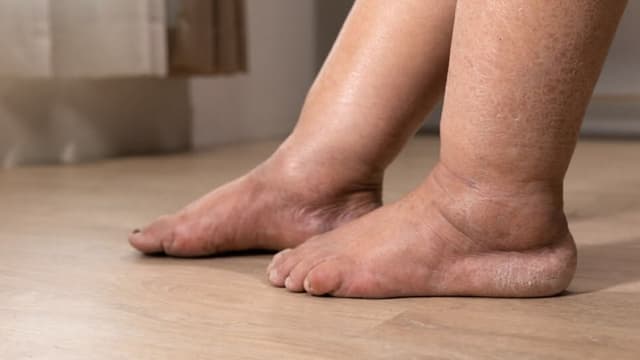
Knee stiffness and swelling are early warning signs that indicate potential joint problems. Inflammation within the joint may cause discomfort, reduced mobility, and difficulty bending the knee.
Recognizing these symptoms early helps patients seek knee pain treatment in Bangalore before the condition worsens. Early treatment often focuses on strengthening the joint and reducing inflammation through non-invasive methods.
Pain that occurs during daily activities such as walking, climbing stairs, or exercising can indicate underlying joint damage or strain. Many individuals with knee problems notice increased discomfort after physical activity.
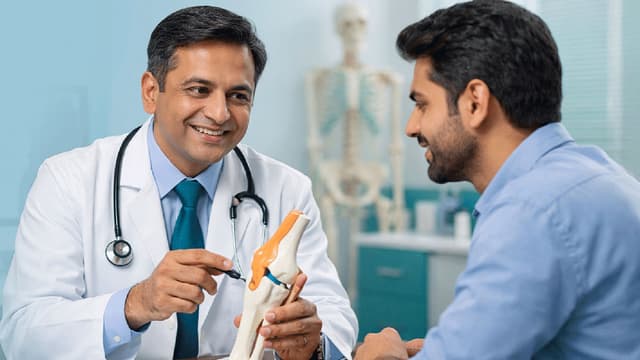
People often search for how to treat knee pain without surgery when these symptoms begin interfering with daily life. Consulting a specialist early can help identify the underlying cause and recommend suitable treatment options.
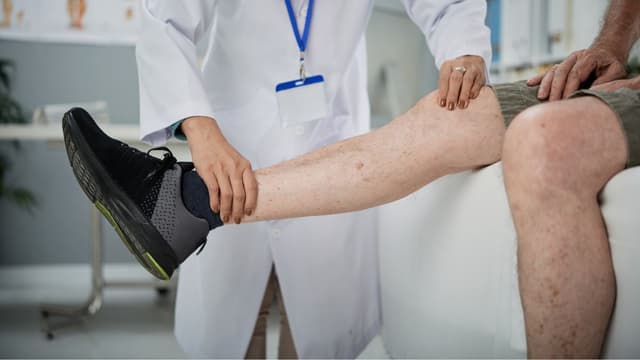
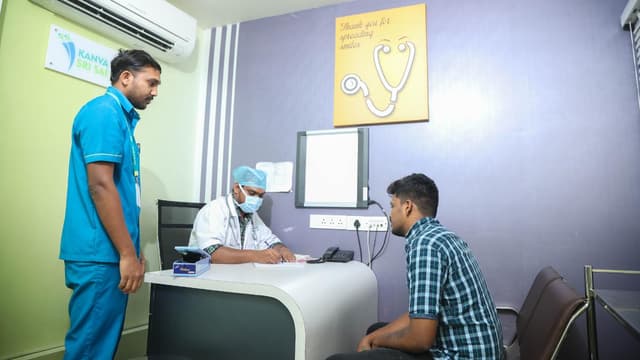
Accurate diagnosis is essential for selecting the right treatment approach. Doctors begin with a physical examination to evaluate joint mobility, swelling, and areas of tenderness.
This assessment helps determine the severity of joint damage and identify possible causes of knee pain. Proper diagnosis ensures that patients receive effective joint pain management tailored to their specific condition.
In some cases, imaging tests such as X-rays or MRI scans may be required to examine the internal structure of the knee joint. These tests help detect cartilage damage, ligament injuries, or early signs of arthritis.
Patients often ask how knee pain is diagnosed, and imaging studies provide valuable insights that guide doctors in planning the most appropriate non-surgical knee pain treatment.
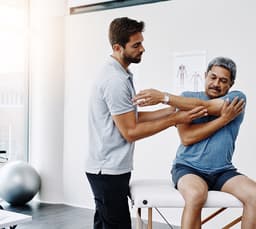
Physiotherapy is one of the most effective treatments for knee pain without surgery. Targeted exercises help strengthen the muscles around the knee joint, improving stability and reducing pressure on the joint.
Structured knee rehabilitation therapy programs are designed to restore mobility and reduce discomfort. Many patients benefit from knee pain physiotherapy treatment, which focuses on improving flexibility, strengthening muscles, and promoting long-term joint health.
Doctors may recommend medications to reduce inflammation and relieve pain. Anti-inflammatory drugs and pain-relief medications are often prescribed as part of a comprehensive joint pain management plan.
These treatments help control symptoms while patients undergo physiotherapy or other non-invasive therapies. Proper medication use combined with lifestyle adjustments can significantly improve knee health.
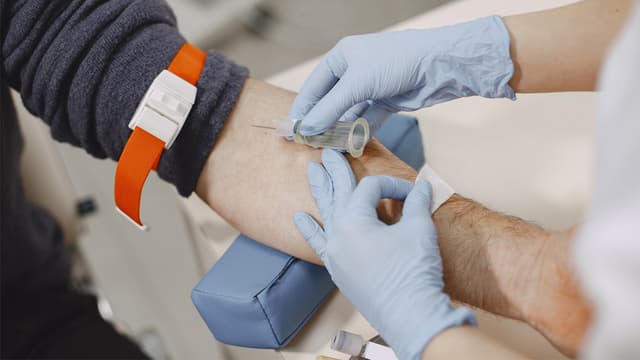
Platelet-rich plasma (PRP) therapy is an emerging treatment option for knee pain. This therapy uses the patient's own blood components to stimulate tissue healing and reduce inflammation within the joint.
PRP therapy is often recommended for patients seeking non-surgical knee pain treatment for ligament injuries, mild arthritis, or sports-related knee damage. Regenerative therapies help promote natural healing and improve joint function.
Joint injections such as corticosteroids or hyaluronic acid may help reduce inflammation and improve lubrication within the knee joint. These treatments are often used to manage arthritis or chronic joint pain.
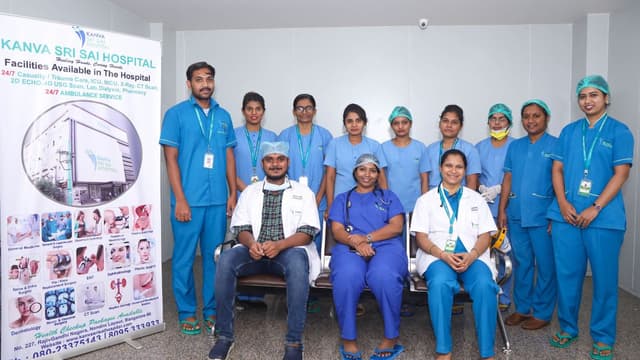
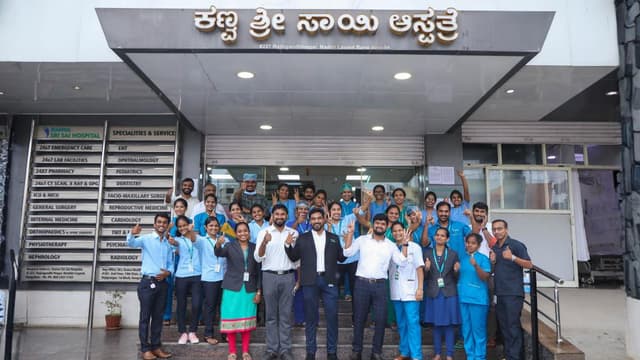
At healthcare centers such as Kanva Sri Sai, orthopedic specialists offer advanced orthopedic knee care services in Bangalore that focus on minimally invasive treatments designed to relieve pain and improve mobility without surgery.
Maintaining a healthy weight is essential for reducing stress on the knee joints. Excess body weight increases pressure on cartilage and can worsen knee pain over time.
Low-impact exercises such as swimming, cycling, and walking are recommended to improve joint flexibility and strength. These activities support effective knee rehabilitation therapy and promote long-term joint health.
Proper nutrition plays a key role in maintaining healthy joints. Foods rich in calcium, vitamin D, and omega-3 fatty acids can help strengthen bones and reduce inflammation.
Many patients looking for what are the best treatments for knee pain benefit from combining nutritional support with medical treatments. Supplements such as glucosamine and chondroitin may also support cartilage health.
Persistent knee pain, swelling, limited mobility, or difficulty walking should not be ignored. These symptoms may indicate underlying joint damage that requires medical attention.
Patients experiencing ongoing discomfort should seek orthopedic knee care in Bangalore to receive an accurate diagnosis and personalized treatment plans.
Early treatment plays a crucial role in preventing severe joint damage that may require surgery. Addressing knee pain promptly allows doctors to use non-invasive therapies that promote healing and restore mobility.
By seeking medical advice early and following recommended treatments, patients can successfully manage knee pain and maintain an active lifestyle without surgical intervention.
Knee pain can occur due to ligament injuries, cartilage damage, arthritis, overuse, or age-related joint degeneration.
Yes, many cases of knee pain can be managed with physiotherapy, medications, lifestyle changes, and regenerative treatments.
Physiotherapy, PRP therapy, joint injections, and pain management techniques are commonly used non-surgical treatments.
Physiotherapy strengthens muscles around the knee, improves joint stability, and enhances mobility while reducing pain.
Maintaining a healthy weight, staying physically active, and following a balanced diet can support knee joint health.
Doctors commonly use X-rays and MRI scans to identify cartilage damage, ligament injuries, and arthritis.