logo
NABH Logo
alt

June 15, 2026

Share

Wearable ECG Alerts: When Should You See a Cardiologist?

Wearable ECG alerts can be useful early warnings, but they are not a final diagnosis. You should see a cardiologist if your smartwatch or wearable repeatedly shows irregular rhythm, possible atrial fibrillation, very high or very low heart rate, or if the alert comes with chest pain, breathlessness, dizziness, fainting, or palpitations.

Wearable ECG devices are becoming popular in 2026 because more people want real-time heart monitoring. But a wearable can miss problems, give false alerts, or detect rhythm changes that still need medical confirmation through a proper ECG and cardiology evaluation.

At Kanva Sri Sai Hospital, doctors advise patients to treat wearable ECG alerts as useful health signals, not as confirmed medical reports. If alerts repeat or come with symptoms, proper cardiac evaluation is important.

What Are Wearable ECG Alerts?

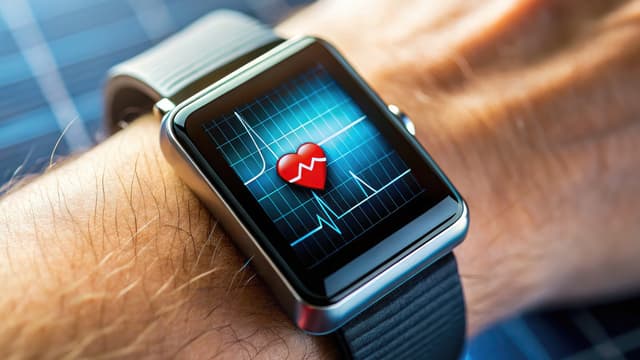
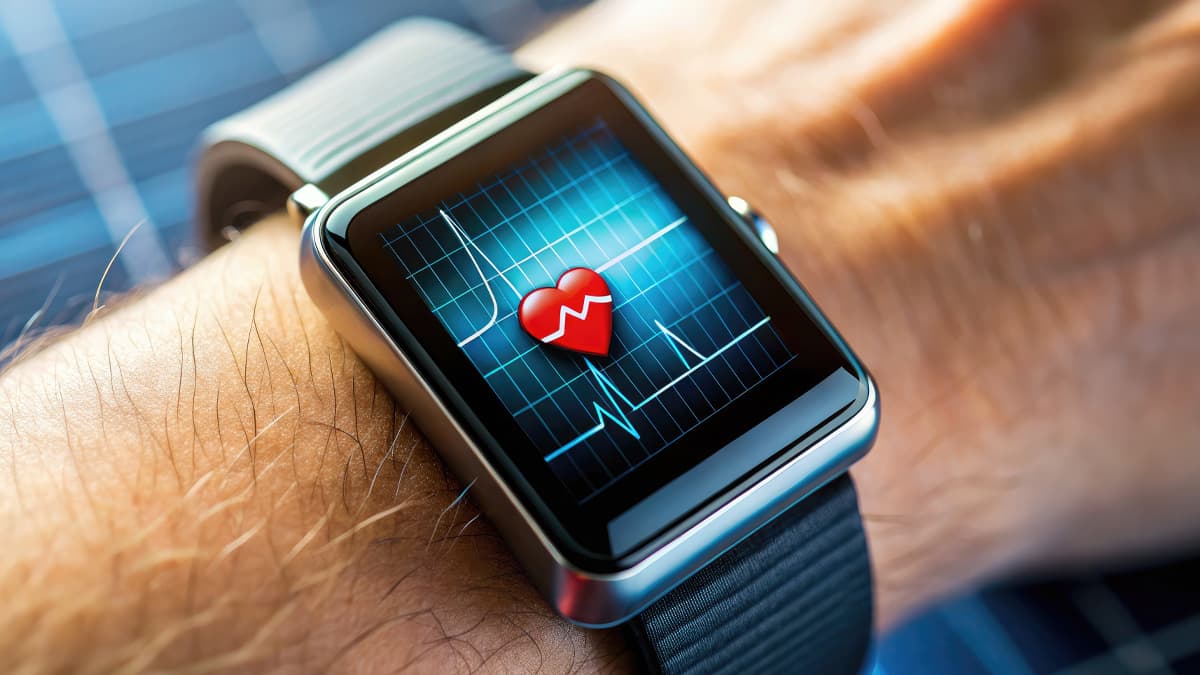
Wearable ECG alerts are heart rhythm notifications from smartwatches, fitness bands, or ECG-enabled wearable devices. These devices may detect irregular heartbeat patterns and alert the user to record an ECG or seek medical advice.

Most wearables are designed to detect rhythm issues, such as possible atrial fibrillation, not to diagnose every heart condition. They cannot reliably rule out heart attack, blocked arteries, valve disease, or heart failure.

A wearable ECG is best understood as a screening signal. It tells you, “Something may need attention,” not “This is definitely a disease.”

When Should You See a Cardiologist for Wearable ECG Alerts?

You should see a cardiologist if your wearable ECG alert repeats more than once, occurs at rest, or is associated with symptoms. A single alert after exercise, stress, caffeine, poor sleep, or loose device contact may not always mean a serious heart problem.

Book a cardiology consultation if you notice:

  • Repeated irregular rhythm alerts
  • Palpitations that keep coming back
  • Heart rate above 120 at rest
  • Heart rate below 50 with weakness or dizziness
  • Breathlessness during normal activity
  • Chest heaviness, sweating, or fainting
  • Family history of heart rhythm problems
  • Diabetes, high BP, thyroid disease, or previous heart disease

Go to emergency care immediately if the alert appears with chest pain, severe breathlessness, fainting, confusion, or sweating. In such cases, do not wait for another smartwatch reading.

Can Wearable ECG Alerts Detect Atrial Fibrillation?

Yes, many wearable ECG devices can help detect possible atrial fibrillation, also called AFib. AFib is an irregular heartbeat that may increase the risk of stroke if left untreated.

However, wearable ECG alerts are not equal to a doctor’s diagnosis. A cardiologist may need a 12-lead ECG, Holter monitoring, echocardiogram, blood tests, or thyroid testing to confirm the cause.

AFib can come and go, which means your ECG may look normal during a hospital visit. This is why doctors may recommend longer monitoring if your symptoms are frequent but not captured during a routine ECG.

Which Wearable ECG Alerts Are Serious?

Not every alert needs panic, but some patterns need prompt medical attention. The table below can help patients understand the difference.

Wearable ECG Alert or SymptomWhat It May SuggestWhat to Do
One irregular rhythm alert with no symptomsPossible false alert or temporary rhythm changeMonitor and repeat reading
Repeated irregular rhythm alertsPossible AFib or rhythm disorderSee a cardiologist
Alert with chest pain or sweatingPossible cardiac emergencyVisit emergency care
Very fast heart rate at restPossible arrhythmia, anxiety, fever, thyroid issue, or dehydrationGet evaluated
Low heart rate with dizzinessPossible conduction issue or medication effectSeek medical advice

This table is only a guide. A cardiologist should review your symptoms, medical history, device readings, and clinical test results before deciding on treatment.

At Kanva Sri Sai Hospital, patients with repeated ECG alerts can be evaluated through cardiology, diagnostics, laboratory services, and emergency care when needed.

Why Can Wearable ECG Alerts Be Wrong?

Wearable ECG alerts can be wrong because they depend on skin contact, movement control, sensor quality, battery level, and correct positioning. A loose strap, sweaty skin, hand movement, or poor signal can affect the reading.

False alerts are also possible in people with extra beats, tremors, anxiety, or irregular but non-dangerous rhythm patterns. Some devices are better at detecting AFib than other rhythm problems.

This is why you should not start blood thinners, heart medicines, or anxiety medicines based only on a wearable alert. Wrong self-treatment can be risky, especially for people with high BP, kidney disease, bleeding risk, or diabetes.

What Tests May a Cardiologist Recommend?

A cardiologist will first ask about your symptoms and review your wearable ECG records. Save the ECG PDF, screenshots, date, time, activity, and symptoms during each alert.

Common tests may include:

  • 12-lead ECG: Gives a more detailed heart rhythm reading than most wearables.
  • Holter monitor: Tracks heart rhythm for 24 to 48 hours or longer.
  • Echocardiogram: Checks heart pumping function, valves, and structure.
  • Blood tests: May check thyroid, electrolytes, hemoglobin, sugar, and kidney function.
  • Treadmill test: May be advised if symptoms happen during walking or exertion.

For Bengaluru patients with busy work schedules, wearable ECG alerts can be a helpful trigger to seek early care. But the final decision should come from clinical testing, not the device alone.

At Kanva Sri Sai Hospital, doctors may recommend these tests based on the patient’s symptoms, risk factors, ECG records, and medical history.

How Should You Use Wearable ECG Data Safely?

Use your wearable as a health assistant, not as your doctor. It can help you notice patterns, but it cannot understand your full medical condition.

Follow these steps:

  • Record an ECG when the device asks you to
  • Sit still while recording
  • Save all abnormal readings
  • Note the symptoms at the same time
  • Avoid repeated panic-checking every few minutes
  • Share the report with a cardiologist
  • Do not change medicines without medical advice

People with high BP, diabetes, thyroid disease, obesity, smoking history, or family history of heart disease should take repeated alerts more seriously. These risk factors can increase the chance of rhythm problems and heart disease.

Conclusion: Wearable ECG Alerts Should Be Checked, Not Ignored

Wearable ECG alerts can help detect possible heart rhythm problems early, especially atrial fibrillation and irregular heartbeat patterns. But they are screening tools, not final diagnostic reports.

At Kanva Sri Sai Hospital, patients in and around Nandini Layout, Bengaluru, can consult doctors for wearable ECG alerts, palpitations, irregular heartbeat symptoms, and cardiac screening.

Actionable takeaways:

  1. See a cardiologist if wearable ECG alerts repeat or appear with palpitations, breathlessness, dizziness, or chest discomfort.
  2. Go to emergency care if an alert comes with chest pain, fainting, sweating, or severe breathing difficulty.
  3. Save your wearable ECG records and show them to a doctor for proper testing and interpretation.

FAQ

1. Are wearable ECG alerts accurate?

They can detect some rhythm changes, especially possible AFib, but medical confirmation is needed before diagnosis or treatment.

2. Can a smartwatch detect a heart attack?

No. Most wearables are not designed to diagnose heart attacks. Chest pain or sweating needs emergency care.

3. When should I worry about an irregular rhythm alert?

Worry if alerts repeat, happen at rest, or come with chest pain, dizziness, fainting, or breathlessness.

4. Which doctor should I visit for wearable ECG alerts?

Visit a cardiologist, especially if alerts are repeated or linked with palpitations, high BP, diabetes, or chest symptoms.

5. Should I take medicines after a wearable ECG alert?

No. Do not start heart medicines or blood thinners without a doctor’s diagnosis and proper ECG confirmation.


Share

Specialities

Recent Blogs

Kidney Care Near Rajajinagar: What Foamy Urine and Swollen Feet Could Indicate

August 17, 2026

Kidney Care Near Rajajinagar: What Foamy Urine and Swollen Feet Could Indicate

Read More
Pulmonology Care Near Goraguntepalya: When Breathlessness Needs Medical Attention

August 14, 2026

Pulmonology Care Near Goraguntepalya: When Breathlessness Needs Medical Attention

Read More
Orthopaedic Care in Laggere for Knee Pain: Causes, Diagnosis & Treatment Options

August 11, 2026

Orthopaedic Care in Laggere for Knee Pain: Causes, Diagnosis & Treatment Options

Read More
Urology Care near Rajagopala Nagar: What Frequent Urination Could Mean

August 7, 2026

Urology Care near Rajagopala Nagar: What Frequent Urination Could Mean

Read More
Kidney Stone Treatment Near Yeshwanthpur: Symptoms, Tests & When to See a Urologist

August 3, 2026

Kidney Stone Treatment Near Yeshwanthpur: Symptoms, Tests & When to See a Urologist

Read More
Back Pain From Sitting Long Hours: When Should You Worry

July 29, 2026

Back Pain From Sitting Long Hours: When Should You Worry

Read More
Chest Pain in Women: Warning Signs You Shouldn’t Ignore

July 24, 2026

Chest Pain in Women: Warning Signs You Shouldn’t Ignore

Read More
High Creatinine Levels: When to Visit a Kidney Doctor?

July 17, 2026

High Creatinine Levels: When to Visit a Kidney Doctor?

Read More
Low Platelet Count in Dengue: When Should You Worry?

July 10, 2026

Low Platelet Count in Dengue: When Should You Worry?

Read More
Dengue or Viral Fever: Symptoms You Should Not Ignore

July 3, 2026

Dengue or Viral Fever: Symptoms You Should Not Ignore

Read More
Dizziness and Fatigue: Common Causes and Tests You May Need

June 29, 2026

Dizziness and Fatigue: Common Causes and Tests You May Need

Read More
Heavy Period Bleeding: Causes, Tests and Treatment Options

June 22, 2026

Heavy Period Bleeding: Causes, Tests and Treatment Options

Read More
Wearable ECG Alerts: When Should You See a Cardiologist?

June 15, 2026

Wearable ECG Alerts: When Should You See a Cardiologist?

Read More
Low Hemoglobin Symptoms: When to Take a Blood Test

June 8, 2026

Low Hemoglobin Symptoms: When to Take a Blood Test

Read More
Swollen Feet and Breathlessness: Heart Problem Signs

June 2, 2026

Swollen Feet and Breathlessness: Heart Problem Signs

Read More
Why Urban Lifestyle Is Increasing Diabetes Risk

May 29, 2026

Why Urban Lifestyle Is Increasing Diabetes Risk

Read More
Sitting 10 Hours Daily Can Harm Your Spine

May 26, 2026

Sitting 10 Hours Daily Can Harm Your Spine

Read More
Can Skipping Breakfast Increase Diabetes Risk?

May 22, 2026

Can Skipping Breakfast Increase Diabetes Risk?

Read More
Sleep Problems Rising Among Bangalore Employees

May 20, 2026

Sleep Problems Rising Among Bangalore Employees

Read More
Why Vitamin D Deficiency Is Rising in Bangalore

May 19, 2026

Why Vitamin D Deficiency Is Rising in Bangalore

Read More
Is Laparoscopic Surgery Painful? Myths vs Facts

April 21, 2026

Is Laparoscopic Surgery Painful? Myths vs Facts

Read More
Numbness and Tingling: Is It a Nerve Problem

April 16, 2026

Numbness and Tingling: Is It a Nerve Problem

Read More
Early Stroke Signs You Should Never Ignore in Bangalore

April 16, 2026

Early Stroke Signs You Should Never Ignore in Bangalore

Read More
Kidney Failure Symptoms: When to See a Nephrologist

March 26, 2026

Kidney Failure Symptoms: When to See a Nephrologist

Read More
Knee Pain Treatment Options Without Surgery in Bangalore

March 23, 2026

Knee Pain Treatment Options Without Surgery in Bangalore

Read More
Early Cancer Screening Tests Every Adult Should Know

March 18, 2026

Early Cancer Screening Tests Every Adult Should Know

Read More
High Blood Pressure Warning Signs Bangalore Guide 2026

March 14, 2026

High Blood Pressure Warning Signs Bangalore Guide 2026

Read More
Trusted Medical Excellence in Nandini Layout

March 04, 2026

Trusted Medical Excellence in Nandini Layout

Read More
Your Health Journey with Kanvasri Sai Hospital

March 12, 2026

Your Health Journey with Kanvasri Sai Hospital

Read More
What Makes Kanva Sri Sai Hospital Different

February 20, 2026

What Makes Kanva Sri Sai Hospital Different

Read More
Joint Replacement Surgery Benefits for Knee Pain

February 12, 2026

Joint Replacement Surgery Benefits for Knee Pain

Read More
Best Dialysis Care Tips for Kidney Patients Bangalore

February 02, 2026

Best Dialysis Care Tips for Kidney Patients Bangalore

Read More
Digestive Problems: When to See a Gastro Doctor

January 20, 2026

Digestive Problems: When to See a Gastro Doctor

Read More
Heart Attack Early Symptoms Everyone Should Know 2026

January 18, 2026

Heart Attack Early Symptoms Everyone Should Know 2026

Read More
Chronic Back Pain Causes and Treatment in Bangalore

January 10, 2026

Chronic Back Pain Causes and Treatment in Bangalore

Read More