
The digestive system plays a vital role in breaking down food, absorbing nutrients, and removing waste from the body. It includes organs such as the stomach, intestines, liver, pancreas, and esophagus, all working together to support overall health. When this system functions properly, nutrients are efficiently absorbed, and the body maintains energy and balance.
However, disruptions in the digestive system can lead to various digestive health issues such as bloating, stomach pain, and irregular bowel movements. These symptoms may indicate underlying conditions that require proper medical evaluation and gastroenterology care.
Modern lifestyles have contributed to an increase in digestive problems. Poor dietary habits, high stress levels, irregular eating schedules, and processed foods can disrupt normal digestive function.
As a result, many individuals experience symptoms such as acidity, indigestion, and stomach discomfort. Understanding what common digestive problems are helps people identify early warning signs and seek a timely gastroenterology doctor consultation when symptoms persist.
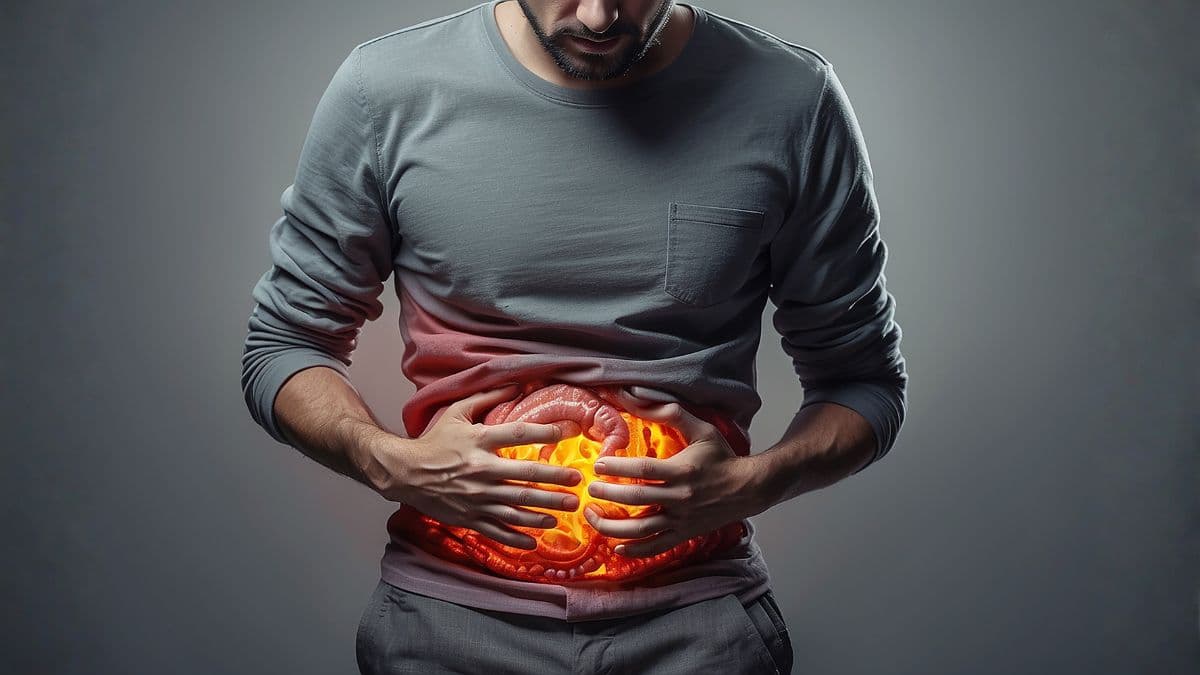
Bloating, excessive gas, and mild stomach pain are some of the most common digestive complaints. These symptoms may occur occasionally due to dietary factors but can also indicate underlying digestive disorders.
Persistent bloating or abdominal discomfort may require stomach problems treatment to address the root cause. If symptoms continue for several days or worsen over time, medical evaluation becomes important.
Heartburn and acid reflux are also common digestive symptoms. They occur when stomach acid flows back into the esophagus, causing burning sensations in the chest.
Chronic acid reflux may indicate gastroesophageal reflux disease (GERD), which requires professional digestive disorder treatment. Identifying symptoms early helps prevent long-term complications.
Severe abdominal pain that persists for long periods can signal serious gastrointestinal conditions such as ulcers, inflammation, or intestinal disorders. Sudden and unexplained weight loss may also indicate an underlying digestive disease.
These symptoms often raise the question: What symptoms indicate digestive disease? Persistent pain and unexplained health changes should always be evaluated by a specialist.
Blood in stool or repeated vomiting are warning signs that require immediate medical attention. These symptoms may be associated with conditions such as gastrointestinal infections, ulcers, or inflammatory bowel disease.
If such symptoms appear, it is essential to seek immediate consultation with a gastroenterology specialist to prevent serious complications.
Unhealthy lifestyle habits are among the most common causes of digestive issues. Consuming excessive spicy or processed foods, skipping meals, and low fiber intake can negatively affect digestion.
Lifestyle factors such as smoking, alcohol consumption, and stress can also contribute to digestive health issues. Addressing these habits can significantly improve digestive system function.
Certain infections, stomach ulcers, and chronic gastrointestinal diseases can also cause digestive discomfort. Bacterial infections, food poisoning, and inflammatory bowel disease may disrupt normal digestive function.
Doctors use various diagnostic techniques to identify these conditions and recommend effective digestive disorder treatment.
Doctors often use procedures such as endoscopy and colonoscopy to examine the digestive tract. These tests allow specialists to view the internal lining of the stomach and intestines to detect inflammation, ulcers, or abnormal growths.
These procedures are among the most effective gastrointestinal diagnostic tests used in modern digestive system health care.
In addition to endoscopy, imaging tests such as ultrasound or CT scans help doctors identify structural issues in digestive organs. Laboratory tests may also detect infections, inflammation, or nutrient deficiencies.
Patients often ask how digestive disorders are diagnosed, and these diagnostic tools help doctors determine the most appropriate treatment plan.
Treatment for digestive problems often includes medications to reduce inflammation, control stomach acid, and relieve symptoms such as nausea or abdominal pain.
At healthcare centers such as Kanva Sri Sai, specialists provide comprehensive gastroenterology care that combines medical treatment with personalized dietary recommendations for long-term digestive health.
Chronic digestive conditions such as irritable bowel syndrome (IBS), inflammatory bowel disease, or severe acid reflux may require specialized treatment approaches.
Advanced therapies and specialized medical care help manage these conditions effectively while improving quality of life.
Maintaining a balanced diet rich in fiber, fruits, vegetables, and whole grains supports healthy digestion. Drinking enough water and eating meals at regular intervals also helps regulate digestive function.
Healthy lifestyle habits play a crucial role in preventive digestive health screening and long-term digestive wellness.
Regular medical check-ups help detect digestive disorders at an early stage. Routine screenings and consultations allow doctors to monitor digestive health and prevent serious complications.
If symptoms persist, individuals should consider when to see a gastroenterologist for proper evaluation and timely treatment.
Common digestive problems include bloating, gas, stomach pain, acid reflux, and irregular bowel movements
You should consult a gastroenterologist if digestive symptoms persist for several days or worsen over time.
Frequent bloating can be caused by poor diet, gas buildup, food intolerance, or underlying digestive disorders.
Yes, frequent heartburn may indicate acid reflux or GERD and should be evaluated by a doctor.
Severe abdominal pain, blood in stool, persistent vomiting, or unexplained weight loss require urgent medical care.