
Fever is common during seasonal changes, monsoon, and post-monsoon months. Many people first assume it is a normal viral fever and wait for it to settle on its own. But in some cases, fever with body pain, headache, vomiting, weakness, or rashes may be linked to dengue.
The challenge is that dengue and viral fever can look similar in the first few days. This is why it is important to understand the symptoms, warning signs, and the right time to see a doctor.
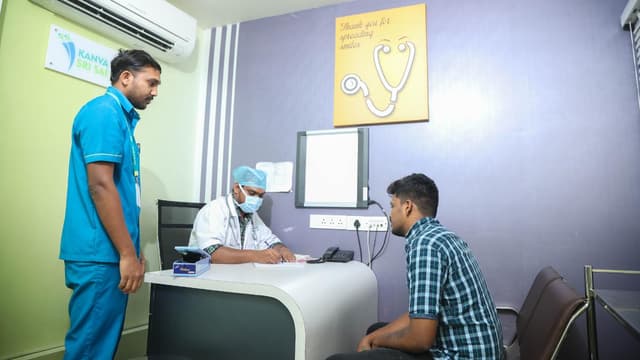
At Kanva Sri Sai Hospital, patients with fever, body pain, dehydration, vomiting, weakness, and suspected dengue can consult the General Medicine Department for timely evaluation, blood tests, and treatment guidance.
Viral fever is a fever caused by a viral infection. It may happen due to seasonal viruses, weather changes, low immunity, or close contact with an infected person.
Common symptoms of viral fever include:
Most viral fevers improve with rest, fluids, and doctor-advised medicines. However, fever should not be ignored if it is high, lasts for more than two to three days, or comes with severe symptoms.
Dengue is a mosquito-borne viral infection. It spreads through the bite of infected Aedes mosquitoes. These mosquitoes often breed in clean stagnant water, such as water collected in buckets, flowerpots, tyres, open containers, and rooftop areas.
Dengue may start like a normal fever, but it can become serious in some patients. The risk is higher when warning signs are missed, or medical care is delayed.
In the early stage, both dengue and viral fever may cause fever, headache, body pain, and weakness. Because of this, many people depend only on home remedies or self-medication.
This can be risky.
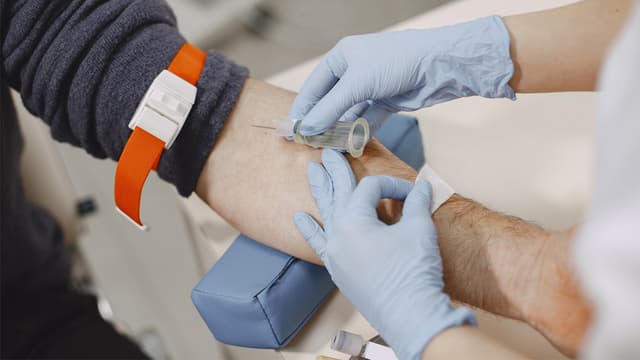
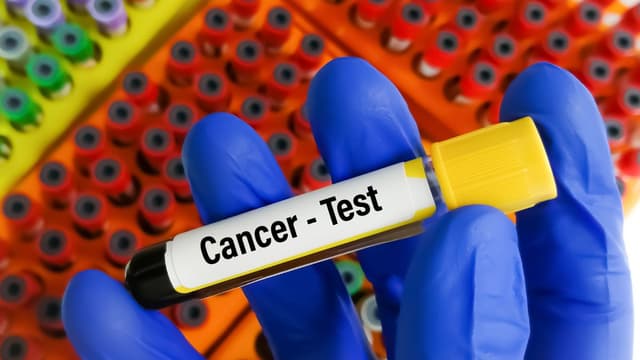
Dengue may need blood tests such as CBC, platelet count monitoring, NS1 antigen test, or other doctor-recommended tests depending on the day of fever and symptoms.
Early consultation helps the doctor decide whether it is a simple viral fever, dengue, typhoid, flu, chikungunya, or another infection.
Dengue symptoms may appear.
Early consultation helps the doctor decide whether it is a simple viral fever, dengue, typhoid, flu, chikung appear a few days after a mosquito bite. The symptoms can vary from mild to severe.
| Symptom | What It May Indicate |
|---|---|
| Sudden high fever | Common early sign of dengue |
| Severe headache | Often stronger than normal viral fever |
| Pain behind the eyes | A common dengue-related symptom |
| Severe body pain | Muscle and joint pain may be intense |
| Nausea or vomiting | May cause dehydration |
| Skin rash | Can appear after fever starts |
| Tiredness and weakness | May continue even after fever reduces |
Not every fever with body pain is dengue. But if these symptoms appear together, especially during dengue season, it is safer to consult a doctor.
Some symptoms may indicate that dengue is becoming serious. These signs need quick medical attention.
Visit a hospital immediately if you notice:
One important point is that dengue can become risky when the fever starts coming down. Many people think they are recovering because the temperature reduces. But this is also the time when warning signs may appear in some patients.
A blood test may be needed when fever is high, persistent, or associated with dengue-like symptoms.
You should consult a doctor and ask about testing if you have:
The doctor may suggest tests based on your symptoms and the number of days since the fever started. Avoid choosing tests randomly without medical advice, because dengue test timing matters.
Many people panic when they hear about platelet count in dengue. Platelets are blood cells that help with clotting. In dengue, platelet count may reduce in some patients.
But platelet count alone does not decide the seriousness of dengue. Doctors also look at symptoms, hydration, blood pressure, bleeding signs, hematocrit, urine output, and general condition.
Do not panic only because the platelet count is low. At the same time, do not ignore warning signs even if the platelet count is not very low.
The right approach is regular monitoring under medical guidance.
| Point | Viral Fever | Dengue Fever |
|---|---|---|
| Cause | Seasonal viral infection | Mosquito-borne dengue virus |
| Fever pattern | Mild to high fever | Often sudden high fever |
| Body pain | Mild to moderate | Often severe |
| Eye pain | Less common | Pain behind the eyes may occur |
| Rash | Not always present | Can occur in dengue |
| Platelet drop | Usually not significant | May reduce in some patients |
| Risk level | Usually mild | Can become serious in some cases |
This table gives a basic idea only. A proper diagnosis should be made by a doctor after examination and tests.
If dengue is suspected, avoid these mistakes:
Paracetamol may be advised for fever in many cases, but dosage should be taken only as recommended by a doctor.
Treatment depends on symptoms, test results, hydration level, and overall condition.
For mild fever, doctors may advise:
For suspected or confirmed dengue, doctors may advise:
There is no single home remedy that can cure dengue. Proper medical observation is important, especially when warning signs appear.
Some people may need quicker medical attention when they get fever.
This includes:
If any high-risk person has fever with weakness, vomiting, dehydration, or bleeding signs, hospital consultation should not be delayed.
Dengue prevention starts with mosquito control.
Follow these steps:
Even a small amount of stagnant water can become a mosquito breeding spot.
You should visit Kanva Sri Sai Hospital if you have fever with any of these symptoms:
The General Medicine Department can evaluate fever symptoms, suggest necessary blood tests, and guide you on the next steps. If required, patients can also receive support from diagnostics, emergency care, and other speciality departments.
You cannot confirm it based only on symptoms. Dengue and viral fever can look similar in the early stage. A doctor may suggest blood tests depending on your symptoms and fever duration.
You should worry if fever comes with severe stomach pain, repeated vomiting, bleeding, extreme weakness, breathing difficulty, dizziness, reduced urination, or confusion.
Not always. Platelet count is important, but doctors also check symptoms, hydration, bleeding signs, blood pressure, and other reports before deciding the risk level.
Mild cases may be managed at home with doctor guidance, rest, fluids, and monitoring. But warning signs need immediate hospital care.
You can consult the General Medicine Department. If symptoms are severe, emergency care may be needed.
Dengue and viral fever may look similar in the beginning, but dengue can become serious if warning signs are missed. High fever, severe body pain, pain behind the eyes, vomiting, rash, unusual weakness, or bleeding symptoms should not be ignored.
Timely consultation, correct blood tests, hydration, and regular monitoring can help prevent complications.
If you or your family member has fever with dengue-like symptoms, visit Kanva Sri Sai Hospital for medical evaluation and timely care.