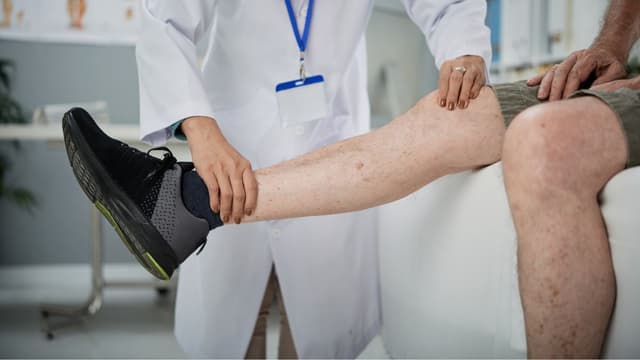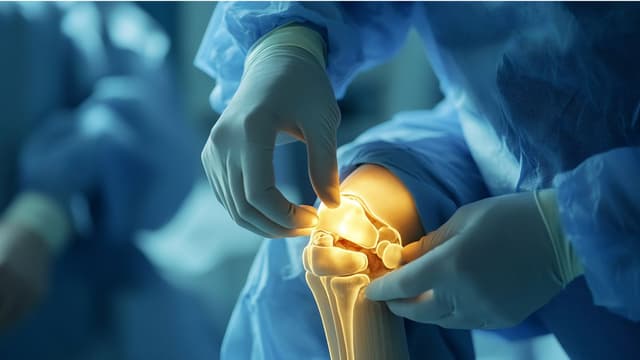

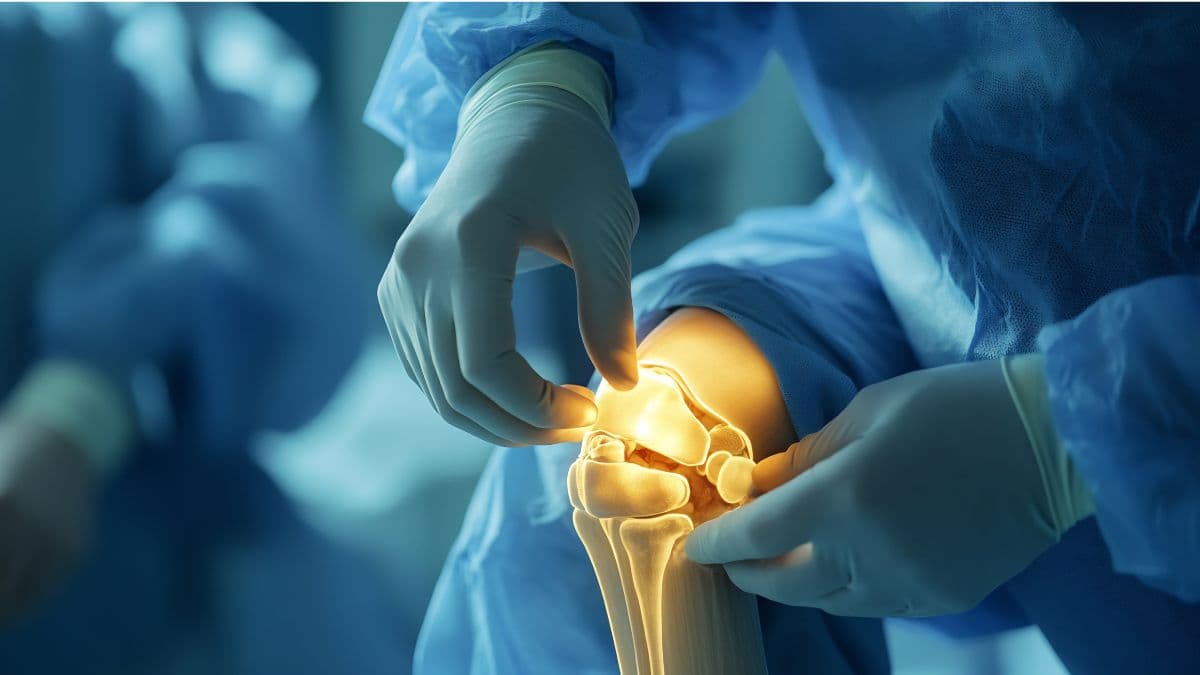
Chronic knee pain is a common condition that affects people of all ages, especially older adults and individuals with active lifestyles. The pain often develops gradually due to conditions such as osteoarthritis, ligament injuries, cartilage damage, or long-term joint stress. These problems can significantly affect mobility and daily activities, making even simple movements painful.
For many patients, persistent discomfort leads them to seek knee joint pain treatment to manage symptoms and maintain joint function. When knee pain becomes severe and interferes with normal activities, doctors may consider more advanced treatment options such as knee replacement surgery.
Cartilage acts as a protective cushion between the bones in the knee joint. When this cartilage wears down due to aging or injury, the bones begin to rub against each other, causing inflammation and pain. This condition is commonly seen in patients with osteoarthritis.
As cartilage damage worsens, patients may experience stiffness, swelling, and difficulty bending or straightening the knee. In such cases, knee arthritis surgery or joint replacement may be recommended to restore normal joint function.
Knee replacement surgery is usually recommended when joint degeneration becomes severe and significantly affects daily life. Common symptoms include persistent knee pain, difficulty walking, swelling, and reduced mobility.
Patients often ask when they need knee replacement surgery, and doctors typically recommend it when conservative treatments fail to relieve pain and mobility continues to decline.
Non-surgical treatments such as medication, physiotherapy, and lifestyle changes are often the first line of care for knee pain. These treatments can reduce inflammation and improve mobility in the early stages of joint damage.
However, when these options no longer provide relief, joint replacement surgery for knee pain becomes an effective solution for restoring function and improving quality of life.
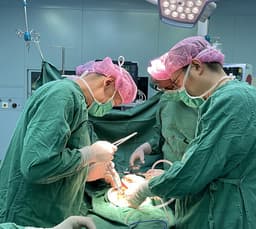
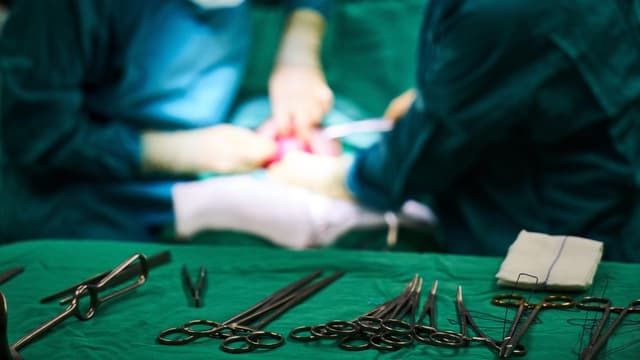
During knee replacement surgery, damaged cartilage and bone are removed from the knee joint and replaced with artificial implants made of metal and durable plastic. These implants recreate the natural movement of the knee and help reduce pain caused by joint friction.
The procedure is performed by an orthopedic surgeon and is considered a reliable knee replacement treatment for patients with advanced joint damage.
There are different types of knee replacement procedures depending on the extent of joint damage. Total knee replacement replaces the entire joint, while partial knee replacement targets only the damaged portion.
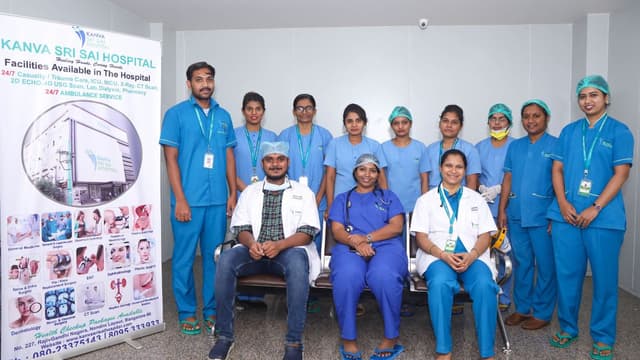
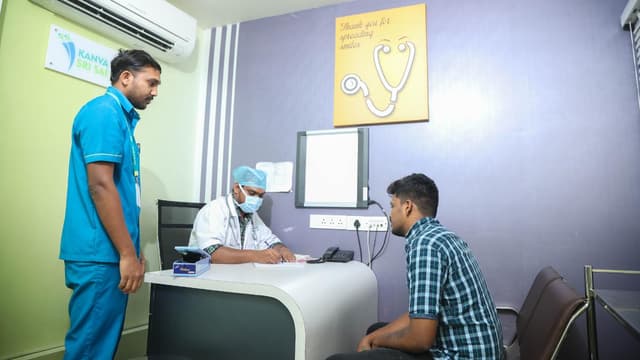
At healthcare centers such as Kanva Sri Sai, orthopedic specialists evaluate each patient's condition to determine the most appropriate surgical approach for knee replacement surgery.
One of the primary advantages of joint replacement surgery for knee pain is significant pain relief. Patients who previously struggled with walking or standing often experience improved comfort after surgery.
The procedure restores joint alignment and allows patients to move more freely without chronic discomfort.
Patients who undergo knee replacement surgery often report a noticeable improvement in their quality of life. Activities such as walking, climbing stairs, and participating in social events become easier and less painful.
For many individuals suffering from long-term joint issues, knee replacement treatment helps them regain independence and resume normal daily routines.
Recovery after knee surgery involves structured rehabilitation programs. Physical therapy helps strengthen muscles around the knee and restore joint mobility.
These exercises are an important part of knee joint pain treatment after surgery, helping patients regain strength and flexibility.
Many patients wonder how long knee replacement recovery takes. While initial recovery may take several weeks, full healing and improved mobility usually occur over several months.
Following medical advice and attending rehabilitation sessions can significantly improve recovery outcomes.
Candidates for knee replacement surgery typically include individuals with severe arthritis, long-term knee pain, and limited mobility. Age alone does not determine eligibility; overall health and joint condition are also considered.
Patients experiencing chronic pain that affects daily activities may benefit from consultation regarding knee arthritis surgery.
An orthopedic specialist evaluates the severity of joint damage through physical examinations and imaging tests. These assessments help determine whether knee replacement treatment is the best option for the patient.
Professional evaluation ensures that patients receive the most appropriate treatment plan based on their medical condition.
Modern knee implants are designed to last for many years and support long-term joint function. Advances in surgical techniques and implant technology have improved the success rate of knee replacement surgery.
These improvements allow patients to maintain active lifestyles with minimal joint discomfort.
After successful surgery and rehabilitation, many patients experience greater independence and mobility. Daily activities become easier, and patients can participate in moderate physical activities with reduced pain.
For individuals living with chronic knee pain, joint replacement surgery for knee pain can provide long-term relief and a significant improvement in overall well-being.
Chronic knee pain is commonly caused by osteoarthritis, cartilage damage, ligament injuries, or long-term joint stress.
Knee replacement surgery is recommended when severe pain and joint damage do not improve with non-surgical treatments.
The procedure replaces damaged cartilage and bone in the knee with artificial implants to restore movement and reduce pain.
Knee replacement surgery helps relieve pain, improve mobility, and enhance overall quality of life.
The main types include total knee replacement and partial knee replacement, depending on the extent of joint damage.
Initial recovery may take a few weeks, while full recovery and improved mobility usually take several months.