
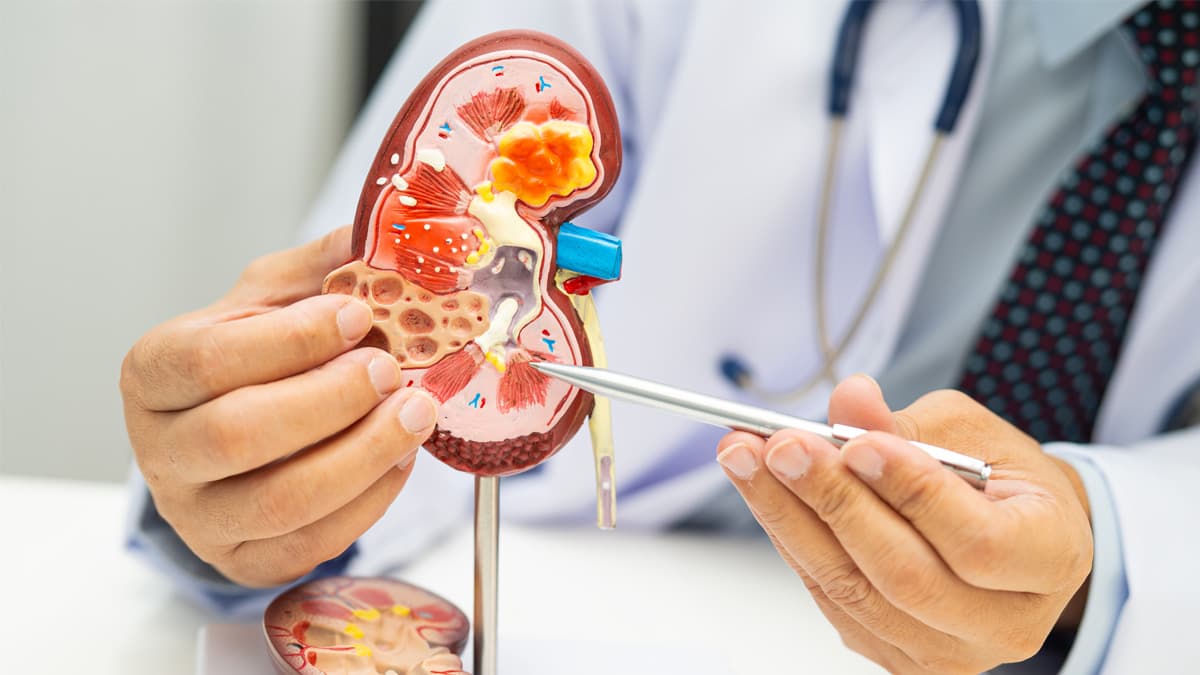
Kidney stones can cause sudden, severe pain and may require medical attention depending on their size, location, and symptoms. If you are looking for kidney stone treatment near Yeshwanthpur, a urologist can evaluate the stone using urine tests, blood tests, and imaging, then recommend treatment based on your condition.
Patients from Yeshwanthpur and nearby areas can consult the Urology team at Kanva Sri Sai Hospital, Nandini Layout, Bengaluru, for evaluation and treatment of kidney stones and other urinary conditions.
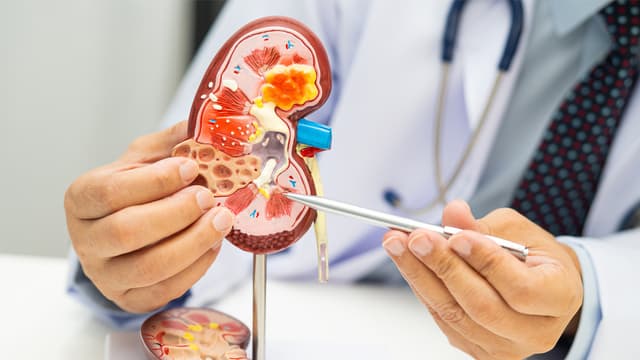
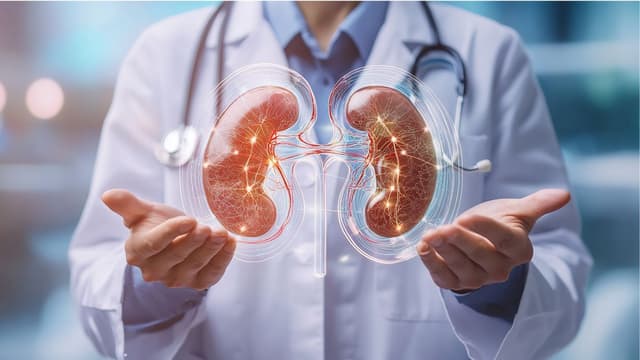
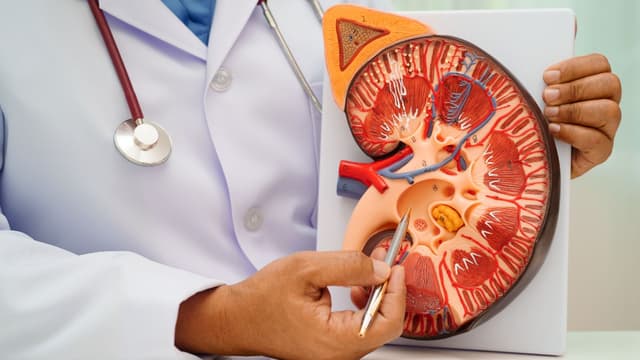
Kidney stones are hard deposits that form inside the kidneys from substances present in urine. They can vary in size, from tiny crystals that pass without much difficulty to larger stones that may become lodged in the urinary tract.
The most common type is a calcium stone, but uric acid, struvite, and cystine stones can also occur.
Not every kidney stone causes symptoms. Problems often begin when a stone moves from the kidney into the ureter, the tube connecting the kidney to the bladder.
Kidney stone symptoms can vary depending on the stone's size and location.
Common symptoms include:
A small kidney stone may sometimes pass without causing noticeable symptoms.
However, severe pain, difficulty urinating, fever, or blood in the urine should not simply be ignored.
Kidney stone pain often begins in the side or back, usually below the ribs. As the stone travels through the urinary tract, the pain may move toward the lower abdomen or groin.
The intensity can change as the stone moves.
Because abdominal and back pain can have many causes, symptoms alone cannot confirm a kidney stone. A medical examination and appropriate tests help determine the actual cause.
Kidney stones can develop when urine contains higher concentrations of stone-forming substances, and there isn't enough fluid to dilute them.
Several factors may increase the likelihood of developing stones, including:
Understanding why a stone developed can be particularly useful for people who experience kidney stones repeatedly.
| Symptom | Possible Concern | When to Seek Medical Care |
|---|---|---|
| Mild side or back discomfort | Small stone or another condition | If pain continues or worsens |
| Severe pain in the side or groin | Stone moving through the urinary tract | Seek medical evaluation |
| Blood in urine | Urinary tract irritation or other causes | Should be medically evaluated |
| Painful urination | Stone or urinary infection | Consult a doctor |
| Fever with urinary symptoms | Possible urinary infection | Seek prompt medical attention |
| Difficulty passing urine | Possible urinary obstruction | Urgent medical assessment may be needed |
If kidney stones are suspected, a urologist may begin by asking about your symptoms, previous stones, medical history, diet and medications.
Urine testing may identify blood, signs of infection, or substances associated with stone formation.
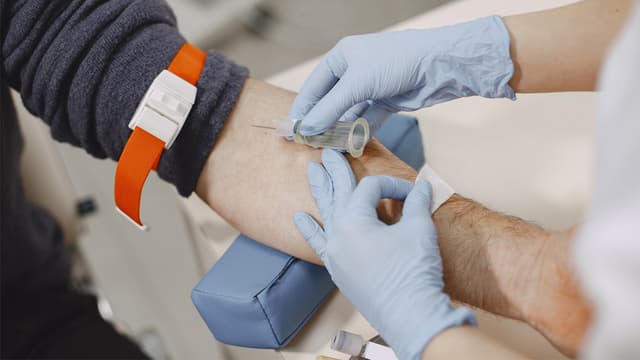
Blood tests can help evaluate kidney function and levels of substances such as calcium or uric acid.
Ultrasound can help identify stones and signs of urinary obstruction without using radiation.
In certain cases, a CT scan provides detailed information about a stone's size and location and whether it is blocking urine flow.
The appropriate test depends on the patient's symptoms and clinical condition.
Kidney stone treatment depends mainly on the stone's size, location, type, symptoms, and whether complications such as infection or obstruction are present.
Small stones may pass naturally. A doctor may recommend adequate fluid intake and medications for pain or to help the stone pass when clinically appropriate.
Larger stones or stones that cannot pass naturally may require a urological procedure.
Depending on the individual case, treatment options can include procedures that break stones into smaller pieces or techniques that allow the urologist to reach and remove the stone.
There is no single treatment that is right for every kidney stone. Imaging and clinical evaluation help the urologist decide which approach is appropriate.
Consider consulting a urologist if you experience persistent or severe kidney stone symptoms, recurrent stones, or problems passing urine.
Seek prompt medical attention if you have:
A stone blocking urine flow together with an infection can become serious and requires timely medical care.
People searching for a urologist or kidney stone treatment near Yeshwanthpur should consider more than distance alone.
Access to diagnostic imaging, laboratory testing, and specialist care can be important because the treatment required cannot always be predicted from symptoms.
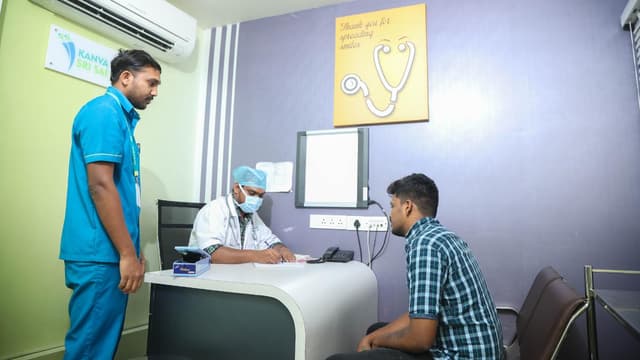
Located in Nandini Layout, Bengaluru, Kanva Sri Sai Hospital provides Urology services for patients from Yeshwanthpur and surrounding areas. The hospital's Urology team evaluates urinary conditions, including kidney stones, and recommends treatment according to the patient's diagnosis and individual needs.
Kanva Sri Sai Hospital can be internally linked here to the relevant Urology or kidney stone service page so readers can learn more about available specialist care.
Some kidney stones can recur, so prevention is an important part of long-term management.
Drinking adequate fluids is commonly recommended because more diluted urine can reduce the concentration of stone-forming substances.
Depending on the type of stone and medical history, a doctor may also recommend changes involving salt, diet, or other factors.
People with recurring stones may require further testing to understand why they continue to form.
Avoid making major dietary changes solely based on online advice because prevention strategies can differ according to the type of kidney stone.
Kidney stones are often treatable, but delaying medical evaluation can increase the risk of complications when a stone causes obstruction or occurs alongside an infection.
If you have recurring side pain, painful urination, blood in your urine or other symptoms associated with kidney stones, getting the cause properly diagnosed is more useful than trying to manage repeated episodes yourself.
For people in and around Yeshwanthpur, consulting the Urology team at Kanva Sri Sai Hospital can help determine the stone's size, location, and appropriate treatment options.
Severe pain in the side or back that may travel toward the lower abdomen or groin is a common kidney stone symptom.
Yes. Some small stones can pass through the urinary tract naturally, but the likelihood depends on their size and location.
A urologist commonly diagnoses and treats kidney stones and other conditions affecting the urinary system.
Urine tests, blood tests, ultrasound, or CT scans may be used depending on the patient's symptoms and medical condition.
Severe pain with fever, chills, inability to urinate, or persistent vomiting requires prompt medical evaluation.
Yes. Kidney stones can recur, particularly when underlying risk factors remain, so prevention and follow-up may be recommended.
Patients around Yeshwanthpur can consider Kanva Sri Sai Hospital in Nandini Layout, Bengaluru, for urology evaluation and kidney stone treatment.