

logo
NABH Logo
Mobile Banner

Psychiatry

Our Psychiatry Department provides compassionate care for individuals facing mental health challenges.

About Psychiatry

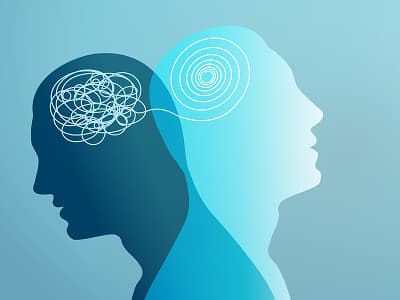
The department manages a wide range of mental health conditions including depression, anxiety, stress-related disorders, and mood disturbances. Each patient undergoes a thorough assessment to understand their needs and develop an individualized treatment plan.

Treatment approaches include psychotherapy, cognitive behavioral therapy, and medication management. Regular follow-up sessions monitor progress and allow adjustments to care. Education is provided to patients and families to promote understanding and effective coping strategies.

Coordination with other specialties such as neurology, general medicine, and counseling services ensures comprehensive care. The department emphasizes early intervention and ongoing support to help patients achieve lasting improvements in mental health.

We focus on creating a supportive and stigma-free environment for patients. Open communication, empathy, and active listening help individuals feel understood and safe. Families are involved when appropriate, so they can provide encouragement and reinforce strategies that support recovery and long-term mental well-being.


Psychiatry

WhyChoose Us

KeyFeatures

Mental Health Management

Mental Health Management

Mental Health Management

Diagnosis and treatment of depression, anxiety, and stress-related conditions.

Therapeutic Support

Therapeutic Support

Therapeutic Support

Psychotherapy and cognitive behavioral therapy tailored to patient needs.

Medication Oversight

Medication Oversight

Medication Oversight

Careful prescription and monitoring of psychiatric medications.

Patient & Family Education

Patient & Family Education

Patient & Family Education

Guidance and counseling to help patients and families understand conditions and treatments.

Collaborative Care

Collaborative Care

Collaborative Care

Coordination with neurology and other clinical departments for integrated support.

Meet OurExperts

Treatment & Equipments

Individual and group therapy sessions

Individual and group therapy sessions

Cognitive behavioral therapy

Cognitive behavioral therapy

Medication prescription and monitoring

Medication prescription and monitoring

Stress management and coping strategies

Stress management and coping strategies

Regular follow-up consultations

Regular follow-up consultations

Collaboration with other specialists for comprehensive care

Collaboration with other specialists for comprehensive care

RelatedServices

General Medicine

General Medicine

General Surgery

General Surgery

Nephrology

Nephrology

Neurology

Neurology

Neurosurgery

Neurosurgery

Obstetrics and Gynaecology

Obstetrics and Gynaecology

Orthopedics

Orthopedics

Paediatrics

Paediatrics

Plastics and Reconstructive Surgery

Plastics and Reconstructive Surgery

Respiratory Medicine

Respiratory Medicine

Urology

Urology

Gastroenterology

Gastroenterology

Diagnostic Services 24*7

Diagnostic Services 24*7

Lab Services 24*7

Lab Services 24*7

Emergency Services

Emergency Services

Pharmacy 24*7

Pharmacy 24*7

Physiotherapy

Physiotherapy

Medical and Surgical Oncology

Medical and Surgical Oncology

ENT (Ear, Nose & Throat)

ENT (Ear, Nose & Throat)

Cardiology (Non-Interventional)

Cardiology (Non-Interventional)

Anaesthesiology

Anaesthesiology

Psychiatry

Psychiatry

Dermatology

Dermatology

Rheumatology

Rheumatology

Ophthalmology

Ophthalmology

Dental and Maxillofacial Surgery

Dental and Maxillofacial Surgery

FrequentlyAsked Questions

  • What conditions are treated in Psychiatry?

    +
    We manage depression, anxiety, stress-related disorders, and mood disturbances. Care is tailored to each patient's specific needs.
  • Are therapy sessions provided?

    +
    Yes. Individual and group therapy sessions, including cognitive behavioral therapy, are offered. Treatment is personalized and adapted to progress.
  • Is family support included?

    +
    Yes. Families are educated and involved in the care process. Support helps create a nurturing environment for recovery.
  • How is progress monitored?

    +

    Regular follow-ups track symptoms and treatment effectiveness. Adjustments are made as needed to ensure continuous improvement.