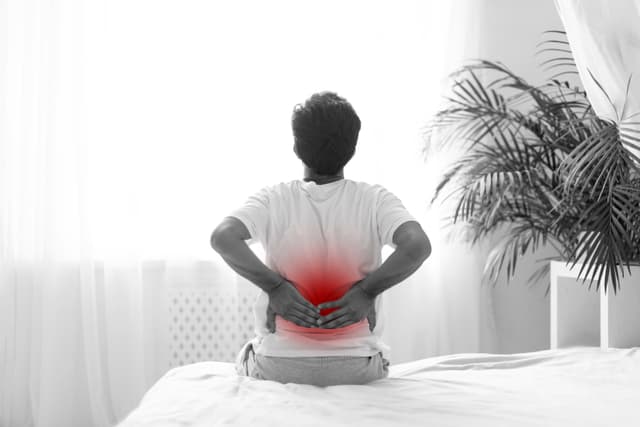


Back pain from sitting long hours is common among office workers, students, drivers, and people who spend most of the day in front of a laptop or desk. In many cases, it may happen due to poor posture, weak muscles, lack of movement, or pressure on the spine.
But back pain should not always be ignored. If the pain is severe, keeps coming back, spreads to the leg, causes numbness, or affects daily activities, it may need medical attention.
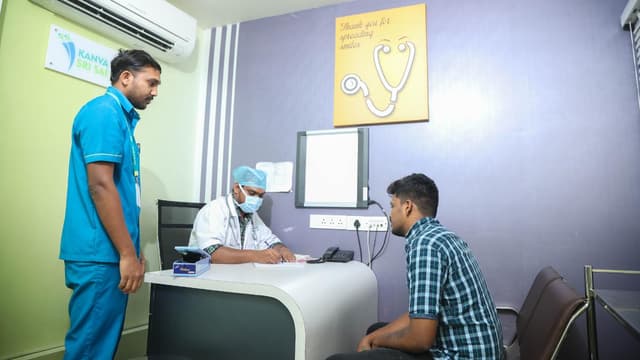
At Kanva Sri Sai Hospital, patients with back pain, stiffness, posture-related pain, leg pain, numbness, or movement difficulty can consult the Orthopaedics Department for timely evaluation and treatment guidance.
Sitting may look harmless, but sitting for long hours puts continuous pressure on the lower back. When you sit in the same position for too long, the back muscles become tight, the spine gets stressed, and blood flow to the muscles may reduce.
Poor sitting posture can make this worse. Bending forward, using a low chair, working on a laptop without support, or sitting without back support can increase strain on the neck, shoulders, and lower back.
Over time, this can lead to stiffness, muscle pain, disc-related pressure, and posture imbalance.
Back pain from sitting long hours may happen due to different reasons.
| Cause | How It Affects the Back |
|---|---|
| Poor posture | Increases strain on spine and muscles |
| Weak core muscles | Reduces support for the lower back |
| Long screen time | Causes forward bending and stiffness |
| Lack of movement | Tightens back, hip, and leg muscles |
| Wrong chair height | Puts pressure on lower back and hips |
| Slipped disc or nerve pressure | May cause pain spreading to the leg |
Not every back pain is serious. But if pain is frequent or worsening, it should be checked.
Mild back pain may improve with rest, posture correction, and movement. But some symptoms may indicate a deeper problem.
You should not ignore back pain if you have:
These symptoms may suggest muscle strain, nerve compression, disc-related issues, or spine problems that need proper diagnosis.
You should worry about back pain when it affects your normal routine or comes with warning signs.
Visit a doctor if:
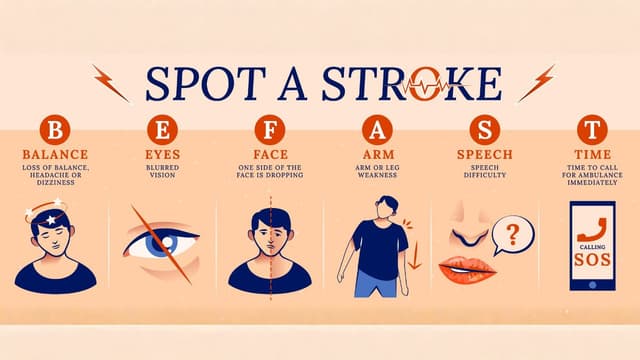
Back pain with bladder or bowel problems, leg weakness, or numbness around the groin area needs urgent medical attention.
Back pain may stay in the lower back. Sciatica usually happens when pain travels from the lower back to the buttock, thigh, leg, or foot.
Sciatica may feel like:
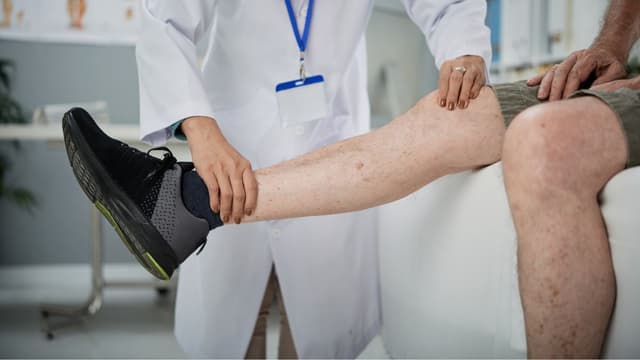
If sitting for long hours causes pain that travels down the leg, it may be related to nerve compression. In such cases, an orthopaedic doctor may evaluate the spine and suggest treatment.
Bad posture is one of the biggest reasons for back pain in desk workers. When you bend forward for long hours, the spine moves out of its natural alignment. This increases pressure on the lower back and neck.
Common posture mistakes include:
Correcting posture early can reduce strain and prevent long-term back problems.
Small changes in your daily routine can help reduce back pain.
Follow these tips:
These steps may help mild posture-related pain. But if symptoms continue, medical evaluation is important.
Gentle exercises may help improve flexibility and reduce stiffness. However, exercises should be done carefully, especially if pain is severe or spreading to the leg.
Commonly recommended movements may include:
Avoid heavy lifting, sudden twisting, or intense workouts when back pain is severe. A physiotherapist can guide safe exercises based on the cause of pain.
Not every back pain needs an MRI or X-ray. The doctor will first check symptoms, posture, movement, nerve signs, and medical history.
Depending on the condition, tests may include:
| Test | Purpose |
|---|---|
| Physical Examination | Checks movement, pain area, and posture |
| X-ray | Checks bone alignment or injury |
| MRI Spine | Helps detect disc or nerve-related problems |
| Blood Tests | May be advised if infection or inflammation is suspected |
| Nerve Evaluation | Checks numbness, weakness, or radiating pain |
The right test depends on symptoms. Self-requesting scans without doctor advice may not always be useful.
Treatment depends on the cause and severity of pain.
Mild back pain may improve with:
For nerve-related pain or disc problems, the doctor may suggest a more specific treatment plan. Surgery is not needed for most back pain cases. Many patients improve with conservative treatment, physiotherapy, and regular follow-up.
Back pain from sitting long hours is common in:
If your job needs long sitting hours, prevention is important. Do not wait until pain becomes severe.
You should visit Kanva Sri Sai Hospital if your back pain is frequent, severe, or affecting daily life.
Consult the Orthopaedics Department if you have:
Kanva Sri Sai Hospital also provides support through Physiotherapy, Neurology, Diagnostics, and other speciality departments when needed.
Yes. Sitting for long hours can strain the lower back, tighten muscles, weaken core support, and increase pressure on the spine, especially when posture is poor.
You should see a doctor if back pain is severe, lasts for many days, keeps coming back, spreads to the leg, or causes numbness, tingling, or weakness.
Not always. It may be simple muscle strain or posture-related pain. But if pain travels down the leg or causes numbness, a disc or nerve issue may be possible.
Yes. Physiotherapy can help improve posture, strengthen muscles, reduce stiffness, and prevent repeated back pain when done under proper guidance.
You can consult the Orthopaedics Department. If there are nerve symptoms like numbness, tingling, or leg weakness, Neurology support may also be needed.
Back pain from sitting for long hours is common, but it should not be ignored when it becomes frequent, severe, or starts spreading to the leg. Poor posture, weak muscles, long screen time, and lack of movement can all contribute to back pain.
Early diagnosis and proper treatment can prevent the pain from becoming a long-term problem.
If you have back pain, stiffness, leg pain, numbness, or difficulty walking, visit Kanva Sri Sai Hospital for timely evaluation and care.