


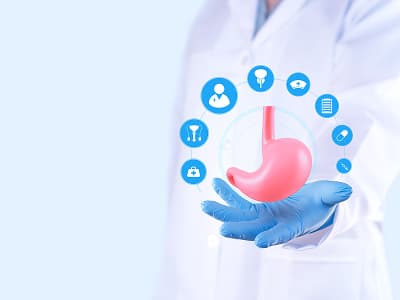
Digestive health plays a vital role in overall well-being. The Department of Gastroenterology provides advanced diagnosis and treatment for stomach, liver, pancreatic, and intestinal disorders.
The department manages a wide range of gastrointestinal concerns. These include conditions affecting the liver, pancreas, gallbladder, and the digestive tract. Each patient undergoes thorough evaluations to help doctors understand the underlying issues and create targeted treatment plans.
Endoscopic procedures are used both for diagnosis and therapy. Specialists handle complex cases, including gastrointestinal bleeding, hepatitis, cirrhosis, and inflammatory bowel disease. Patients are supported throughout the process, with clear guidance on procedures and recovery expectations.
Chronic conditions are monitored closely. Regular check-ups and laboratory tests allow the team to adjust medications and therapies as needed. Patients are counseled on nutrition, lifestyle choices, and habits that support digestion and overall gastrointestinal health.
Preventive screening is an important part of care. Early detection of issues helps reduce the risk of serious complications. Patients are educated about warning signs and encouraged to take proactive steps for long-term digestive wellness.
Collaboration with other specialties strengthens patient care. The gastroenterology team works alongside hepatology, surgery, radiology, and critical care units when needed. This integrated approach ensures that patients receive comprehensive and coordinated treatment.
Education and ongoing support are central to the department's approach. Patients and families are guided on managing chronic conditions, understanding medications, and maintaining healthy routines. The goal is to restore comfort, protect digestive health, and improve quality of life.
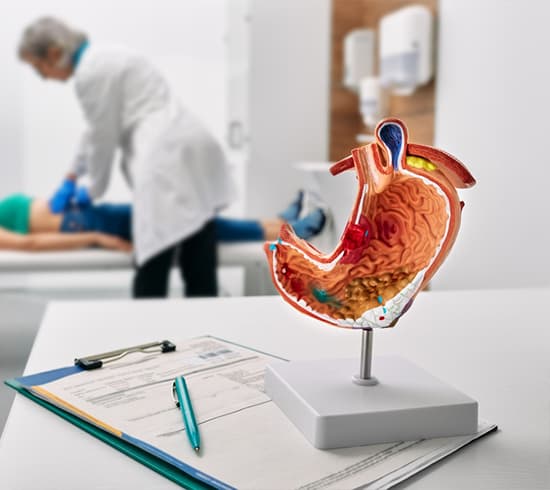

Advanced procedures for both diagnosis and treatment of gastrointestinal conditions.

Comprehensive care for hepatitis, cirrhosis, and other liver disorders.

Specialized evaluation and treatment for pancreatic and gallbladder conditions.

Management and monitoring of irritable bowel syndrome and inflammatory bowel disease.

Immediate attention for gastrointestinal bleeding and related urgent conditions.
Services such as ERCP and other complex endoscopic interventions for optimal outcomes.
















What conditions does a gastroenterologist treat?
+What is an endoscopy and why is it done?
+How is liver disease treated in this department?
+When should I seek emergency care for stomach issues?
+