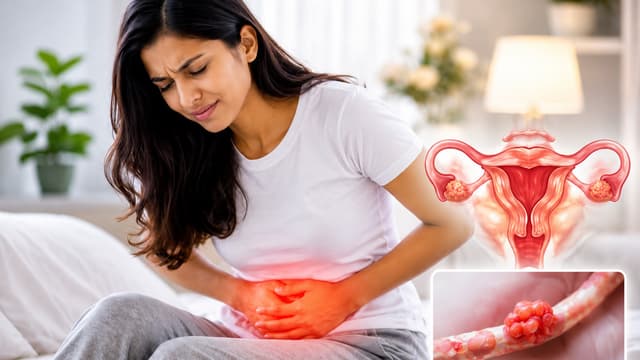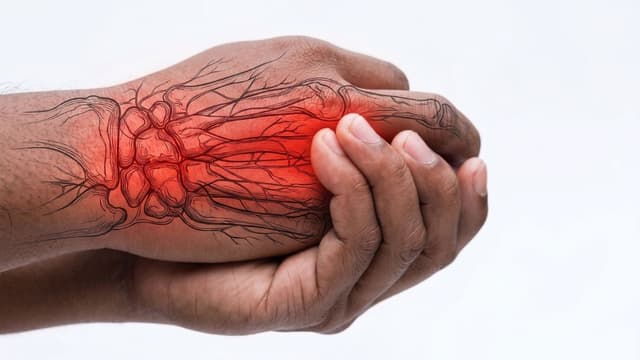

Endometriosis occurs when tissue similar to the lining of the uterus grows outside the uterus, affecting organs such as the ovaries, fallopian tubes, and pelvic lining. In the early stages, symptoms may be mild, but as the condition progresses, women may experience severe pelvic pain, painful periods, heavy bleeding, and discomfort during daily activities. These symptoms often interfere with normal life and may indicate the need for medical intervention.
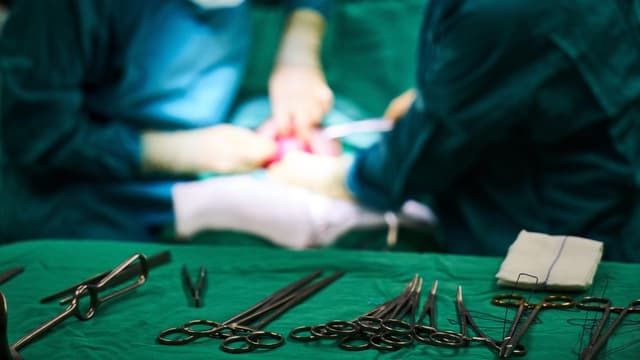
When endometriosis becomes more severe, doctors may recommend laparoscopic surgery as an effective treatment option. This surgical approach helps remove abnormal tissue growth and reduce inflammation, improving overall reproductive health.
For many women, medications and hormonal therapy are initially used to manage symptoms. However, when these treatments fail to control pain or when fertility becomes a concern, doctors may consider laparoscopy for endometriosis treatment.
Surgery is typically recommended when symptoms significantly affect daily life or when imaging tests show extensive endometrial tissue growth. In such cases, endometriosis surgical treatment provides a more comprehensive solution for long-term symptom relief.
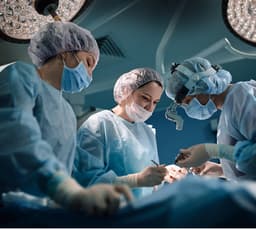
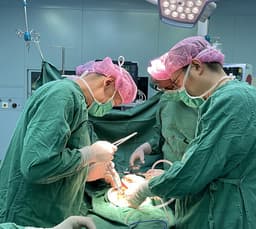
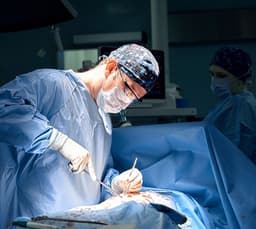
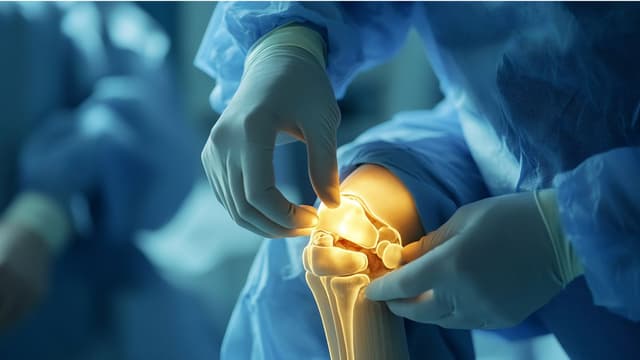
Laparoscopic surgery is considered a modern form of minimally invasive gynecological surgery. The procedure involves making small incisions in the abdomen and inserting a thin instrument called a laparoscope. This device has a camera that allows doctors to view internal organs clearly and identify areas affected by endometriosis.
Because the incisions are small, minimally invasive endometriosis surgery causes less damage to surrounding tissues compared to traditional surgical methods.
One major advantage of laparoscopy for endometriosis treatment is that it allows surgeons to perform precise procedures with minimal disruption to surrounding tissues. Patients often experience reduced pain, smaller scars, and faster recovery times.
Compared to open surgery, laparoscopic procedures also lower the risk of complications and allow patients to return to daily activities sooner. These benefits make it a preferred option for treating endometriosis.
Doctors often begin the procedure with diagnostic laparoscopy, which helps confirm the presence and severity of endometriosis. Many women ask what laparoscopic surgery for endometriosis is, and the answer lies in this diagnostic process, where doctors visually examine the pelvic organs.
This step helps doctors accurately identify abnormal tissue growth and determine the best treatment approach for each patient.
Once endometriosis is confirmed, surgeons carefully remove lesions, scar tissue, and abnormal growths affecting reproductive organs. This process helps restore normal pelvic anatomy and reduce inflammation.
The goal of endometriosis surgical treatment is not only to relieve pain but also to improve reproductive health. Many patients experience significant symptom relief after the removal of endometrial tissue.
One of the main benefits of endometriosis laparoscopic surgery is relief from chronic pelvic pain. Women suffering from severe menstrual cramps or persistent discomfort often notice significant improvement after surgery.
Reducing inflammation and removing abnormal tissue helps restore normal pelvic function and improve daily comfort.
Endometriosis can sometimes affect fertility by damaging reproductive organs or blocking fallopian tubes. Surgical treatment can remove these barriers and improve the chances of conception.
Many women considering pregnancy ask whether laparoscopy for endometriosis treatment improves fertility. In many cases, removing endometrial tissue can enhance the chances of natural conception or improve fertility treatment outcomes.
Recovery after minimally invasive endometriosis surgery is generally quicker than traditional surgery. Most patients can return home on the same day or within 24 hours of the procedure.
Doctors closely monitor patients after surgery to ensure there are no complications and that the healing process begins smoothly.
The typical endometriosis surgery recovery time varies depending on the severity of the condition and the patient's overall health. Most women can resume light daily activities within one to two weeks.
During this period, the body gradually heals as tissues repair and inflammation decreases. Proper rest and medical guidance play a crucial role in recovery.
After surgery, doctors may prescribe medications to manage pain and prevent infection. Following medical advice carefully is important for safe recovery.
Patients should also monitor their symptoms and attend follow-up appointments to ensure that healing is progressing normally. At healthcare centers such as Kanva Sri Sai, specialists guide patients through recovery and provide personalized care to support long-term reproductive health.
During recovery, doctors usually recommend light physical activity and a balanced diet to support healing. Nutritious foods rich in vitamins and minerals can help strengthen the immune system and promote tissue repair.
Gradually returning to regular activities while maintaining a healthy lifestyle helps ensure a smoother recovery after surgery.
Although surgery can remove existing endometrial tissue, there is a possibility that the condition may return. Doctors often recommend hormonal therapy or lifestyle adjustments to reduce the risk of recurrence.
Regular medical monitoring helps identify symptoms early and ensures that women receive appropriate treatment if necessary.
After surgery, many women consider fertility planning and reproductive health monitoring. Follow-up visits allow doctors to track recovery and discuss pregnancy planning if desired.
By combining surgical treatment with ongoing medical care, women can improve their chances of maintaining long-term reproductive health and well-being.
Laparoscopic surgery is a minimally invasive procedure used to diagnose and remove endometrial tissue growing outside the uterus.
Surgery is recommended when severe pain, fertility issues, or advanced endometriosis do not improve with medication.
The procedure offers smaller incisions, less pain, quicker recovery, and improved pelvic health.
Most patients recover within one to two weeks, with full healing occurring over several weeks.
Yes, removing endometrial tissue may improve fertility by restoring normal reproductive anatomy.
Yes, it is less invasive, causes minimal tissue damage, and reduces the risk of complications.